


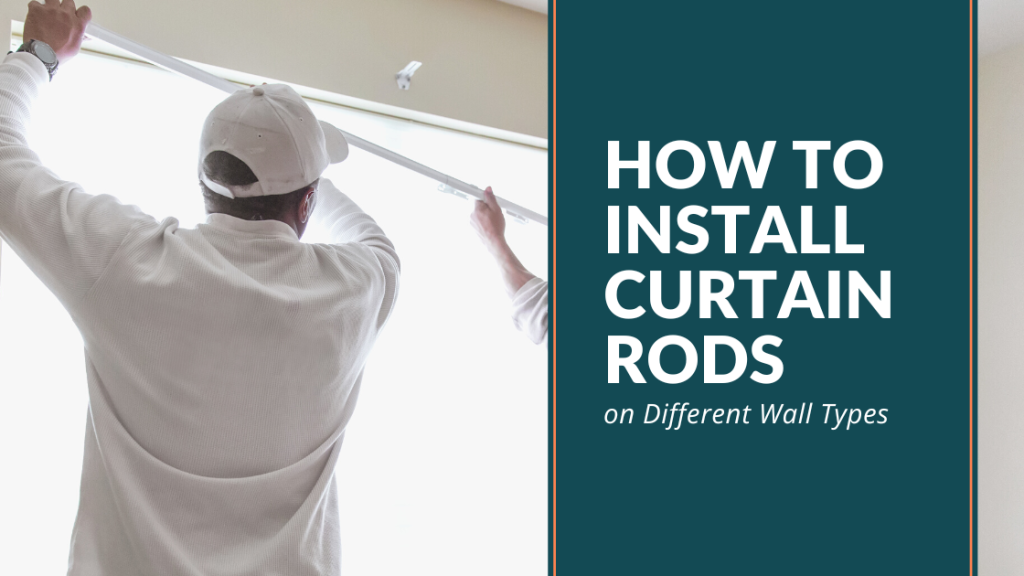

Hanging curtains seems simple until you realize that not all walls are created equal. Drywall, plaster, concrete, and brick each have their own quirks, and knowing how to attach curtain rods correctly makes the difference between a secure setup and a sagging rod. Learning how to install curtain rods properly ensures your curtains look great and stay in place for years.
Whether you are upgrading your bedroom, living room, or home office, the process can be smooth if you plan ahead and use the right tools. Understanding wall types and mounting methods saves time, prevents damage, and keeps your curtains hanging perfectly.
Tools and Materials You Will Need
Before starting, gather the necessary tools and materials. A drill, appropriate bits, a screwdriver, a level, tape measure, anchors, and the curtain rod hardware itself are essential. The type of wall you have will dictate the type of anchors and screws you use.
Knowing how to put up curtain rods safely begins with preparation. Having all your tools on hand reduces frustration and ensures a smooth installation process.
Drywall: The Most Common Wall Type
Drywall is the most common wall material in homes, but it is not always strong enough to hold heavy curtain rods by itself. To install a curtain rod on drywall, use anchors that expand inside the wall for extra support. Plastic anchors work for lightweight rods, while metal or toggle bolts are better for heavier setups. Mark the desired height and width for your rod, drill pilot holes, insert anchors, and attach the brackets securely. Double-check with a level to ensure your rod will hang straight.
Plaster Walls
Plaster walls are thicker and more brittle than drywall, so you need to be careful when drilling. A masonry bit works best for pilot holes, and anchors designed for plaster provide extra grip. Avoid drilling too close to the edges, which can cause cracks. Once the anchors are secure, attach the brackets and double-check alignment. Plaster requires patience, but the effort ensures your rod will hold strong.
Concrete and Brick Walls
Concrete and brick are sturdy but require special preparation. Use a hammer drill with masonry bits to create pilot holes. Concrete or brick anchors are essential to hold screws securely. Mark the desired placement, drill carefully, insert anchors, and screw in the brackets. These walls are strong, so once your rod is in place, it is unlikely to shift. Just be sure to use the right drill bit and anchors to avoid cracking the surface.
Adjusting for Rod Weight and Curtain Type
The weight of your curtains affects installation. Heavy curtains or layered drapes need sturdier rods and brackets. In some cases, extra brackets in the middle may prevent sagging. Lightweight sheers are easier to handle and require fewer supports. Planning ahead helps you avoid common problems like bending rods or brackets pulling away from the wall. Proper support is key to a neat and lasting installation.
Measuring and Marking
Accurate measurements ensure symmetry and functionality. Measure from the floor to the desired rod height, usually a few inches above the window frame. Mark the spots for brackets on both sides of the window, using a level to keep everything straight. Taking the time to measure carefully before drilling helps avoid mistakes and uneven rods. How to attach curtain rods properly starts with precise marks and careful leveling.
Installing the Brackets
Once your pilot holes and anchors are ready, attach the brackets to the wall using screws. Tighten securely, but do not over-tighten, which can damage the wall or anchor. Check alignment again before placing the rod. Proper bracket installation ensures the rod holds weight evenly and prevents sagging over time. This step is critical for long-lasting results.
Placing the Rod
Slide the curtains onto the rod before placing it in the brackets if your rod design requires it. Lift the rod carefully and rest it on the brackets. Double-check that the rod is level and adjust as needed. Some rods have decorative finials or caps. Make sure these are secure to prevent the rod from sliding out of place.
Final Tips for a Smooth Installation
Always wear safety glasses when drilling into walls. Take extra care with brittle surfaces like plaster. If your curtains are heavy, consider adding a center support bracket. Double-check all measurements and levels at every step. Patience pays off, and small adjustments during installation prevent problems later.
Conclusion
Learning how to put up curtain rods properly on different wall types makes your home look polished and prevents unnecessary damage. Drywall, plaster, concrete, and brick all require slightly different approaches, but the key is preparation, proper anchors, and accurate measurements. Once installed correctly, your curtains will hang beautifully, your rods will stay secure, and your windows will have a professional, finished look. Knowing how to attach curtain rods gives you confidence to tackle any window in your home with ease.
