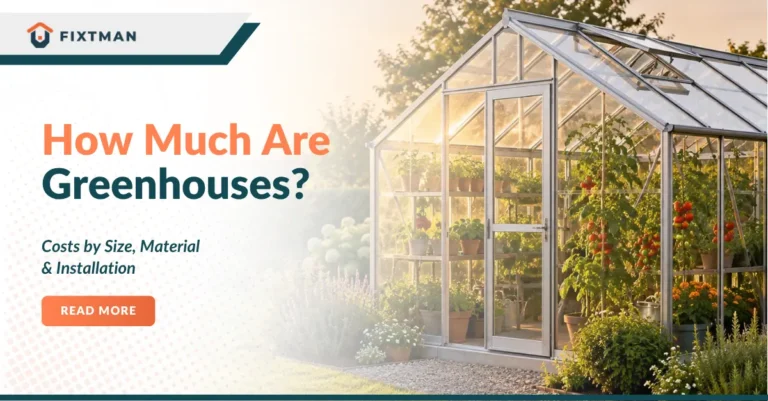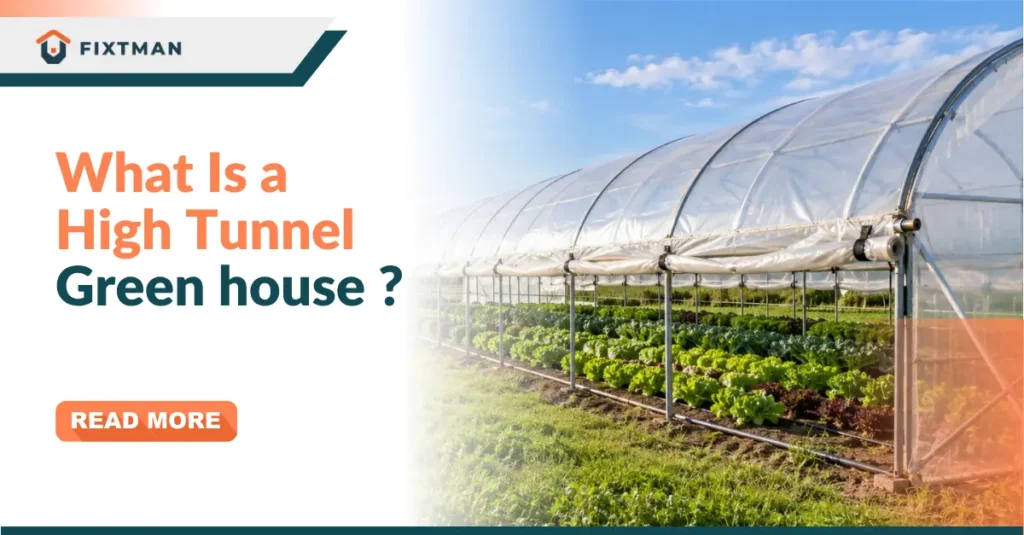

If you’re wondering what is a high tunnel greenhouse, it’s a simple, unheated growing structure that extends the growing season while protecting plants from weather. High tunnels are usually made with a metal frame covered by greenhouse plastic and can be used for vegetables, flowers, herbs, and other crops.
What Is a High Tunnel Greenhouse?
A high tunnel greenhouse is a large, covered growing structure designed to protect plants from wind, rain, frost, and temperature fluctuations. Unlike a traditional greenhouse, a high tunnel typically does not use permanent heating or cooling systems.
- Most high tunnels have a series of metal hoops or arches covered with polyethylene plastic. The ends and sides can often be opened or rolled up to improve ventilation and regulate temperature.
- High tunnels are commonly installed directly over soil, allowing growers to plant crops in the ground or use raised beds. They are particularly useful for extending the growing season, protecting sensitive plants, and improving growing conditions.
High Tunnel vs. Traditional Greenhouse: What’s the Difference?
High tunnels and traditional greenhouses may look similar, but they are designed for different purposes.
| Feature | High Tunnel | Traditional Greenhouse |
| Main purpose | Extend growing season and protect crops | Provide controlled growing conditions |
| Heating | Usually none | May include heating |
| Cooling | Natural ventilation | Mechanical or natural systems |
| Structure | Usually simpler | Often more permanent |
| Covering | Usually polyethylene film | Glass, polycarbonate, or specialized panels |
| Growing method | Often directly in the soil | Soil, benches, containers, or hydroponics |
| Cost | Generally lower | Generally higher |
| Climate control | Limited | Greater control |
Types of High Tunnel Greenhouses
High tunnels come in several designs, and the best option depends on your available space, climate, crops, and budget.
Gothic Arch High Tunnels
Gothic arch tunnels have a peaked roof that helps snow and rain slide off more easily. Their shape also provides good interior height and usable growing space.
Quonset-Style High Tunnels
Quonset tunnels use curved hoops to create a rounded roof. They are relatively simple to construct and are commonly used for vegetable and flower production.
Multi-Bay High Tunnels
Multi-bay systems connect several tunnel sections together. They are useful when you need a larger growing area but want the structure to function as one connected space.
Caterpillar or Low-Cost Tunnels
These smaller structures use flexible hoops and plastic covering to create a basic protected growing environment. They can be suitable for smaller gardens and seasonal use.
Benefits of a High Tunnel Greenhouse
A high tunnel can provide several advantages without the expense and complexity of a fully climate-controlled greenhouse.
Extends Your Growing Season
High tunnels allow you to start crops earlier in spring and continue growing later into fall. The covered environment can help protect plants from cold temperatures and early frost.
Protect Plants From Weather
The plastic covering provides a barrier against rain, wind, hail, and some temperature fluctuations. This can reduce weather-related crop damage.
Improve Growing Conditions
By controlling exposure to precipitation and wind, a high tunnel can create a more consistent environment for plants. Growers can also manage irrigation and soil conditions more easily.
Increase Growing Options
A longer growing season gives you more opportunities to grow vegetables, flowers, herbs, and other crops that may struggle in your area’s normal outdoor growing season.
Lower Construction Costs
High tunnels generally require fewer systems than traditional greenhouses. Their simpler construction and lack of permanent climate-control equipment can make them a more budget-friendly option.
How to Choose the Right High Tunnel for Your Property
Choosing the right high tunnel starts with looking at your property, growing goals, and local conditions.
Measure Your Available Space
Determine how much level, usable space you have before choosing a tunnel size. Leave enough room around the structure for access, maintenance, ventilation, and drainage.
Consider Your Local Weather
Snow, strong winds, heavy rain, and extreme temperatures can affect which tunnel design is appropriate. A stronger frame and suitable anchoring may be necessary in areas with severe weather.
Choose the Right Size
Think about how much you plan to grow now and whether your needs may increase later. A tunnel that is too small can quickly become crowded, while an unnecessarily large structure can increase installation and maintenance costs.
Check the Covering Material
Most high tunnels use greenhouse-grade polyethylene film. The thickness, durability, UV resistance, and expected lifespan of the covering should be considered before installation.
Plan Ventilation
High tunnels can become very hot when exposed to direct sunlight. Roll-up sides, end-wall vents, doors, or other ventilation features can help regulate airflow and temperature.
Consider the Foundation and Anchoring
The tunnel needs to be securely anchored to the ground. The appropriate anchoring method depends on the soil, structure, local weather, and tunnel design.
Conclusion
A high tunnel can be a practical way to extend your growing season and protect plants without the cost and complexity of a traditional greenhouse. However, proper installation matters. An incorrectly assembled frame, poorly secured covering, or inadequate anchoring can reduce the structure’s durability and performance. Fixtman can help with the hands-on installation work, including assembling the structure, securing components, and making sure the tunnel is properly set up for use. Professional installation can save time and help you avoid common assembly mistakes.
Frequently Asked Questions
Is a high tunnel the same as a greenhouse?
Not exactly. Both structures protect plants and create a more favorable growing environment, but high tunnels are generally simpler, naturally ventilated, and usually do not have permanent heating or cooling systems. Traditional greenhouses are typically designed for greater environmental control.
How long does a high tunnel greenhouse last?
The frame of a well-maintained high tunnel can last for many years, while the plastic covering usually needs replacement sooner. The actual lifespan depends on the quality of materials, weather exposure, installation, and maintenance.
Can you grow year-round in a high tunnel?
In some climates, high tunnels can support nearly year-round growing. However, they do not provide the same temperature control as a heated greenhouse, so winter growing depends heavily on your local climate and the crops you choose.
How much does it cost to build a high tunnel?
The cost depends on the tunnel’s size, frame material, covering, anchoring system, site preparation, and installation. Small DIY structures can cost a few hundred dollars, while larger professionally installed high tunnels can cost several thousand dollars.
Do I need a permit to build a high tunnel on my property?
Permit requirements vary by location and may depend on the structure’s size, permanence, foundation, and intended use. Check with your local building or zoning department before construction.
What size high tunnel do I need for my space?
Choose a size based on your available space, the crops you plan to grow, and how much room you need for pathways and maintenance. A smaller tunnel may be sufficient for a home garden, while larger growing operations may benefit from a wider or multi-bay design.
Can Fixtman repair an existing high tunnel or greenhouse?
Yes. Fixtman can help with certain high tunnel and greenhouse repair and maintenance needs, such as replacing damaged components, repairing structural elements, or addressing installation-related issues. The exact service depends on the structure and the type of repair required.