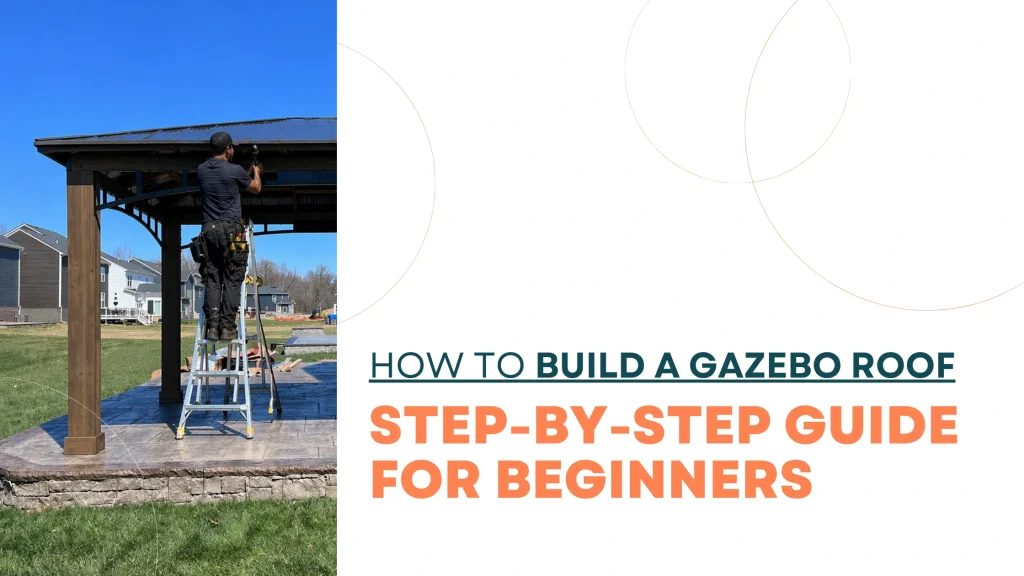

Learning how to build a gazebo roof involves selecting the right roof design, choosing durable materials, and following proper construction steps. From planning size and pitch to installing rafters, sheathing, and roofing materials, each step ensures strength and weather protection. A well-built gazebo roof improves durability, ventilation, and overall outdoor functionality.
Read Also: What Are Gazebos and How Are They Used?
Types of Gazebo Roof Designs
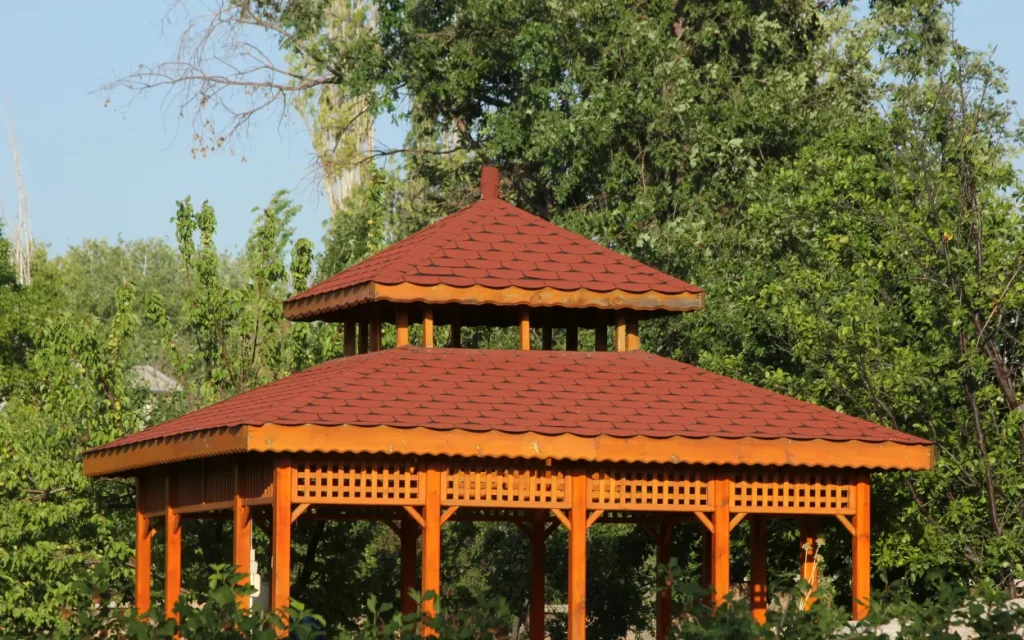
Before starting construction, it is important to choose the right gazebo roof design.Each roof type has its own properties, which are as follows:
Single-Tier Gazebo Roof
A single-tier roof is the simplest design. It consists of one layer of roofing that sits directly on the frame. This design is commonly used for small gazebos because it is easier to build and requires fewer materials. However, it may not provide as much ventilation or heat dissipation as more advanced designs. Single-tier roofs are ideal for beginners who want a simple, cost-effective solution.
Double-Tier Gazebo Roof
A double-tier roof includes two layers with a small gap between them. This gap allows air to circulate, which improves ventilation and reduces heat buildup inside the gazebo. Many outdoor structure guides recommend double-tier roofs for warmer climates because they improve airflow significantly. Although slightly more complex to build, this design is more durable and visually appealing.
Hip Roof
A hip roof slopes down on all four sides, while a pyramid roof meets at a single central point. Hip roofs are more stable in strong winds because they distribute pressure evenly across all sides.
Pyramid Roof
Pyramid roofs, on the other hand, are easier to construct and are commonly used for square-shaped gazebos.
Hardtop Roof
Hardtop roofs are made from materials like metal, wood, or polycarbonate panels. They are permanent, durable, and weather-resistant. Hardtop roofs are preferred for long-term installations,
Softtop Roof
Softtop roofs use fabric or polyester materials. They are easier to install and replace but require more maintenance over time. Softtop roofs are better for temporary or seasonal use.
READ ALSO: Complete Gazebo Maintenance Guide for Long-Lasting Outdoor Structures
READ ALSO: Creative Gazebo Layout Ideas: Designing Your Outdoor Space Post-Assembly
Planning Before You Build a Gazebo Roof
Proper planning is essential before starting construction. It ensures accuracy, safety, and long-term durability.
Choosing the Right Materials
Material selection directly affects durability and performance. Common materials include wood, metal, and polycarbonate.
- Wood provides a natural look and is easy to customize. It is often used in traditional garden gazebos.
- Metal is extremely strong and ideal for long-term durability. It resists weather damage better than most materials.
- Polycarbonate is lightweight and allows light to pass through while still offering UV protection.
READ ALSO: How Much Does It Cost to Build a Gazebo in 2026?
READ ALSO: Complete Gazebo Tools Checklist for Every Installation Project
Determining Roof Size and Pitch
Determining gazebo roof size and pitch involves measuring the horizontal span (run) and vertical rise to calculate a ratio (e.g., 4/12 or 6/12) for proper drainage and aesthetics. Use a 12-inch level and tape measure to determine the rise over a 12-inch horizontal run. Common pitches are 4/12 or higher for shingles.
How to Calculate Gazebo Roof Pitch
- Identify Run and Rise: The “run” is the horizontal distance from the outer wall to the center peak (for a gable) or the center point (for a hip roof). The “rise” is the vertical height of the peak above the wall line.
- Calculate Pitch (Rise over Run): Pitch is defined as the vertical rise (in inches) divided by the horizontal run (in feet), typically expressed as X/12. For example, if your roof rises 6 inches over a 12-inch (1-foot) run, it is a 6/12 pitch.
- Using a Speed Square: Place a speed square on the rafter with the pivot point against the beam. Rotate it until the level indicates 0. The number on the square aligned with the edge indicates the pitch (e.g., a “3” indicates 3/12).
Determining the Roof Size
- Footprint: The roof size must be larger than the base footprint to allow for overhangs, which protect the structure from water. Common gazebo base sizes include 8’x8′, 10’x10′, and 12’x12′.
- Overhangs: Add 6 to 12 inches to each side of your base dimensions for the overhang to calculate the total roof coverage.
- Rafter Length: Once you have the rise and run, use the Pythagorean theorem to calculate the rafter length, where a is the rise, b is the run, and c is the rafter length.
Weather and Location Considerations
Your location plays a major role in roof design.
In windy areas, stronger materials and steeper roof designs are recommended. In rainy regions, proper drainage is essential. In hot climates, ventilation becomes more important to reduce heat buildup. Outdoor structure experts consistently emphasize that environmental conditions should guide design choices more than appearance alone.
READ ALSO: Garden Installation Services – How to Choose the Right Provider
How to Build a Gazebo Roof
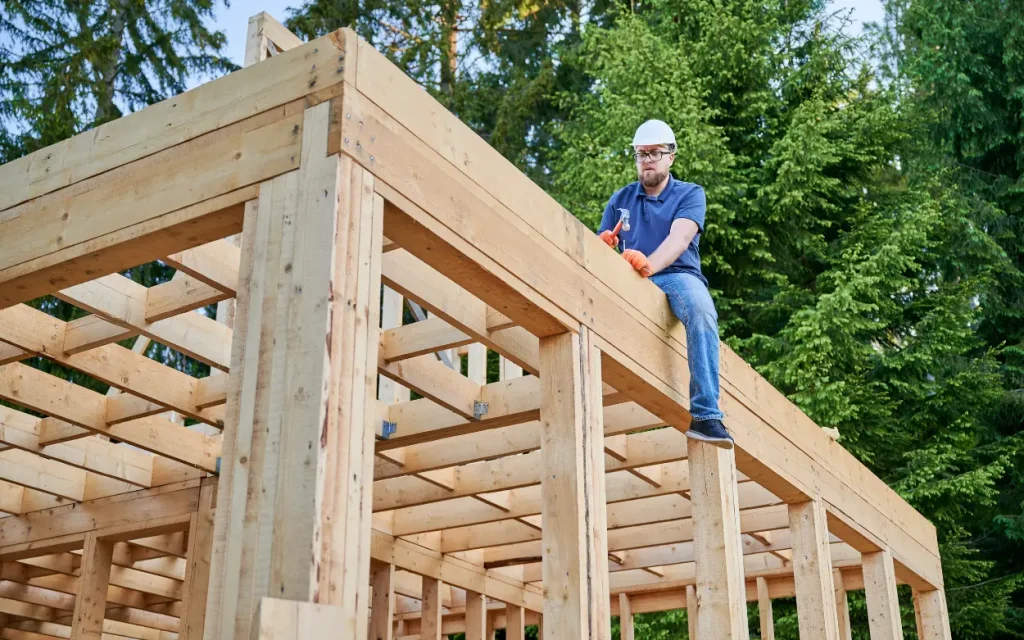
This is the main construction process. Follow each step carefully to ensure a strong and stable roof.
Build the Base Frame
Start by constructing the base frame that connects to the gazebo posts. This frame supports the entire roof structure, so it must be level and secure. Use a measuring tool to ensure accuracy before moving forward. A strong base frame ensures proper weight distribution and prevents future structural issues.
Install the Roof Foundation Ring
The roof ring connects all rafters and forms the circular or square top structure. Secure it tightly to ensure stability. This ring acts as the central support system for the entire roof. If the ring is misaligned, the entire roof structure may become uneven.
Cut and Install Rafters
Rafters are the sloped beams that form the roof shape. Measure and cut each rafter carefully to match your design. Attach them evenly around the roof ring. Proper spacing is important because uneven rafters can affect both stability and appearance.
Add Blocking and Support
Blocking pieces are installed between rafters to add strength and reduce movement. These supports help distribute weight evenly and improve resistance against wind pressure. This step is especially important for larger gazebos or areas with strong weather conditions.
Attach Roof Sheathing
Roof sheathing is the base layer that supports roofing material. Common materials include plywood or metal sheets, depending on your design. Make sure the sheathing is securely attached and fully aligned before moving to the next step.
Install Roofing Material
This is the protective outer layer of your gazebo roof. Options include:
- Asphalt shingles
- Metal sheets
- Polycarbonate panels
Each material has different benefits. Metal is highly durable, shingles provide a traditional look, and polycarbonate allows light to pass through. Ensure all materials are sealed properly to prevent leaks.
READ ALSO: Gazebo Metal Roof Replacement Tips for Longevity and Safety
READ ALSO: How to Put Up and Take Down Gazebos the Right Way
Add Fascia Boards and Trim
Fascia boards are installed along the edges of the roof for protection and finishing. They help cover exposed edges and improve the overall appearance of the gazebo. Trim work also protects the structure from moisture damage and adds a polished final look.
READ ALSO: Guide to Gazebo Hard Roof Replacement
READ ALSO: Modern Gazebo Plans: Sleek Designs for Contemporary Backyards
Maintenance Tips for Long-Lasting Gazebo Roofs
Proper maintenance extends the lifespan of your gazebo roof and keeps it in good condition.
Regular Inspections
Inspect your roof every few months for loose screws, cracks, or damage. Early detection prevents small issues from becoming major repairs.
Cleaning and Sealing
Clean the roof surface regularly to remove dirt and debris. For wooden roofs, apply sealant to protect against moisture and insects. For metal roofs, check for rust and treat it immediately.
Repairing Damage
Fix any damaged sections as soon as possible. Delaying repairs can lead to water leaks and structural weakening.
Read More: Tips for Maintaining and Repairing Gazebo Roof Parts
Professional Help for Gazebo Roof Installation
While learning how to build a gazebo roof is useful, proper installation often requires skill and accuracy for durability and safety. Each step, from framing to roofing, must be done correctly to ensure long-lasting results. For a reliable and hassle-free solution, Fixtman offers professional gazebo roof installation services, ensuring quality workmanship and efficient project completion.
Read More: Questions to Ask Before Hiring a Gazebo Assembly Service
Conclusion
Learning how to build a gazebo roof involves careful planning, proper material selection, and step-by-step construction. From choosing the right design to installing rafters, sheathing, and roofing materials, each stage plays an important role in creating a strong, durable structure.
A well-built gazebo roof not only improves outdoor aesthetics but also provides long-term protection from sun, rain, and wind. With proper maintenance, it can last for many years and remain a valuable part of your outdoor space.
Frequently Asked Questions
What is the best material for a gazebo roof?
Metal is the most durable option, while shingles and polycarbonate are also widely used depending on design and budget.
Can I build a gazebo roof by myself?
Yes, but larger roofs usually require at least two people for safety and accuracy during installation.
How long does it take to build a gazebo roof?
On average, it can take 1 to 2 days, depending on size, materials, and experience level.