
Key Takeaways
- Setting up the frame first ensures the gazebo structure stays balanced
- Gazebo installation is easier and safer when handled with assistance
- Anchoring with stakes or weights prevents movement from wind
- Removing covers first helps avoid damage to the frame during disassembly
If you are wondering how to put a gazebo up, the process includes creating an even surface, assembling the frame one by one, connecting the canopy properly, and securing the structure with proper anchoring to ensure long-lasting stability. This guide provides everything from materials and preparation to setup, anchoring techniques, and safe takedown so you can install a gazebo without common mistakes.
Read Also: How Much Does It Cost to Build a Gazebo in 2026
Preparation Before Setting Up a Gazebo
Preparation is usually ignored, but it is one of the most crucial parts of learning how to put a gazebo up. A forsighted setup area can avoid many common problems.
Choosing the right location
Selecting the correct space is the basis of a stable gazebo structure. A leveled and flat surface is always prefered because uneven land can cause architectural imbalance.
You must keep in mindr:
- Sunlight and shade coverage
- Wind direction and exposure
- Drainage during rain
- Distance from walls or obstacles
Placing your gazebo in a sheltered area decreases wind pressure and increases lifespan. Exposed places without barriers often experience stronger wind forces, which can pressurize the structure with the passage of time.
Ground Preparation
When you are done with choosing the location, preparing the land is the next step. Clear away any trees, bushes, debris such as sticks, stones, rocks, or irregular patches. A tidy surface ensures better stability. If the land is not leveled, try to make it as even as possible. For grassy areas, flattening the surface can make a huge change. For patios or decks, make sure the surface is dry and clean. Proper ground preparation gives both durability and stability.
Safety Considerations
Safety should always be the priority when installing a gazebo.
- Wear gloves to protect your hands from tight connections and sharp edges. Use a steady ladder while doing work on higher sections.
- Avoid building your gazebo in rainy or strong-windy weather. Weather conditions can increase the risk of accidents and make the process more complicated.
- Having at least one more person to help you is highly preferred. Many steps need to hold parts in place while fastening them.
How to Put Up a Pop-Up Gazebo
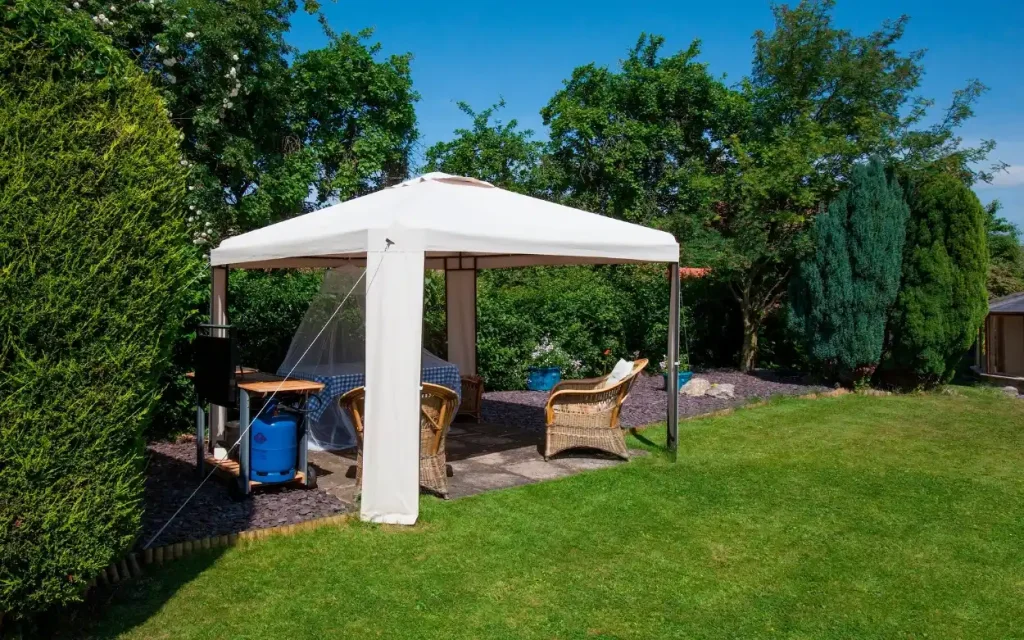
Pop-up gazebos are famous because they are easier to install and are portable. Even though they are designed for quick setup, following the right steps ensures better stability and longer term use.
Unpack and Inspect All Components
Begin by unpacking all the tools and materials that you need to build a gazebo and organizing them. Check each part carefully to ensure nothing is missing or damaged. Identifying issues early can save time and effort later.
Organize and Prepare the Parts
Group similar parts together, such as poles, connectors, and canopy fabric. This makes it easier to follow the instructions and reduces confusion during assembly.
READ ALSO: Signs It’s Time for a Canopy Replacement Cover and How to Pick the Best One
Assemble the Frame Structure
Begin expanding the frame slowly. Most pop up gazebos use a folding mechanism that allows the structure to open outward. Work evenly on all sides and avoid pulling one section too far ahead. This helps maintain balance and prevents damage. Having another person assist you can make this step much easier.
Install the Roof or Canopy
Place the canopy fabric over the frame while it is partially open. Align it carefully and attach it to the corners. Start with one corner and move to the opposite side to keep tension even. Proper alignment helps prevent wrinkles and extends the life of the fabric.
Secure Joints and Lock the Structure
Fully extend the frame and lock all joints into place. Make sure each connection is secure before moving on. This ensures the gazebo remains stable during use.
Adjust and Level the Gazebo
Check that all legs are evenly positioned on the ground. Adjust the height if needed. A level gazebo improves both stability and appearance.
Anchor the Gazebo Properly
Anchoring is one of the most important steps. Even a light breeze can move an unsecured gazebo. Use stakes, weights, or other anchoring methods depending on your surface. Proper anchoring greatly reduces the risk of damage.
How to Anchor and Weigh Down a Gazebo
Securing your gazebo properly ensures it stays stable in different weather conditions. Without proper anchoring, even a well assembled structure can become unsafe.
Weight Bags
Weight bags are a simple solution for hard surfaces. They are filled with sand or water and attached to the legs. They are easy to use and ideal for temporary setups.
Ground Stakes
Ground stakes are commonly used for grass or soil. They are driven into the ground and connected to the gazebo frame. This method provides strong support and is effective in moderate wind conditions.
Concrete or Paving Weights
Concrete blocks or paving slabs can also be used to secure your gazebo. They add extra weight and are suitable for areas where stakes cannot be used.
Bolts and Permanent Anchors
For permanent installations, bolts and anchor systems provide the highest level of stability. These are fixed into concrete or decking and are ideal for larger structures.
READ ALSO: Step-by-Step Guide to Securely Anchor a Gazebo to Concrete
How to Take Down a Gazebo Safely
Taking down your gazebo properly helps prevent damage and ensures it can be reused easily.
Pop Up Gazebo Takedown Steps
- Start by removing all anchors and weights.
- Carefully detach the canopy and fold it neatly. Avoid dragging it on the ground.
- Collapse the frame slowly and evenly. Do not force it closed, as this can damage the structure.
- Having another person assist you can make this process easier.
Storage Tips
Proper storage helps extend the life of your gazebo.
- Make sure all parts are clean and dry before storing them. Moisture can lead to mold or rust.
- Store the gazebo in a cool and dry place. Keeping it in a storage bag can protect it from dust and damage.
- Ensure all components are stored together to avoid losing parts.
READ ALSO: Guide to Gazebo Hard Roof Replacement
READ ALSO: Gazebo Metal Roof Replacement Tips for Longevity and Safety
Additional Practical Tips for Better Results
To get the best results when learning how to put a gazebo up, it is helpful to follow a few extra tips.
- Start early in the day so you have enough time to complete the setup without rushing. Rushing often leads to mistakes.
- Keep your tools and parts organized throughout the process. This improves efficiency and reduces stress.
- If possible, assemble the gazebo close to its final position. Moving it after assembly can be difficult and may weaken the structure.
- Take short breaks when needed, especially when working on larger gazebos. This helps maintain focus and prevents fatigue.
READ ALSO: Weather Considerations: When is the Best Time to Assemble Your Gazebo?
Long-Term Maintenance Tips
Maintaining your gazebo after setup is important for long-term use.
- Regularly check bolts and connectors to ensure they remain tight. This is especially important after strong winds or heavy use.
- Clean the canopy fabric with mild soap and water to prevent dirt buildup and mold.
- During extreme weather conditions, consider removing the canopy or taking down the gazebo to prevent damage.
- Proper maintenance can extend the lifespan of your gazebo and keep it looking good.
READ ALSO: Why You Should Hire a Professional for Gazebo Assembly
READ ALSO: Top Tips for Choosing the Best Gazebo Canopy for Your Backyard
Professional Gazebo Setup Service
While learning how to put a gazebo up is helpful, proper installation requires accuracy for safety and durability. Mistakes in assembly or anchoring can affect stability.
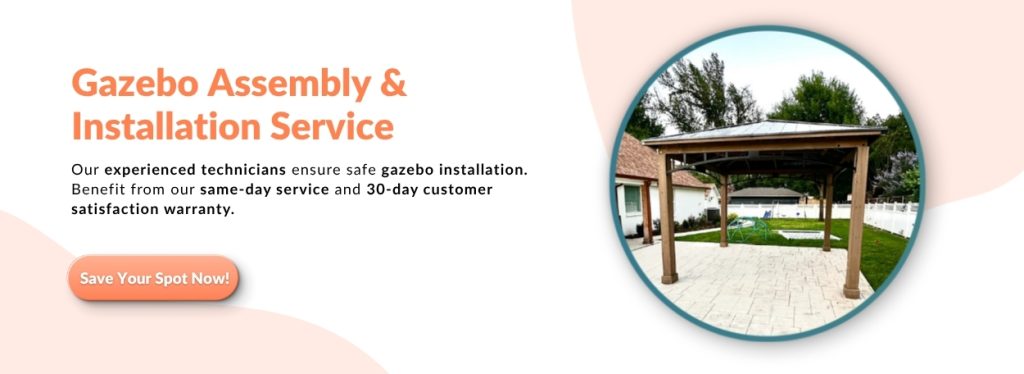
Fixtman offers professional gazebo setup services, ensuring correct installation, secure anchoring, and long-lasting results. Their experts handle the entire process efficiently and safely. This saves time and ensures your gazebo is built to withstand outdoor conditions.
Conclusion
Now you have a complete understanding of how to put a gazebo up from start to finish. Each step, from preparation to anchoring and storage, plays an important role in creating a stable and durable structure. Taking the time to follow these steps carefully will help you avoid common mistakes and ensure your gazebo performs well over time.