
If you are searching for how to build a wooden gazebo, the process involves selecting a design, preparing a strong foundation, and assembling the posts, frame, roof, and finishing details. Each step must be done carefully to ensure stability and durability. Before you start construction, it’s important to understand why a wooden gazebo is worth building and what types are available, as this will help you make the right design and material choices for your space.
READ ALSO: The Best Plans to Build a Wooden Playset in 2026
Benefits of Building a Wooden Gazebo
A wooden gazebo is more than just an outdoor structure it adds both function and beauty to your space. It creates a usable area for relaxation, dining, or gatherings while improving the overall look of your garden or backyard. With proper construction, it also adds long-term value and usability to your property.
Other important benefits include:
- Provides shade and sun protection during hot weather
- Creates a dedicated space for outdoor gatherings
- Increases property value and visual appeal
- Offers customization in size, shape, and design
- Can be adapted for seasonal use with curtains or screens
When properly built and maintained, a wooden gazebo can last for many years while maintaining its structural strength and appearance.
Types of Wooden Gazebos
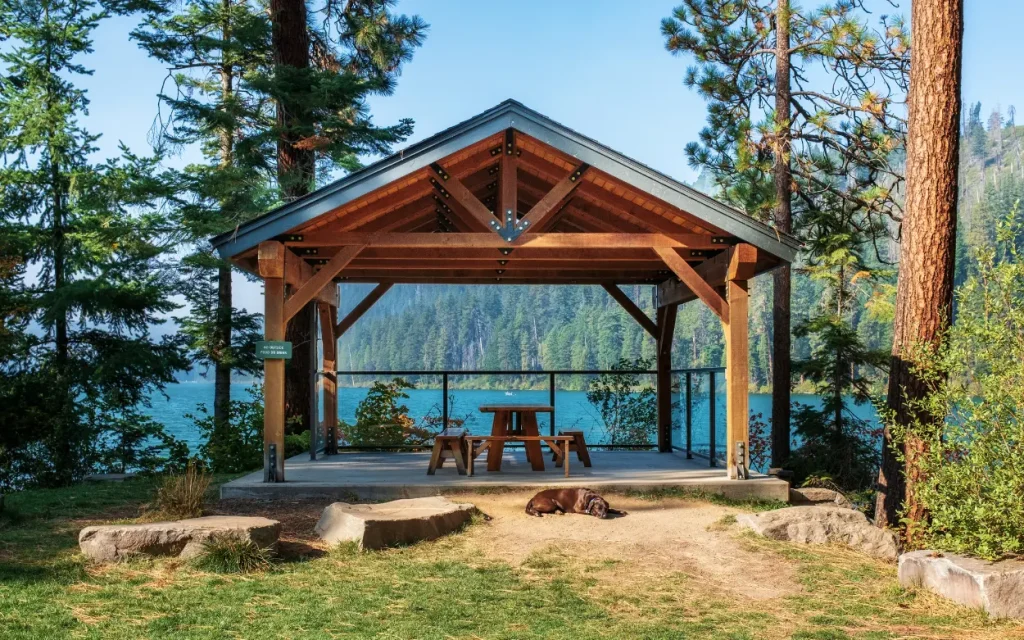
Before starting construction, it is important to understand the different types of wooden gazebos because each one requires different building techniques and complexity levels.
Open Wooden Gazebos
Open gazebos are the simplest and most common design. They consist of a roof supported by vertical posts without walls. They are ideal for: Gardens and backyards, Casual seating areas and Lightweight DIY construction projects. Because of their open structure, they provide excellent airflow and visibility, making them suitable for warm climates.
Enclosed Wooden Gazebos
Enclosed gazebos include partial or full walls. These may feature screens, windows, or even solid panels, depending on design. They are commonly used for: Privacy-focused outdoor spaces, Windy or colder climates and Year-round usage areas. Enclosed designs require stronger framing because of the added weight and structural load.
Octagonal Wooden Gazebos
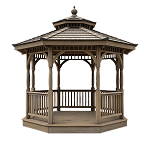
Octagonal gazebos are traditional and visually attractive, but more complex to build. The angled structure requires precise cutting and framing. They are often found in: Parks and large gardens, Decorative landscapes and High-end backyard designs. The roof structure is more advanced, often requiring radial rafters and a central support system.
Rectangular Wooden Gazebos
Rectangular gazebos are the easiest for beginners. Their straight lines make measurement, cutting, and assembly simpler. They are best for: Outdoor dining areas, Modern backyard layouts and Large seating arrangements. This design also allows better furniture placement compared to circular or octagonal structures.
READ ALSO: How to Choose the Strongest Wooden Playset Construction Materials
How to Build a Wooden Gazebo
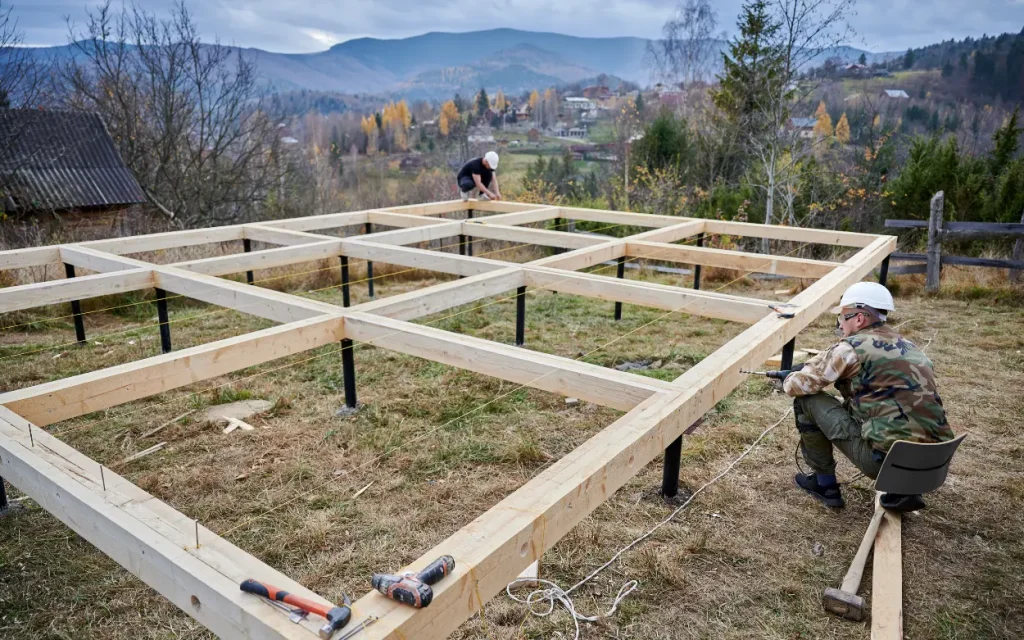
Building a wooden gazebo requires step-by-step planning and careful execution. Each stage contributes to the strength and durability of the final structure.
Plan the Design and Location
Start by selecting a suitable location in your yard. The ground should be flat or easily leveled to prevent structural imbalance. Key factors to consider:
- Sun direction for shade placement
- Distance from trees and fences
- Water drainage in the area
- Accessibility for construction
Most residential gazebos range from 10×10 feet to 14×14 feet, depending on available space and intended use. Proper planning at this stage prevents costly mistakes later in construction.
READ MORE: How Much Does It Cost to Build a Gazebo in 2026?
Prepare the Foundation
A strong foundation is essential for stability and safety. Without it, the gazebo may shift or sink over time. Common foundation options include: Concrete slab (most stable and durable), Concrete footings for each post, Wooden deck platform, and reinforced paver base. Concrete footings are the most widely recommended method because they anchor each post securely into the ground.
READ ALSO: Step-by-Step Guide to Securely Anchor a Gazebo to Concrete
Gather Materials and Tools
Before construction begins, all materials should be prepared in advance.
Typical materials:
- Pressure-treated lumber
- Concrete mix
- Galvanized screws and bolts
- Metal post anchors
- Roofing material (shingles, metal sheets, or wood panels)
Tools required:
- Circular saw
- Power drill
- Measuring tape
- Carpenter’s level
- Hammer
- Ladder
Using pressure-treated wood is important because it resists moisture, insects, and long-term decay.
READ ALSO: Complete Gazebo Tools Checklist for Every Installation Project
Install Posts and Frame Structure
The posts form the backbone of the gazebo. Accuracy in this step is critical for structural integrity.
Steps include:
- Mark posts positions accurately
- Dig holes or set anchors in concrete
- Insert vertical posts and ensure they are level
- Secure posts with concrete or metal brackets
- Connect posts using horizontal beams
At this stage, even minor alignment errors can affect the entire roof structure later.
READ ALSO: How to Anchor a Gazebo to Pavers
Build the Roof Frame
The roof is one of the most complex parts of a wooden gazebo. Depending on design, you may build:
- Pyramid roof
- Hip roof
- Gable roof
Rafters are installed from the central point outward, forming the roof shape. They must be evenly spaced to distribute weight properly. Proper bracing is essential to prevent movement during wind or heavy rain.
Install Roof Covering
Once the frame is complete, the roof covering is installed.
Common options include:
- Asphalt shingles (durable and weather-resistant)
- Metal roofing sheets (long lifespan, low maintenance)
- Wooden shingles (natural aesthetic look)
Each material has different durability and cost levels, but all should be installed with proper waterproof layer.
READ ALSO: How to Replace a Gazebo Roof Safely and Correctly
Add Flooring and Finishing Touches
Flooring improves both comfort and appearance. It also helps define the gazebo as a usable space.
Options include:
- Wooden decking boards
- Concrete flooring
- Outdoor stone tiles
Finishing touches include sanding rough edges, applying a protective sealant, and painting or staining the wood. Adding trims or railings can enhance the look, while these steps also protect the gazebo and improve its durability.
READ ALSO: Creative Gazebo Layout Ideas: Designing Your Outdoor Space Post-Assembly
READ ALSO: How to Decorate a Gazebo for a Wedding
Fixtman Installation Services
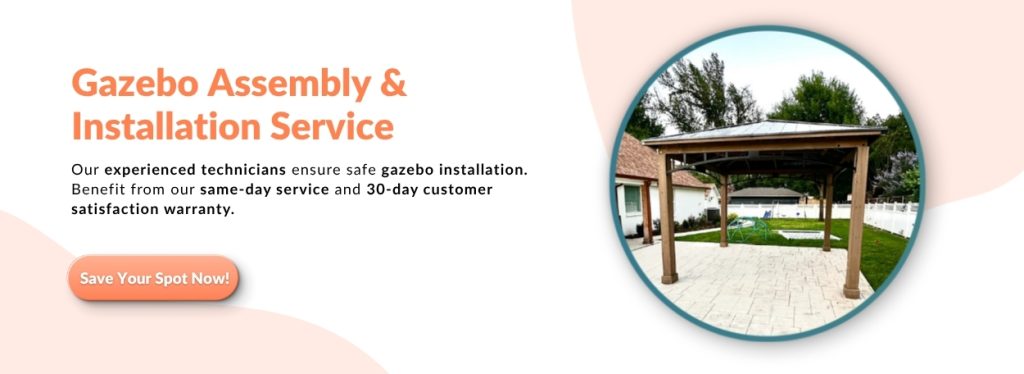
If you want a hassle-free way to build your wooden gazebo, Fixtman offers professional gazebo assembly and installation at affordable rates. Instead of handling complex measurements, tools, and construction steps yourself, you can rely on trained experts to complete the job safely and efficiently. Fixtman helps you save time, avoid costly mistakes, and ensure your gazebo is built with proper alignment, strong foundations, and long-term stability; often at a cost-effective price compared to fixing DIY errors later.
READ ALSO: DIY vs. Professional: Replacing Your Gazebo Top the Right Way
Conclusion
Building a wooden gazebo takes careful planning, a strong foundation, and precise assembly, but the result is a durable outdoor structure that adds both function and beauty to your space. By following the right steps, from design and framing to roofing and finishing, you can create a gazebo that lasts for years and enhances your outdoor living area.
Frequently Asked Questions
Does a Gazebo Need a Concrete Base?
Yes, a concrete base is the most stable option. It prevents shifting, sinking, and structural movement over time.
How Long Does It Take to Build a Gazebo?
A simple wooden gazebo typically takes 2 to 4 days. More complex designs may take up to a week depending on experience and tools.
Can You Build a Gazebo on Pavers or Decking?
Yes, but it must be properly anchored. Without anchoring, pavers alone are not stable enough for permanent structures.
What Is the Best Wood for Outdoor Gazebos?
Cedar, redwood, and pressure-treated pine are the most commonly used due to durability and resistance to decay.
How Do You Anchor a Gazebo Properly?
Gazebos are anchored using concrete footings, metal brackets, or heavy-duty anchors to ensure wind resistance and stability.