
Key Takeaways
- Gazebos above common size limits often require approval from local authorities
- Fixed or anchored gazebos are usually classified as buildings and must be approved
- Portable structures are often allowed without permits but rules vary by location
- Adding electricity or plumbing almost always triggers permit requirements
- Setbacks height limits and HOA regulations can determine if approval is needed
- You may face fines removal orders or issues when selling your property
If you are asking, do you need a permit for a gazebo, it depends on size, structure type, and local regulations. Small temporary gazebos are often exempt, while larger or permanent ones usually require approval. These rules exist to ensure safety and proper land use since gazebos may fall under local building codes. This guide helps you understand the requirements so you can avoid fines or delays before building.
What Is a Gazebo in Legal and Zoning Terms?
What is Gazebo? In legal and zoning terms, a gazebo is generally defined as a freestanding, roofed accessory structure designed for relaxation, which is open on all sides or partially screened. It is considered a secondary, non-habitable building that is incidental to the primary residential use of the property.
Here is a breakdown of how gazebos are treated in zoning and legal regulations:
READ ALSO: How to Anchor a Gazebo on Pavers
Legal and Zoning Definition
- Accessory Structure/Use: Because a gazebo is subordinate to the main house, it is classified as an accessory structure. It must typically be constructed at the same time as, or after, the principal building.
- Structure Characteristics: It is often described as a detached, roofed structure with open, screened, or lattice-enclosed sides.
- Not Habitable: Zoning regulations often specify that gazebos cannot be designed for year-round habitation.
Do You Need a Permit to Build a Gazebo?
Whether you need a permit depends on your location and the type of gazebo you plan to build.
When a Permit Is Required
- Size Limits: If the gazebo is larger than 120 square feet (a common, though not universal, threshold).
- Permanence: If the structure is bolted, cemented, or anchored into a permanent foundation.
- Electricity/Plumbing: If you are adding electrical wiring, lights, or plumbing.
- Proximity to Property Lines: Structures close to property lines (setback restrictions) or in specialized areas.
- Enclosed Structures: If the gazebo is completely enclosed, turning it into a building or room.
Many building departments require permits for structures that are considered permanent because they can affect property safety and land usage compliance.
When a Permit Is NOT Required
In many areas, you may not need a permit if:
- It is considered a temporary structure.
- It is small (e.g., under 100-120 square feet).
- It is not attached to the house or a permanent foundation.
Temporary pop-up gazebos are often exempt because they are not considered permanent construction. However, this varies by region, so checking local rules is always important.
Key Factors That Determine If You Need a Gazebo Permit
Several key factors influence whether a permit is required.
Size and Square Footage Limits
One of the most important factors is size. Many municipalities set a maximum square footage limit for structures that do not require permits. For example, small structures under a certain size threshold may be exempt, while larger gazebos require approval. These limits vary widely depending on local zoning laws.
Permanent vs Temporary Structures
Permanent gazebos almost always require a permit because they are fixed to the ground and considered long-term installations.
Temporary gazebos, on the other hand, are often exempt because they can be removed easily and do not affect land structure.
Height Restrictions
Some areas also regulate the height of outdoor structures. If a gazebo exceeds a certain height limit, it may require approval even if it is small in footprint. Height rules are often related to visibility, safety, and neighborhood aesthetics.
Distance from Property Lines (Setbacks)
Setback rules define how close a structure can be built to property boundaries. Gazebos placed too close to fences or neighboring properties may require a permit or special approval. These rules help prevent disputes between property owners and ensure safe access.
Utility Connections (Electricity, Plumbing)
If your gazebo includes electrical wiring, lighting systems, or plumbing features, a permit is almost always required. This is because utility installations must meet safety codes to prevent hazards such as electrical fires or water damage.
HOA Rules and Restrictions
If you live in a community with a Homeowners Association, you may also need approval even if a city permit is not required. HOAs often regulate structure design, color, placement, and size to maintain neighborhood consistency.
Types of Gazebos and Their Permit Requirements
Different gazebo types have different permit rules depending on their construction and usage.
Pop-Up and Temporary Gazebos
Pop-up gazebos are usually lightweight and portable. They are often exempt from permits because they are not permanent structures.
However, if left installed for long periods or anchored heavily, they may fall under permit requirements in some areas.
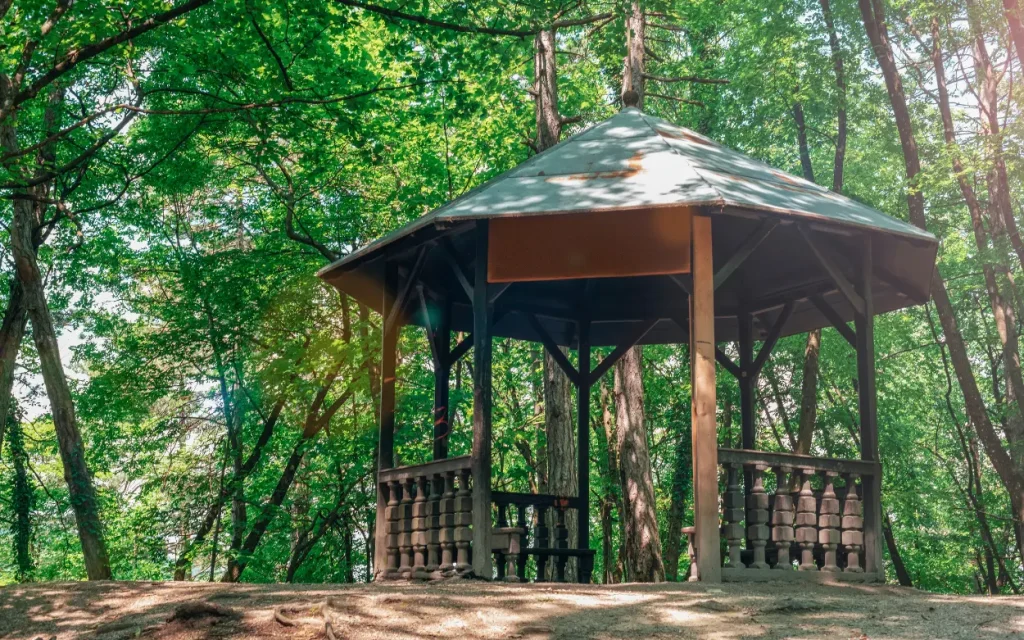
Wooden and Permanent Gazebos
Wooden gazebos are typically permanent structures. They are often built on foundations or anchored deeply into the ground.
Because of their permanence, they usually require a building permit before construction begins.
Metal and Hardtop Gazebos
Metal and hardtop gazebos are durable and often semi-permanent or permanent.
Depending on the installation method, they may require permits, especially if anchored to concrete or equipped with roofing systems designed for long-term use.
Attached vs Freestanding Gazebos
Attached gazebos are connected to a house or structure, making them more likely to require permits. Freestanding gazebos may or may not require permits depending on size and local regulations, but permanent freestanding structures often still need approval.
READ ALSO: Types of Gazebos and Which One Is Best for Your Yard
How to Check If You Need a Permit for Your Gazebo
Before building, it is important to confirm local requirements.
Contacting Your Local Building Department
The most reliable way to check is by contacting your local building authority. They can provide specific rules for your area, including size limits, setback requirements, and permit fees.
Checking Zoning Laws Online
Many municipalities publish zoning laws online. These documents outline rules for accessory structures like gazebos and can help you understand requirements before applying.
Reviewing HOA Guidelines
If you are part of a homeowners association, review their rules carefully. HOAs often have stricter requirements than local governments, especially regarding design and placement.
Check Property Restrictions:
Determine if your property is in a designated historical area or has specific zoning limitations.
How to Apply for a Gazebo Permit (Step-by-Step)
If your gazebo requires a permit, the application process is usually straightforward.
Documents and Plans You’ll Need
- Completed Application Form: Often available via municipal online permitting systems or city planning offices.
- Site Plan / Plot Plan: A scaled drawing showing property lines, existing buildings, the proposed gazebo location, and distances (setbacks) from property lines and other structures.
- Construction Drawings: Detailed blueprints of the structure, including:
- Elevations: North, south, east, and west views showing height and design.
- Floor Plan: Dimensions of the gazebo.
- Foundation/Footing Plan: Details on how the gazebo is anchored.
- Framing Plans: Structural details for walls and roofs.
- Engineering Computations: Often required to ensure structural integrity.
- Electrical/Plumbing Plans: Needed if you plan to run electricity or water to the gazebo.
- Proof of Ownership/Property Data: Such as a land survey or property deed.
- Contractor License/Insurance: If hiring a contractor, their details are required.
Application Process Explained
Submit your application to the local building authority. They will review your plans for safety and zoning compliance. In some cases, revisions may be required before approval.
Permit Costs and Fees
Permit costs vary depending on location and project size. Small structures usually have lower fees, while larger permanent gazebos may cost more due to inspection requirements.
Read More: How Much Does It Cost to Build a Gazebo in 2026?
Approval Timeline
Approval can take anywhere from a few days to several weeks depending on workload and complexity of the project.
What Happens If You Build a Gazebo Without a Permit?
Building without a required permit can lead to serious consequences.
Fines and Penalties
You may be required to pay fines if your structure violates building codes. These fines vary depending on local regulations.
Forced Removal or Modifications
Authorities may require you to remove or modify the gazebo if it does not meet code requirements.
Issues When Selling Your Home
Unpermitted structures can cause problems during property sales. Buyers or inspectors may require removal or legalization before completing the sale.
Read Also: How to Put Up and Take Down Gazebos the Right Way
Conclusion
So, do you need a permit for a gazebo? The answer depends on size, structure type, location, and whether it is permanent or temporary. Small portable gazebos may not require permits, but larger permanent installations usually do. Before building, always check local building regulations, zoning rules, and HOA guidelines to avoid fines or legal issues. Proper planning ensures your gazebo project is safe, compliant, and long-lasting.
After knowing the regulations and permits regarding a gazebo, do you have any intention to build a gazebo in your backyard? If your answer is yes, do not hesitate to call us. Fixtman service offers professional gazebo assembly and installation to help you build your own Gazebo securely and quickly.
Frequently Asked Questions About Gazebo Permits
Do Small Gazebos Require a Permit?
Small gazebos usually do not require a permit if they fall under local size thresholds, which are often around 100 to 120 square feet. However, if the structure is permanent, anchored, or exceeds height limits, local authorities may still require approval
Do You Need a Permit for a Gazebo on a Deck?
In many cases, you will need a permit for a gazebo on a deck because it adds structural load and may affect safety compliance. If the gazebo is anchored, attached, or includes utilities like lighting, it is more likely to require approval
Are Temporary Gazebos Exempt from Permits?
Temporary gazebos are often exempt from permits because they are portable and not fixed to the ground. However, if they are left in place long term or heavily anchored, some areas may classify them as permanent structures
How Close Can a Gazebo Be to a Fence?
The distance a gazebo can be built from a fence depends on local setback regulations, which are designed to maintain safety and property boundaries. These rules vary widely, but many areas require a few feet of clearance from property lines
Do Gazebos Increase Property Taxes?
Permanent gazebos can increase property taxes because they may raise the overall assessed value of your home. The impact depends on your local tax authority and whether the structure is considered a significant improvement