
Key Takeaways
- A secured gazebo prevents accidents caused by shifting or strong wind
- Using anchor bolts or expansion anchors provides long term stability
- Installing footings under pavers creates a solid foundation for heavy gazebos.
- Weights or sandbags work well if you want a non permanent solution.
- Accurate drilling and alignment help avoid cracks and structural issues.
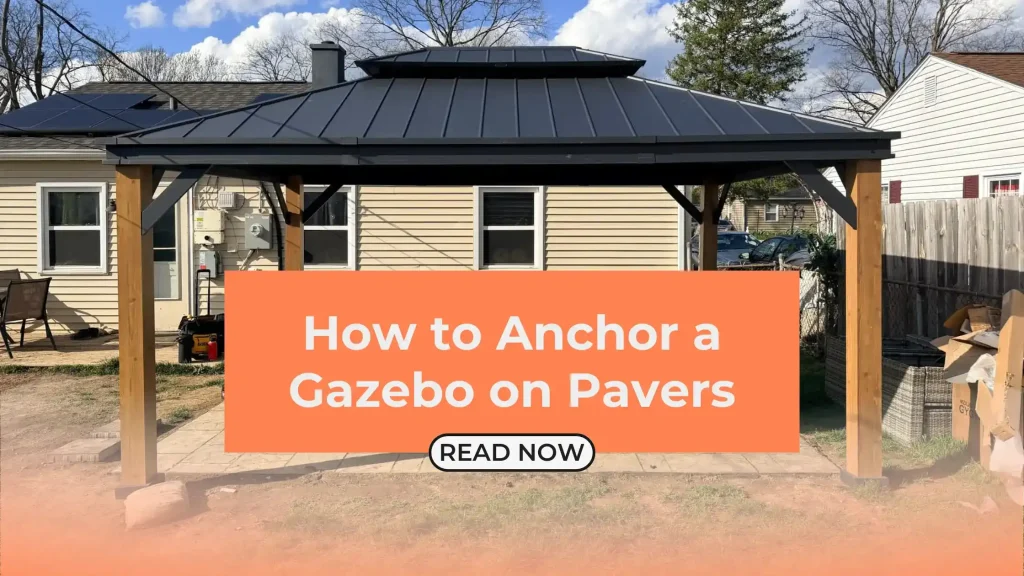
Anchoring a gazebo on pavers is essential for keeping it stable and safe in outdoor conditions like wind and rain. While pavers may look solid, they are not always firmly fixed to the ground beneath, so without proper anchoring the gazebo can shift, tilt, or become unsafe. This guide explains the most effective and safe methods to anchor a gazebo on pavers while protecting both the structure and the surface.
Can You Anchor a Gazebo to Pavers?
Yes, you can anchor a gazebo to pavers, with the most secure methods being drilling directly into them with Masonry anchors or installing hidden concrete footings underneath. The best approach depends on the paver stability and gazebo weight, using tools like hammer drills, masonry bits, and expansion bolts to ensure it withstands wind.
Read Also: How Much Does It Cost to Build a Gazebo in 2026?
Why Anchoring a Gazebo on Pavers Is Important
Anchoring a gazebo is not just about keeping it in place. It is also about safety, structural integrity, and long-term performance.
Stability and Wind Resistance
Wind is one of the biggest challenges for outdoor structures. Even moderate wind can lift or shift an unanchored gazebo. When a gazebo is properly anchored to pavers, it gains resistance against lateral movement and uplift forces. This helps prevent tilting or collapse during storms or sudden gusts of wind.
Safety for People and Property
A poorly secured gazebo can become dangerous. Strong winds can cause it to shift or even overturn, which may result in injuries or property damage. Anchoring ensures the structure stays fixed in place, protecting furniture, decorations, and people using the space underneath.
Long-Term Durability
Anchoring also extends the lifespan of your gazebo. When the structure is stable, joints and frames experience less stress. Without anchoring, constant movement can loosen bolts, damage joints, and weaken the frame over time. Proper installation reduces maintenance needs and improves durability.
READ ALSO: Best Practices for Anchoring Play Equipment to Ensure Safety
Best Methods to Anchor a Gazebo on Pavers
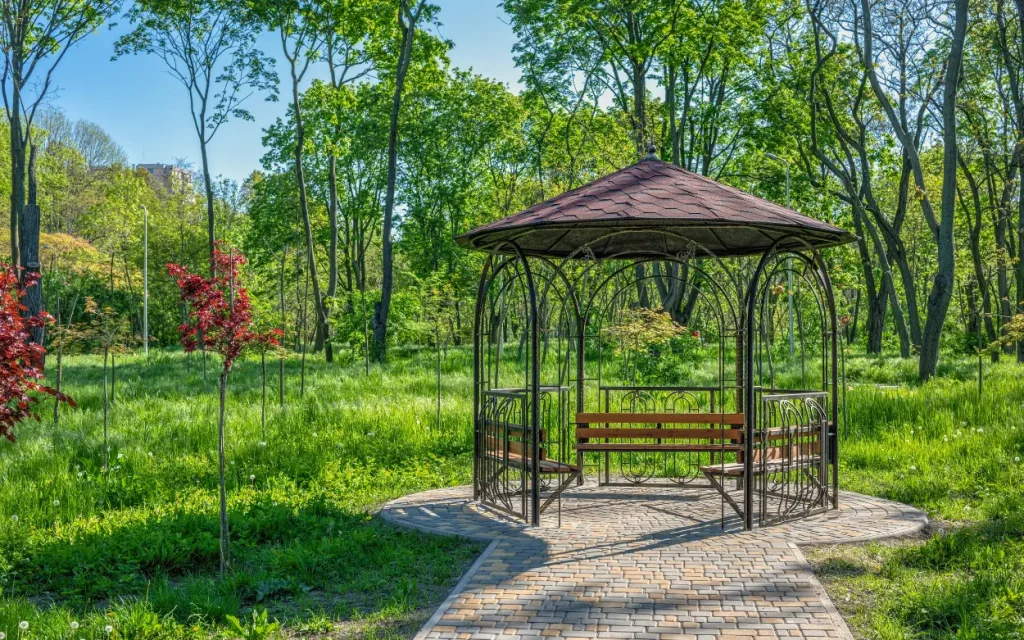
There are several reliable ways to anchor a gazebo depending on whether you want a permanent or temporary setup.
Drilling Into Pavers with Anchor Bolts
This is one of the most secure methods for anchoring a gazebo on pavers. It involves drilling holes directly into the pavers and inserting anchor bolts to secure the gazebo legs. This method provides strong grip but requires precision drilling to avoid cracking the pavers. It is commonly used for permanent installations where stability is a priority.
Using Concrete Footers Under Pavers
In this method, small sections of pavers are removed, and concrete footers are poured beneath the surface. The gazebo is then anchored directly into the concrete. This creates a very strong foundation and is ideal for heavy or large gazebos. It is considered one of the most durable anchoring methods.
Weighted Anchors (No Drilling Option)
Weighted anchors are a non-invasive option that does not require drilling into pavers. These include heavy steel weights, sandbags, or specially designed gazebo weights. This method is popular for temporary setups or rental properties where permanent modification is not allowed. However, it may not be as strong as drilled or concrete-based solutions in high wind areas.
Expansion Anchors or Sleeve Anchors
Expansion anchors or sleeve anchors are inserted into drilled holes in pavers. When tightened, they expand inside the hole and create a firm grip. This method provides strong resistance and is commonly used in masonry applications. It works well for medium to heavy gazebos when installed correctly.
Anchoring to Ground Beneath Pavers
This method involves drilling through the pavers and into the soil or concrete base underneath. Long ground anchors or stakes are then used to secure the gazebo. This is one of the strongest hybrid methods because it combines surface stability with deep ground support.
Guide to Anchor a Gazebo on Pavers
Now let’s go step by step through the installation process for safe and effective anchoring.
Choose the Ideal Location
Start by selecting a flat and stable area with properly installed pavers. Avoid edges or uneven sections because they can reduce stability. Also consider wind direction and sunlight exposure when positioning your gazebo.
Assemble and Position the Gazebo
Assemble the gazebo frame fully before anchoring it. Once assembled, place it exactly where you want it installed. Moving it later after anchoring will be difficult, so alignment is very important at this stage.
Mark Anchor Points Accurately
Use a marker or chalk to mark where each leg of the gazebo will be anchored. Double-check measurements to ensure symmetry and balance. Incorrect spacing can lead to uneven stress distribution.
Drill Holes into Pavers Safely
If you are using a drilling method, carefully drill into the marked points using a masonry drill bit. Go slowly to avoid cracking the pavers. Apply steady pressure and keep the drill straight for clean holes.
Install Anchors or Bolts
Insert anchor bolts, sleeve anchors, or expansion anchors into the drilled holes. Make sure they fit tightly and are properly aligned with the gazebo frame. This step determines the strength of the entire installation.
Secure the Gazebo Frame
Attach the gazebo legs to the installed anchors. Tighten all bolts evenly to ensure stability. Do not overtighten one side before adjusting others, as this can create an imbalance in the structure.
Test Stability and Make Adjustments
Once everything is secured, gently test the structure by applying light pressure from different sides. Check for movement, loose fittings, or uneven legs. Make final adjustments if needed to ensure full stability.
READ ALSO: Step-by-Step Guide to Securely Anchor a Gazebo to Concrete
Maintenance Tips for an Anchored Gazebo to Pavers
Proper maintenance is essential to keep your anchored gazebo safe, stable, and looking its best for years to come. Regular inspections and preventative care can help extend the lifespan of your gazebo while reducing the risk of costly repairs.
Inspect Anchors and Hardware Regularly
Check the anchors, bolts, screws, and other hardware every few months to ensure everything remains secure. Look for signs of rust, corrosion, wear, or loose components. Tightening hardware and replacing damaged parts promptly can help maintain the gazebo’s stability and prevent larger structural issues.
Keep the Gazebo Clean
Routine cleaning helps prevent dirt, debris, and moisture buildup that can lead to long-term damage. Wash the gazebo with mild soap and water, paying special attention to corners, joints, and hard-to-reach areas where debris can accumulate. Rinse thoroughly after cleaning to keep surfaces in good condition.
Monitor Stability and Leveling
Periodically inspect the gazebo to ensure it remains level and securely anchored to the pavers. Shifting ground, weather conditions, or normal wear can sometimes affect stability. If you notice leaning, movement, or unevenness, address the issue as soon as possible to maintain safety.
Protect Wood and Metal Components
Wooden gazebos benefit from a fresh coat of sealant, stain, or paint every few years to protect against moisture, UV exposure, and weather-related wear. For metal gazebos, applying a rust-prevention treatment or protective coating can help reduce corrosion and extend the life of the structure.
Consider Professional Gazebo Maintenance
Professional maintenance services can help keep your gazebo in excellent condition throughout the year. Regular inspections, cleaning, and minor repairs performed by experienced technicians can identify potential problems before they become major issues, helping you protect your investment and enjoy your outdoor space with confidence.
Professional Gazebo Anchoring Services
Anchoring a gazebo on pavers might seem simple, but it’s one of those things where small mistakes can turn into big problems, like wobbling, shifting, or even damage when the weather gets rough. And once that happens, fixing it isn’t exactly fun (or cheap).
That’s where gazebo assembly service by Fixtman comes in. Instead of guessing your way through it, you get a team that knows exactly how to secure everything properly. With the right tools and a careful approach, we make sure your gazebo stays solid and safe..
Conclusion
Learning how to anchor a gazebo on pavers is essential for creating a safe and long-lasting outdoor structure. Whether you choose drilling, concrete footers, weighted anchors, or ground-based support, the key is selecting the method that best matches your gazebo size, weather conditions, and installation type. A properly anchored gazebo not only improves safety but also enhances durability and performance over time. With the right installation approach, your gazebo can remain stable and secure in different weather conditions for years.
Frequently Asked Questions
What alternative solutions if you can’t drill into pavers?
You can use weighted bases, sandbags, or freestanding anchor systems that do not require drilling. These are best for temporary setups.
Can you drill into patio pavers safely?
Yes, but you must use a masonry drill bit and go slowly to avoid cracking the surface. Proper technique is important.
What is the best anchor for pavers?
Expansion anchors or concrete-based footings provide the strongest long-term stability.
Do you need permits to anchor a gazebo?
In some areas, permanent structures may require permits. It depends on local building regulations.
How do you secure a gazebo in high winds?
Use deep anchors, concrete footings, and additional weighted supports. Reinforcing all four legs is essential in windy region.