


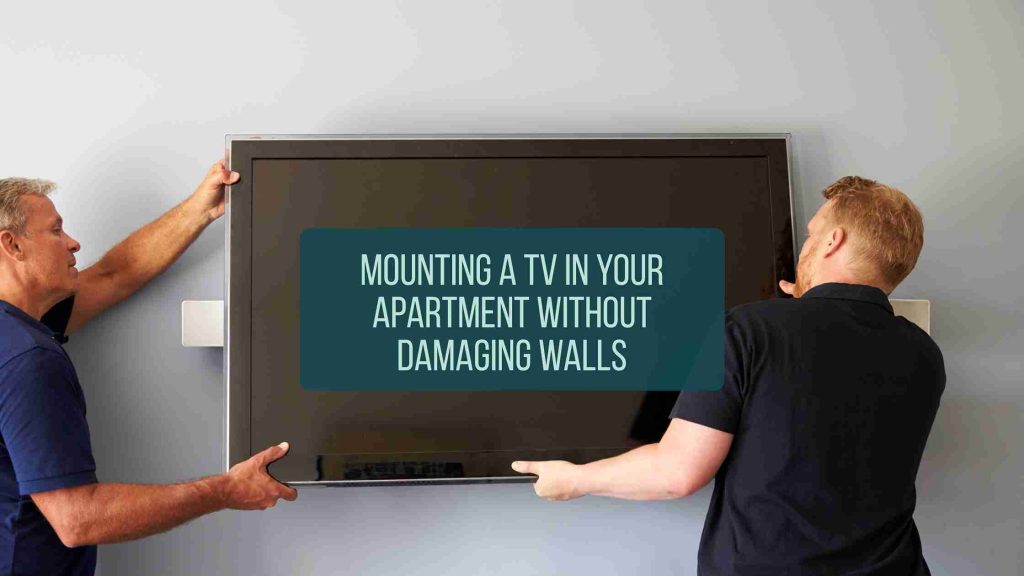

Learning how to mount a TV in an apartment safely can improve your space without risking your security deposit. A properly mounted TV saves space, improves viewing comfort, and creates a clean, modern layout. Renters must be careful, though. Lease rules, wall types, and proper installation methods all determine whether mounting is safe and allowed. With the right approach, you can protect your walls, follow landlord rules, and secure your TV correctly.
Can You Mount a TV in an Apartment?
In most cases, yes. But it depends entirely on your lease agreement and landlord policies. Some landlords allow minor wall modifications if holes are patched before move-out. Others prohibit drilling completely. Always review your lease and request written permission before installing a wall mount. If drilling is not permitted, renter-friendly alternatives can still give you a secure setup.
What Happens If You Mount a TV Without Permission?
Ignoring lease terms can lead to financial and safety issues.
Lease Violations and Security Deposit Risks
Mounting a TV without approval may violate your lease. If the wall is not repaired properly, repair costs may be deducted from your security deposit. In some cases, repair costs exceed the price of professional installation.
Hidden Structural Damage
Drilling without checking behind the wall can damage drywall, studs, insulation, electrical wiring, or plumbing. These repairs can be expensive and disruptive.
Safety Hazards
Improper mounting increases the risk of the TV falling. Weak anchors or unsupported drywall can fail over time, causing injury or property damage.
Best Methods to Mount a TV in an Apartment
Choosing the right method depends on wall type, TV weight, and landlord approval.
Mounting into Wall Studs
Stud-based mounting is the safest method. Wooden studs provide strong structural support behind drywall. This method is ideal for medium and large TVs because it distributes weight properly.
Using Heavy-Duty Drywall Anchors
For smaller TVs, heavy-duty anchors may work if studs are not aligned with your preferred placement. However, strict weight limits must be followed. Exceeding anchor capacity increases the risk of pullout.
No-Drill TV Mounting Options
No-drill options include freestanding TV stands with brackets, tension pole mounts, and certain adhesive-based systems. These are renter-friendly and reduce wall damage. However, they are typically better suited for lightweight TVs.
Floor-to-Ceiling Pole Systems
Pole mounts use vertical pressure between the floor and ceiling for stability. They avoid wall drilling and provide a modern aesthetic when installed correctly.
Step-by-Step Guide: How to Mount a TV in an Apartment
Careful planning minimizes mistakes and prevents wall damage.
Review Your Lease First
Confirm that mounting is allowed. Written approval protects you from future disputes.
Identify Your Wall Type
Determine whether the wall is drywall, plaster, brick, or concrete. Use a stud finder to locate framing behind drywall. Stud alignment determines the safest mounting points.
Select the Correct Mount
Choose a mount rated for your TV’s size and weight. Fixed mounts sit flat, while tilting or full-motion mounts allow angle adjustments. Always check VESA compatibility before purchasing.
Measure and Mark Precisely
The center of the TV should align with seated eye level. Mark drill points carefully and confirm alignment with a level before drilling.
Drill and Secure Properly
Drill pilot holes into studs or approved anchor points. Attach the bracket firmly and tighten all bolts securely.
Test Stability Before Use
Once mounted, gently test for movement. Confirm that the bracket is stable before fully releasing the TV.
Apartment-Friendly TV Mounting Safety Tips
Extra precautions can protect both your TV and your apartment walls.
Avoid Mounting Above Fireplaces
Mounting above fireplaces may expose the TV to heat damage and create uncomfortable viewing angles. Excess heat can shorten the lifespan of electronic components.
Use a Stud Finder and Level
Accurate tools prevent unnecessary drilling and ensure even installation. Proper alignment improves both safety and appearance.
Manage Cables Safely
Use removable cord covers or cable management systems to keep wires organized. This avoids drilling additional holes and maintains a clean look.
Respect Weight Limits
Always confirm that your mount and anchors can support the TV’s weight. Exceeding load limits increases the risk of bracket failure.
How to Remove a TV Mount Without Damaging Walls
Proper removal helps restore the wall and protect your deposit.
Detach the TV and Bracket
Carefully remove the TV from the bracket and unscrew the mount from the wall. Keep all hardware organized for potential reuse.
Remove Anchors Gently
Slowly back out screws and carefully extract anchors using pliers. Avoid enlarging the holes to make patching easier.
Patch the Holes
Fill holes with spackling compound and smooth the surface once dry. Sand lightly to blend with the surrounding wall.
Touch Up Paint
Apply matching paint to restore the wall’s original appearance. Proper touch-up work makes the repair nearly invisible.
Why Professional TV Mounting Is Safer for Renters
Apartment walls may hide wiring, plumbing, or weak structural areas. Professional installers understand how to locate safe mounting points and minimize wall damage. Fixtman provides professional TV mounting services designed for renters and homeowners. Technicians assess wall type, use proper anchors, and ensure secure installation while protecting your property. Hiring experts reduces risk, saves time, and helps protect your security deposit.
Mount Your TV Safely Without Risking Your Deposit
Mounting a TV in an apartment is entirely possible with the right preparation. Understanding landlord policies, choosing safe mounting methods, and following careful installation steps make all the difference. If you want peace of mind and professional results, Fixtman can help you mount your TV safely and securely.
FAQs About Mounting a TV in an Apartment
Can renters legally mount TVs in apartments?
Many renters can mount TVs if lease agreements allow minor modifications. Always confirm with your landlord first.
What is the safest way to mount a TV without drilling?
Freestanding mounts or tension pole systems are typically the safest no-drill solutions.
Will mounting a TV damage apartment walls?
When mounted into studs correctly, only small, repairable holes are created.
What walls are not safe for mounting?
Weak drywall without studs, fragile plaster, or damaged walls may not support heavier TVs safely.
How high should a TV be mounted?
The center of the screen should align with seated eye level for comfortable viewing.
Are no-drill mounts safe for large TVs?
Most no-drill systems are better for small to mid-sized TVs. Larger TVs usually require stud-based mounting.
Do landlords usually allow TV wall mounts?
Policies vary by property. Many landlords allow mounts if walls are repaired before move-out, but written approval is always recommended
