



Electric vehicles are becoming part of everyday life. More people are choosing them for lower fuel costs quieter rides and environmental benefits. Once you own an electric car one thing becomes very clear very fast. Charging at home or on your property makes life much easier. Public chargers are helpful but nothing beats plugging in where you live or work. That is why planning ahead for electric car charging station installation is such a smart move.
Installing charging stations is not just about picking a charger and mounting it on a wall. It takes some planning thought and understanding of how your property is set up. Doing it right from the beginning saves money avoids frustration and keeps everything safe.
Understanding Your Charging Needs
The first step is knowing how the charging station will be used. A single family home with one electric car has very different needs than an apartment building or a commercial property. Think about how many vehicles will need charging now and how many might need it in the future.Some people only need overnight charging for one car. Others may need faster charging during the day or multiple stations available at once. Planning for growth is important. Even if you only need one charger today adding the option to expand later can save you from major upgrades down the road.
Choosing the Right Location
Location matters more than most people realize. Charging stations should be easy to access but also protected from weather and accidental damage. In a home this often means a garage or a driveway wall close to where the car is parked.For larger properties like offices or shared housing the stations should be clearly visible well lit and placed where cars can park without blocking traffic. The closer the charger is to the electrical panel the easier and cheaper the installation usually is.
Knowing Your Electrical Capacity
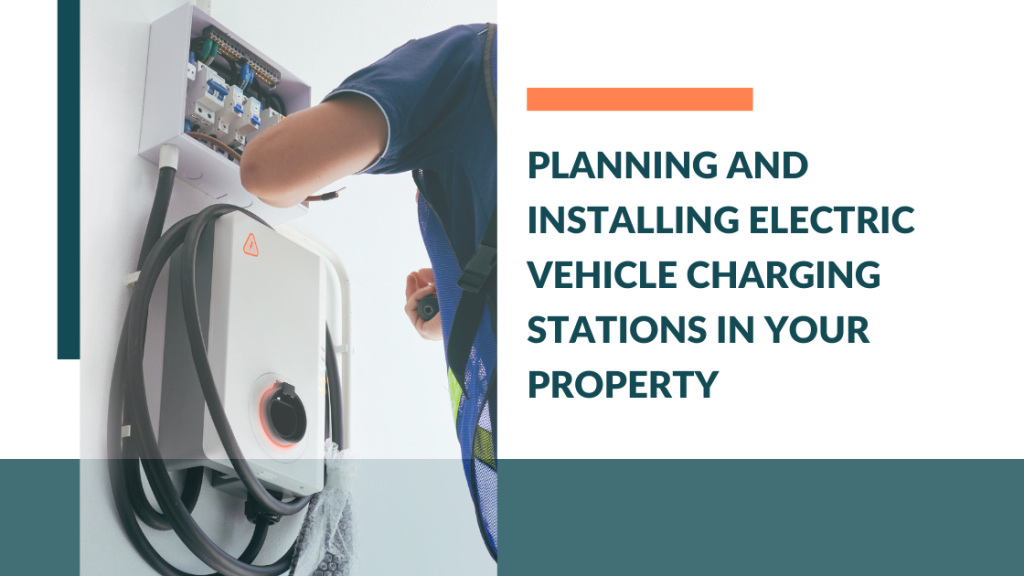
Before you install electric vehicle charging equipment your electrical system needs to be evaluated. Not all panels can handle the added load without upgrades. Older properties in particular may need electrical improvements. A professional assessment helps determine whether your panel has enough capacity or if upgrades are needed. Skipping this step can lead to tripped breakers slow charging or safety risks. This is one area where guessing can cause real problems.
Understanding Charger Types
There are different levels of chargers and each one serves a different purpose. Level one chargers use standard outlets and are very slow. Level two chargers are the most common for homes and properties because they charge much faster. Some commercial setups use even faster systems but those require much more power.
Choosing the right charger depends on how quickly you need vehicles charged and how often the stations will be used. Faster charging usually means higher installation costs so balancing speed and budget is important.
Permits and Local Requirements
Many areas require permits for charger installation especially for permanent wiring. Local building codes and electrical standards must be followed. These rules exist to keep people safe and protect property.Ignoring permits can cause problems later especially if you sell the property or need insurance coverage. Planning ahead and following local requirements keeps everything smooth and legal.
Installation Is Not a DIY Shortcut
It can be tempting to try installing a charger yourself especially with online tutorials everywhere. But electric vehicle charging systems deal with high voltage and continuous electrical loads. Mistakes can be dangerous and expensive. Professional install electric vehicle charging stations services ensure proper wiring secure mounting and correct settings. They also test the system to make sure it performs reliably under real conditions.
Planning for Multiple Users
If your property will serve more than one vehicle user management becomes important. Shared chargers need clear rules and sometimes scheduling systems. Some stations offer smart features that track usage control access or manage power distribution.
This is especially helpful for apartment buildings or workplaces. Planning these features early prevents conflicts and makes charging fair and efficient for everyone.
Weather and Durability Considerations
Outdoor chargers need to handle rain heat cold and dust. Choosing equipment rated for outdoor use is essential. Even indoor garages can experience moisture and temperature changes.Installation should include proper sealing and secure mounting. Chargers that are well protected last longer and require less maintenance over time.
Cost Planning and Budgeting
The cost of installation varies depending on charger type electrical upgrades distance from the panel and labor. While it can feel expensive upfront the long term convenience and fuel savings often outweigh the initial cost.Planning your budget realistically helps avoid surprises. It also helps you choose equipment that meets your needs without overspending on features you do not need yet.
Preparing for the Future
Electric vehicle adoption is growing quickly. Even if your property only needs one charger now more demand is likely coming. Planning conduit space panel capacity and layout for future chargers is a smart move.Future proofing does not mean installing everything at once. It means making today’s installation flexible enough to expand tomorrow.
Safety and Daily Use
Once installed the system should be easy and safe to use. Cables should not create tripping hazards. Chargers should be mounted at a comfortable height. Instructions should be clear for anyone using the station.Safety features like automatic shutoff and proper grounding protect both the user and the vehicle. A good installation feels simple and worry free in daily use.
Maintenance and Monitoring
Charging stations require very little maintenance but occasional checks are still important. Look for loose connections damaged cables or error messages on the charger display. Some systems offer monitoring features that alert you to issues before they become serious. This is especially useful for properties with multiple users.
