
Installing a garage door for the first time can feel exciting and intimidating at the same time. A garage door is not just a big moving panel. It affects your home security daily convenience and even curb appeal. Many first time homeowners jump in without realizing how many details are involved. Understanding the right garage door installation tips can help you avoid frustration mistakes and safety issues before they happen.
Why Garage Door Installation Is Not as Simple as It Looks
At first glance a garage door looks like a few panels and some tracks. In reality it is a system made of springs cables rollers sensors and motors that all need to work together. One wrong step can cause noise alignment issues or even dangerous tension problems.
This is why many homeowners look up a garage door installation guide before starting. Knowing what is involved helps you decide whether you want to handle parts of the process yourself or leave it entirely to professionals.
Start With the Right Door for Your Garage
Before installation even begins choosing the correct door matters. Measure the width height and headroom of your garage carefully. Not all garages are built the same and a door that does not fit perfectly can cause ongoing problems.
Think about insulation material and weight. Heavier doors require stronger springs and motors. Lighter doors are easier to handle but may not provide the same insulation. Making the right choice upfront saves a lot of trouble later.
Understand the Garage Door Installation Steps
Every installation follows a general order even though details may vary. Tracks must be aligned properly panels stacked evenly and springs adjusted with precision. Skipping or rushing any step can affect how smoothly the door operates.
Many first timers underestimate how important alignment is. Even a small tilt can cause the door to jam wear out rollers faster or put extra stress on the opener. Following proper garage door installation steps keeps everything moving safely and evenly.
Safety Should Always Come First
Garage doors are heavy and the springs store a lot of tension. This is not something to experiment with casually. Injuries often happen when homeowners try to adjust springs without proper tools or training.
Always disconnect power before working on the opener. Wear protective gear and never place your body under a door that is not secured. If something feels unsafe or confusing stopping is the smartest move you can make.
Pay Attention to the Tracks and Rollers
Tracks guide the door every time it opens and closes. They need to be level clean and firmly secured. Loose or misaligned tracks cause grinding noises uneven movement and premature wear.
Rollers should move smoothly without resistance. If they bind or wobble something is off. Taking time to get the track and roller setup right is one of the most important garage door installation tips you can follow.
Spring Adjustment Is Not Guesswork
Torsion and extension springs balance the weight of the door. When adjusted correctly the door should lift easily and stay in place when partially open. Incorrect spring tension makes the door feel too heavy or causes it to slam shut.
This is the step where many first time homeowners decide to call for help. Spring adjustment is precise and risky. There is no shame in leaving this part to someone with experience.
Test the Door Before Finalizing Everything
Before tightening all bolts and sealing everything up test the door manually. Open and close it slowly. Listen for noises and watch for uneven movement. The door should move smoothly without jerking or resistance.
Once the opener is connected test the safety sensors and auto reverse function. These features protect people pets and property. A garage door that does not stop when something is in its path needs immediate adjustment.
Wiring and Opener Setup Matters
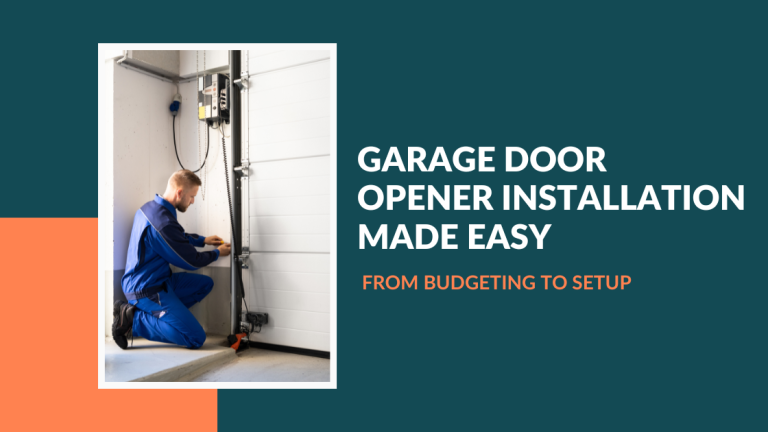
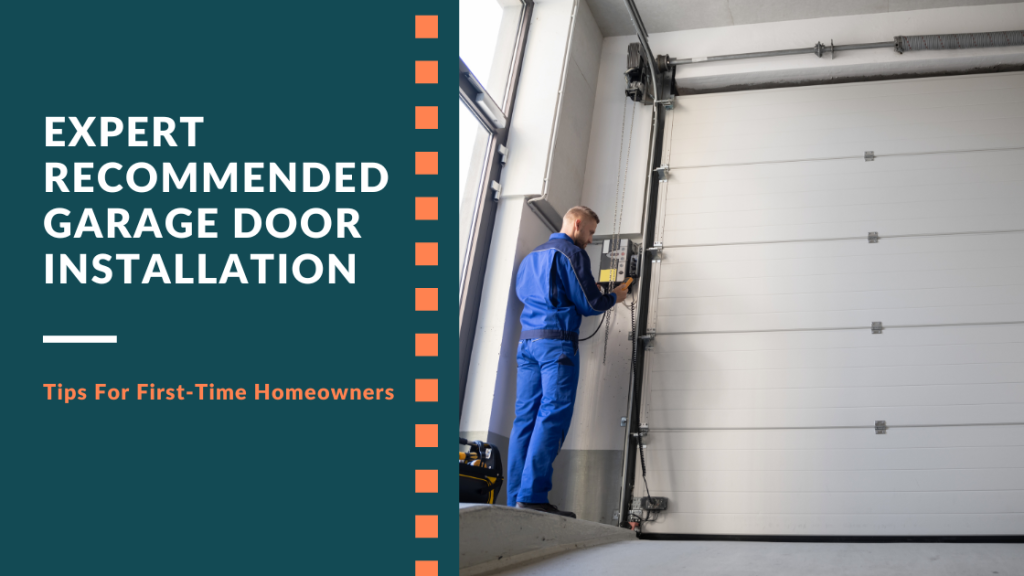
Installing the opener is more than plugging it in. Sensors must be aligned correctly and wiring should be secured neatly. Loose wires can get damaged over time and misaligned sensors can stop the door from working properly.
Position the wall control at a convenient height and make sure everyone in the household understands how to use the system safely. A well installed opener makes daily use smooth and reliable.
READ ALSO: How to Choose the Right Garage Door Opener for Your Home
Do Not Rush the Finishing Touches
Once the door works it is tempting to call the job done. Take time to tighten hardware lubricate moving parts and clean up the work area. These finishing steps help the door operate quietly and last longer.
Check weather seals along the bottom and sides. Proper sealing keeps out water dust and pests. Small details like this make a big difference in long term performance.
Common Mistakes First Time Homeowners Make
Many homeowners rush measurements skip instructions or assume parts will fit without adjustment. Others underestimate how heavy panels are or how precise alignment needs to be.
Another common mistake is ignoring manufacturer guidelines. Each door model has specific requirements. Following the instructions closely is essential even if you have installed other doors before.
When Professional Help Is the Smarter Choice
Some homeowners enjoy tackling projects and have the tools and patience to do it well. Others realize quickly that garage door installation is more complex than expected.
Calling a professional does not mean you failed. It means you value safety and long term reliability. Professionals follow proven garage door installation steps and can spot issues before they turn into expensive repairs.
READ ALSO: Common Issues in Garage Door Opener Installation and How to Fix Them
Long Term Benefits of Proper Installation
A correctly installed garage door opens smoothly closes quietly and lasts longer. It puts less strain on the opener and requires fewer repairs over time. It also improves security and energy efficiency.
When installation is done right you stop thinking about the door altogether and that is the goal. It simply works when you need it to.