
Installing security cameras in your home is one of the best ways to protect your property and give yourself peace of mind. Proper home security camera installation ensures every angle is covered and potential blind spots are minimized. Whether you are setting up a single camera or a full system, understanding placement and setup is key.
If you are considering a new system, planning ahead will help you make the most of your investment. Correct security camera installation can prevent break-ins, monitor deliveries, and keep an eye on your family and pets.
READ ALSO: The Future of Smart Homes: Trends to Watch in 2026
Assess Your Home
Start by evaluating your property. Walk around and note vulnerable areas such as entrances, garages, backyards, and common access points. Identifying these locations helps you determine where cameras will be most effective.
Your goal is to cover points of entry and high traffic areas without leaving gaps. Even a few well-placed cameras can make a big difference in home security.
Front Door and Entry Points
The front door is a prime target for intruders. Place a camera with a clear view of the doorway, porch, and any windows nearby. Ensure it captures faces and package drop-offs if deliveries are frequent. Side and back doors, as well as basement entrances, are equally important. Proper house security camera installation at these points helps monitor less visible access routes.
Garage and Driveway
Garages and driveways often contain valuable equipment and vehicles. Cameras covering these areas deter theft and provide evidence in case of incidents. Position cameras high enough to avoid tampering but low enough to capture license plates and faces clearly. A well-placed garage camera can also monitor visitors entering and leaving the property, enhancing overall security.
Backyard and Outdoor Spaces
Backyards, patios, and gardens can be vulnerable if not monitored. Use cameras to cover these open spaces, especially if they connect to entrances or windows. Motion-activated cameras can help save storage space while alerting you to movement. Ensure coverage includes paths, fences, and outdoor structures where intruders might hide.
Interior Cameras
Depending on your security needs, interior cameras can monitor entryways, hallways, and living spaces. These are particularly useful if you are away often or have service personnel entering your home. Placement should avoid private areas like bedrooms or bathrooms while still providing comprehensive coverage.
Consider Camera Height and Angle
For maximum visibility, install cameras at a height that captures faces and key details but is difficult to tamper with. Typically, 8 to 10 feet off the ground works well. Tilt angles slightly downward to cover the area effectively. Avoid pointing cameras directly into bright light or reflective surfaces, which can reduce image quality.
Power and Connectivity
Check your cameras’ power source and network requirements. Wired systems need proper routing for cables, while wireless cameras must be within range of your Wi-Fi network. Position cameras where they can remain connected reliably. Some may require additional equipment like power adapters or extenders to maintain stable operation.
Test Coverage
Before finalizing installation, test each camera’s coverage. Walk around the monitored areas and review the footage to ensure blind spots are minimized and critical zones are clearly visible. Adjust angles, zoom, and focus as needed to maximize coverage. This ensures your home security camera installation performs as intended.
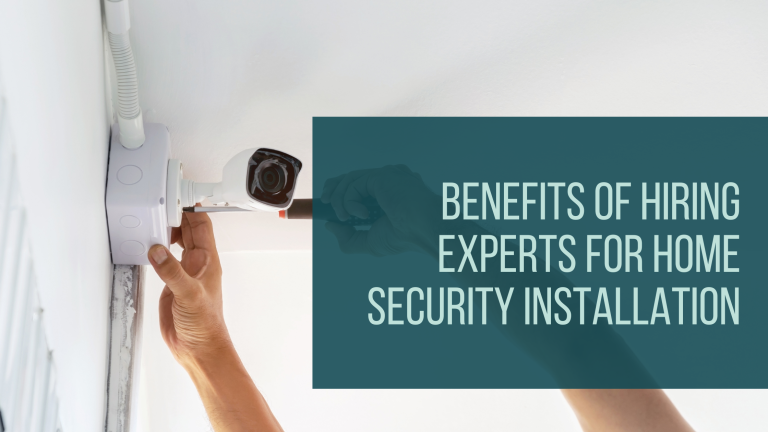
Read Also: Benefits of Hiring Experts for Home Security Installation
Maintenance and Upkeep
Regularly check cameras for dirt, dust, or obstructions. Clean lenses and verify recordings are functioning properly. Keeping firmware updated ensures your cameras remain secure and reliable.
Routine maintenance prolongs the life of your system and ensures consistent performance.
Professional Installation Option
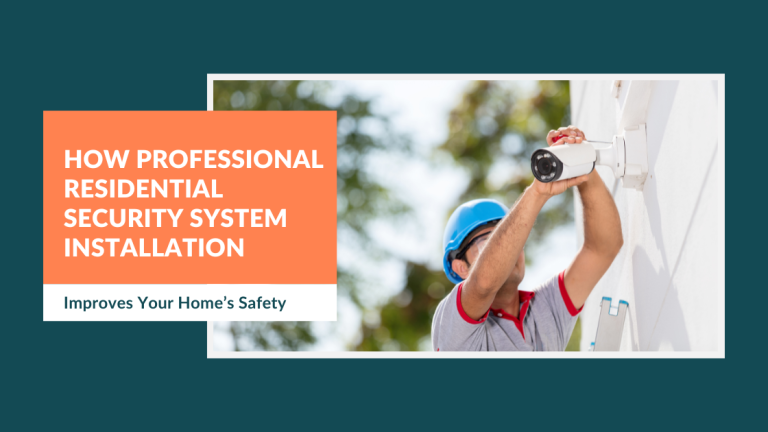
If you are unsure about placement or wiring, professional security camera installation services can help. Experts can design a layout, install cameras efficiently, and provide advice on monitoring and storage. Hiring a professional can save time and give peace of mind that your system is set up correctly for maximum coverage.