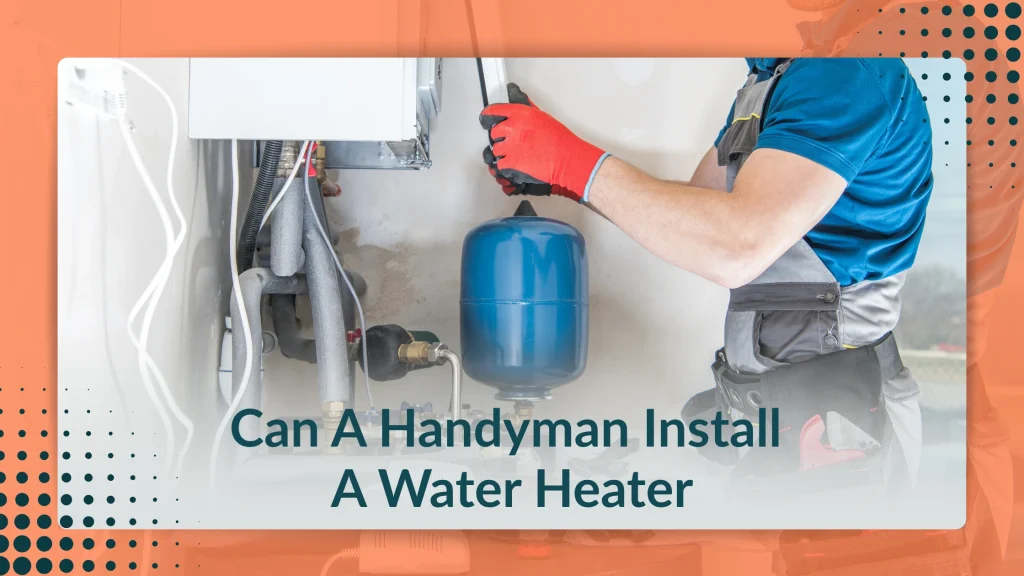

If you are wondering if a handyman can install a water heater, the answer depends on the type of heater, local regulations, and the complexity of the job. In some cases, a handyman can handle basic installations, especially for electric units or replacements with existing connections. However, more complex systems, particularly gas water heaters, may require a licensed professional. Understanding when a handyman is suitable helps you make a safe and cost-effective decision.
Quick Highlights:
A handyman can install some water heaters, especially simple electric replacements
- Works best when existing connections are already in place
- Gas water heaters usually require a licensed professional
- Complex installations must follow safety and building code regulations
- Installation costs vary depending on labor, materials, and job complexity
- Hiring the right professional ensures safety and proper compliance
- Professional installation improves long-term performance and reliability
When Can a Handyman Replace a Water Heater
A handyman can usually handle simple tasks, such as swapping an old unit for a similar one using the same plumbing and electrical connections. Even for simple replacements, some areas require permits or inspections, so it’s important to check local building codes before hiring a handyman. If the installation involves new wiring, gas lines, or changes to your home’s structure, a licensed plumber or electrician is needed.
Why Choose a Handyman for Water Heater Installation
Cost-Effective Service
Hiring a handyman is often more affordable than hiring specialized contractors. For simple installations, this can help reduce overall project costs. It is a practical option when the job does not require advanced expertise.
READ ALSO: Average Handyman Rates in 2026: Repair Cost Guide for Homeowners
Faster Scheduling
Handyman services are typically easier to schedule and more flexible. This means you can get your water heater installed quickly without long waiting times. Fast service is especially useful when you need hot water restored urgently.
Versatile Skill Set
Handymen often have experience in multiple home improvement tasks. This allows them to handle minor plumbing, electrical adjustments, and installation tasks efficiently. Their versatility makes them a convenient choice for straightforward projects.
Convenient One-Stop Solution
A handyman can often handle additional small tasks during the same visit. This saves time and eliminates the need to hire multiple professionals. It is a convenient solution for homeowners managing multiple repairs.
READ ALSO: Seasonal Maintenance Checklist from a Trusted Handyman
What’s Involved in Water Heater Installation
Removing the Old Unit
The process begins with disconnecting and removing the existing water heater. This involves shutting off water, power, or gas supply to ensure safety. Proper removal prevents leaks and prepares the area for the new unit.
Preparing Connections
Before installing the new heater, existing plumbing and electrical connections are inspected. Any necessary adjustments are made to ensure compatibility. Proper preparation ensures the new system operates efficiently.
Installing the New Water Heater
The new unit is positioned and connected to water lines, power, or gas supply. Secure connections are critical to prevent leaks or malfunctions. This step requires careful attention to detail for safe operation.
Testing the System
After installation, the system is tested to ensure everything is working correctly. This includes checking for leaks, verifying temperature settings, and confirming proper operation. Testing ensures the installation is safe and reliable.
What Factors Affect Water Heater Installation Cost
Type of Water Heater
The cost varies depending on whether you choose a tank or tankless system. Tankless units are generally more expensive to install due to additional requirements. The type of heater significantly impacts overall cost.
Labor Complexity
Simple replacements cost less than complex installations requiring new connections. Jobs involving gas lines or electrical upgrades increase labor costs. Complexity is a major factor in pricing.
Materials and Equipment
Additional materials such as pipes, fittings, or mounting hardware can add to the cost. High-quality components improve durability but may increase initial expenses. Investing in good materials ensures long-term performance.
Permits and Inspections
Some installations require permits and inspections, which add to the total cost. These requirements ensure safety and compliance with local codes. Understanding these costs helps you budget accurately.
When Should You Replace Your Water Heater
Age of the Unit
Most water heaters last between 8 to 12 years. If your unit is nearing the end of its lifespan, replacement is often more cost-effective than repairs. Aging units are less efficient and more prone to failure.
Inconsistent Hot Water
Fluctuating temperatures or reduced hot water supply may indicate internal issues. These problems often signal that the heater is no longer functioning properly. Replacement ensures consistent performance.
Visible Leaks or Rust
Leaks or rust around the tank are clear signs of damage. These issues can worsen over time and lead to water damage. Replacing the unit prevents further complications.
Rising Energy Bills
An inefficient water heater consumes more energy to operate. If your energy bills are increasing without explanation, it may be time for a replacement. Newer models offer better efficiency and savings.
READ ALSO: Professional Handyman Services Hiring Pros for Home Projects
Conclusion
Understanding that a handyman can install a water heater helps you make the right choice for your home. While a handyman is suitable for simple replacements, more complex installations may require licensed professionals to ensure safety and compliance. Evaluating your specific needs, budget, and local regulations will help you choose the right solution for long-term reliability.
For a safe and hassle-free experience, consider using our professional Handyman Services to handle your water heater installation efficiently and with confidence.
Frequently Asked Questions
What Type of Water Heater Is Best for My Home
Tank water heaters are typically more affordable upfront and work well for households with moderate hot water needs. Tankless systems, on the other hand, are more energy-efficient, provide hot water on demand, and save space since they don’t require a bulky storage tank. Choosing the right system depends on factors like your budget, household size, water usage patterns, and long-term energy savings goals. Additionally, considerations such as installation requirements, maintenance, and lifespan can help determine which option is the best fit for your home.
Can a Handyman Install a Gas Water Heater
In most cases, gas water heater installation requires a licensed professional due to safety and code regulations. ensuring proper venting, gas connections, and compliance with local building codes.
How Long Does Water Heater Installation Take
Most standard water heater installations take between two and four hours, depending on complexity of the setup and any additional plumbing or electrical adjustments needed.
Do You Need a Permit to Install a Water Heater
Yes, many areas require permits to ensure the installation meets local safety codes and passes official inspections for safety and compliance.
Can You Install a Water Heater Yourself
DIY installation is possible but not recommended, as it carries safety risks, may violate local building codes, and can result in leaks, improper venting, or inefficient operation. Mistakes during installation could also void the manufacturer’s warranty, leading to higher long-term costs