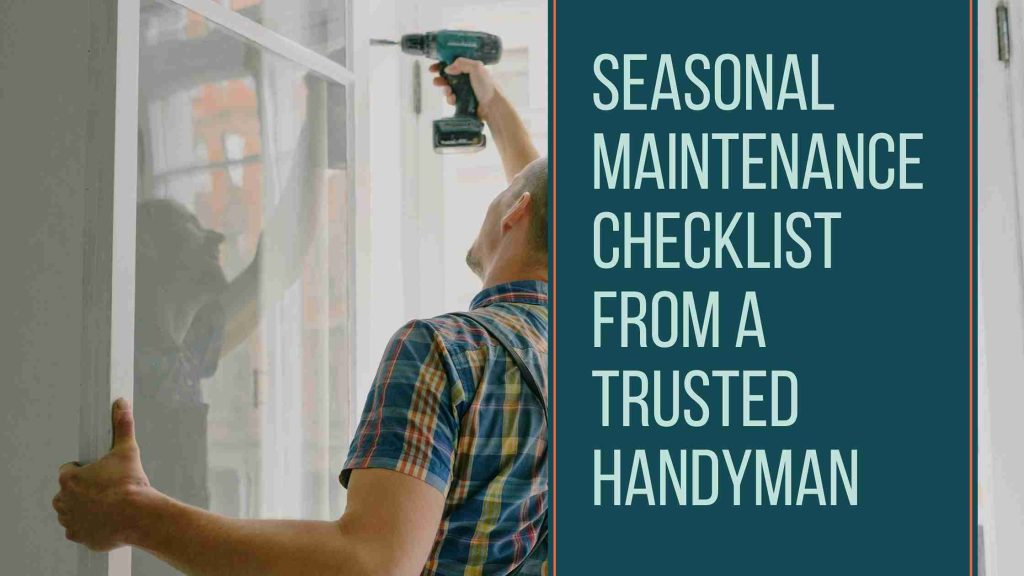

Winter can put a lot of stress on your home. Freezing temperatures, ice, wind, and moisture can leave behind damage that may not become obvious until spring. Before summer arrives, take some time to inspect your home and address small problems before they become more expensive repairs.
Here are the key spring home maintenance tasks to add to your seasonal checklist.
READ ALSO: How to Prevent Rust on Your Stainless Steel Grill
READ ALSO: Top 7 Things to Look for When Hiring a Handyman Near Me
Spring Home Maintenance Checklist
Clean Gutters and Downspouts
Remove leaves, dirt, and debris that accumulated in your gutters during the winter. Make sure water can flow freely through the downspouts and drain away from your foundation. While cleaning, check for sagging sections, loose brackets, or signs of leaks that may need attention.
Inspect the Roof for Winter Damage
Winter weather can leave your roof with missing or damaged shingles, loose flashing, or areas where water can enter the home. Look for visible damage and check your attic or upper ceilings for signs of leaks. If you notice significant damage, have a roofing professional inspect it before spring and summer storms create additional problems.
Power Wash Siding, Decks, and Driveways
Remove dirt, grime, algae, and other buildup that accumulated on exterior surfaces during the colder months. Power washing can help refresh your siding, deck, driveway, and walkways before you start spending more time outdoors. Use the appropriate pressure for each surface to avoid causing damage.
Check and Seal Windows and Doors
Inspect the caulking and weatherstripping around your windows and doors for cracks, gaps, or other signs of wear. Replace damaged seals and repair gaps where necessary to help prevent moisture and outside air from entering your home. Spring is also a good time to replace torn screens and clean window tracks.
Service Your HVAC System Before Summer
Your HVAC system will likely work harder once temperatures rise, so spring is a good time to make sure it is ready. Replace the air filter, test your thermostat, and check for unusual noises or performance issues. Consider scheduling professional HVAC maintenance to identify potential problems before you rely heavily on your air conditioner.
Flush Your Water Heater
Sediment can build up inside a water heater over time and affect its performance. If your system is designed for routine flushing, follow the manufacturer’s instructions or have a qualified professional handle the service. Removing sediment buildup can help keep the system operating efficiently and may help extend its service life.
Inspect Sprinklers and Outdoor Plumbing
Turn on your sprinkler system and check for leaks, damaged sprinkler heads, clogged areas, or uneven water distribution. Inspect outdoor faucets and visible plumbing connections for leaks or winter damage as well. Finding these problems early can help prevent wasted water and more significant repairs later in the season.
Check Siding and the Foundation
Walk around the exterior of your home and look for cracks, warping, discoloration, or other signs of damage. Pay particular attention to the foundation for new cracks or chalky white residue, which can indicate moisture. Address drainage problems quickly if water is collecting near the foundation.
Inspect Your Deck and Outdoor Areas
Winter can leave outdoor structures with loose boards, rot, cracks, or other damage. Check the deck, stairs, railings, and patio areas before using them regularly again. If your deck’s finish is no longer protecting the wood from moisture, spring can also be a good time to reseal it.
Check Your Lawn, Fences, and Gates
Clear away branches, leaves, and other debris left behind by winter. Check fences and gates for loose sections or damage, and trim branches that are touching your home. Inspect the yard for areas where water is pooling, particularly around the foundation and other structures.
Check Plumbing for Leaks
Inspect areas under sinks, around toilets, near appliances, and around exposed plumbing for signs of leaks or moisture. Washing machine hoses should also be checked for cracks, bulges, or other signs of wear. Small leaks are easier and less expensive to address before they cause water damage.
Test Smoke and Carbon Monoxide Detectors
Test every smoke and carbon monoxide detector in your home to make sure they are functioning properly. Replace batteries when needed and check the condition of each device. It is a simple task, but an important part of keeping your home safe throughout the year.
Inspect the Attic and Basement
Look in the attic for signs of roof leaks, moisture, damaged insulation, or pests that may have appeared during winter. In the basement, check for damp areas, standing water, musty odors, or signs of foundation leaks. These spaces can reveal problems that are easy to miss during a normal inspection of the home.
Clean the Dryer Vent and Interior Areas
Spring is also a good opportunity to handle cleaning tasks that are easy to overlook. Clean your dryer vent, wash windows, wipe down ceiling fans and baseboards, and remove accumulated dust and debris. These simple tasks can help freshen up your home after winter and prepare it for the warmer months.
READ ALSO: Monument Grill 6 Burner – The Ultimate BBQ Companion in 2025
READ ALSO: How to Choose the Right Spot for Your Retractable Baby Gate
Tools Pros Use
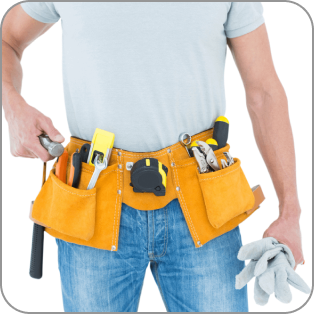
While you may have a basic toolkit at home, professionals carry specialized tools that allow them to handle a wider variety of tasks more safely and efficiently. These tools also ensure precision, which is key for longer-lasting repairs.
Here are just a few tools commonly used by trusted handymen during seasonal home maintenance visits:
READ ALSO: Can a Handyman Install a Ceiling Fan Easily and Safely?
1. Moisture Meters
Moisture meters detect water damage or hidden leaks in drywall, ceilings, and flooring. They’re essential for spotting problems before mold sets in.
2. Infrared Thermometers
Used to find heat loss around windows, doors, and ductwork. Great for fall and winter prep to identify where extra insulation is needed.
3. Stud Finders & Voltage Testers
Before drilling into walls, pros use these to avoid wires and pipes. Perfect for hanging holiday lights or wall-mounting devices during the winter.
4. Gutter Scoops and Pressure Washers
Clearing gutters in the fall and spring is easier and safer with the right tools. Pros also use telescopic tools to avoid damaging roof shingles.
5. Extension Ladders & Safety Harnesses
Homeowners often avoid high-reach tasks because of safety concerns. A handyman is trained to use ladders and harnesses correctly, making it safer to perform roof inspections or clean second-story windows.
By relying on professionals who use the right tools, you get faster results, fewer mistakes, and a safer home.
READ ALSO: Ensuring Sturdy and Secure Furniture Assembly
When to Call a Handyman
Some seasonal tasks are simple—others can be time-consuming, dangerous, or just outside your comfort zone. Knowing when to bring in a professional is part of being a smart homeowner.
Here’s when it makes sense to hire help:
1. You Don’t Have Time
Modern life is busy, and maintaining your home every season takes time. If you’re overwhelmed or behind, a handyman can knock out your handyman checklist in one or two visits, freeing up your weekends.
2. The Job Requires Specialized Skills
Tasks like checking your electrical system, repairing roofing, or diagnosing HVAC issues are better left to trained pros. Attempting these on your own can be risky or lead to more costly mistakes.
3. You Want Preventative Maintenance
Preventative work keeps small issues from turning into big problems. A handyman can perform a seasonal inspection and recommend repairs before they become urgent (or expensive). This can save you hundreds in emergency fixes.
4. You’re Preparing to Sell or Rent
Before putting your home on the market, it’s wise to have a seasonal walk-through and touch-up list completed. This ensures everything is in good shape for inspections and buyers.
Search for a reliable professional with experience in spring and fall home tasks and ask about seasonal packages. Many handyman services now offer maintenance contracts tailored to your home’s needs and local climate.
READ ALSO: How to Choose the Best Local Handyman for Home Repairs
Get Your Home Ready for Summer
Spring maintenance is an opportunity to catch problems while they are still manageable. By working through your checklist now, you can address winter damage, prepare essential systems for warmer weather, and reduce the chance of unexpected repairs during the summer.
If you have maintenance tasks that are difficult to handle yourself, Fixtman can help with a range of home maintenance and handyman projects.