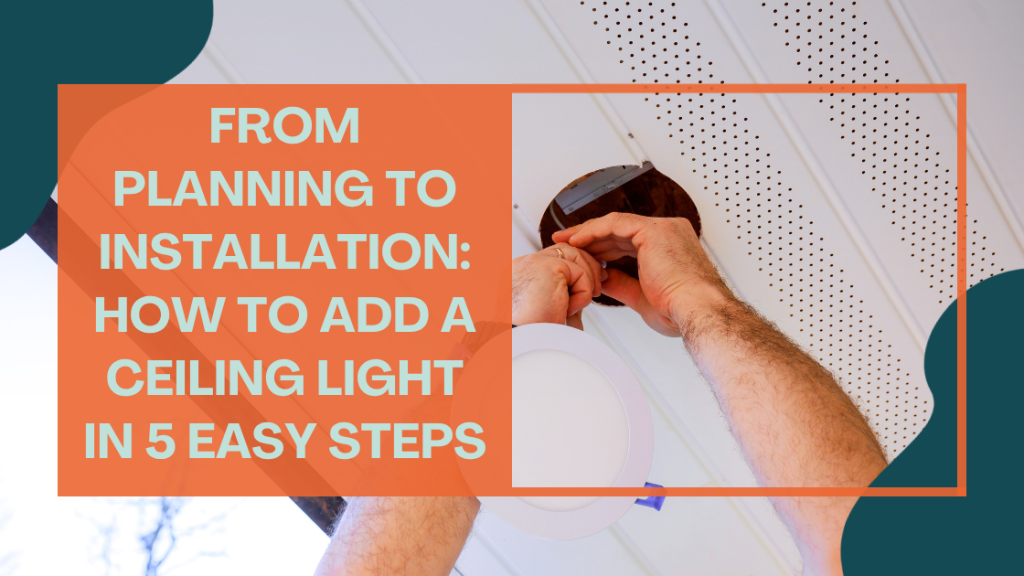

Installing a ceiling light is important to improve the functionality and appearance of any room. Proper installation of your light at the ceiling ensures you have safe operation, reliable performance, and long-term efficiency. But, how could you add a ceiling light at your home? In this article, we will guide you to understand each step of how to add a ceiling light at your home in an easy and safe way. Let’s break down the information below.
Read Also: Can a Handyman Install Recessed Lighting Safely and Efficiently?
Benefits of Adding a Ceiling Light At Home?
Before we talk about how to add a ceiling light, better if you understand what the benefits of adding a ceiling light are, especially for your home’s appearance:
1. Improved Room Brightness
The first benefit when you add ceiling light to your home is improved room brightness significantly. Ceiling lighting spreads illumination evenly across the entire space, making rooms feel more open and comfortable.
2. Enhanced Interior Appearance
Second, with a ceiling light in your home, you can also improve the appearance of your room. Because currently there are so many options for ceiling light styles that have a function as a decorative property as well. Right Lighting influences how colors and textures appear, helping rooms feel more polished and cohesive.
3. Increased Property Value
Next, a ceiling light can help you to increase property value significantly. As we mentioned before, many ceiling lights right now have a function as a decorative property as well. So, updating light at your home with this helps to improve your home’s appearance, which can directly impact the value of the home.
4. Better Use of Space
Ceiling lights free up floor and table space that would otherwise be occupied by lamps. This is especially helpful if you have smaller rooms but are confused about where the best spot to put the light. With this improvement, you can maximize usable space, improve comfort, and movement.
READ ALSO: How to Install Hanging Lights Safely and Easily
Types of Ceiling Lights You Can Install
1. Flush Mount Ceiling Lights
Flush-mount fixtures attach directly to the ceiling and provide even lighting without hanging down. They are ideal for rooms with limited ceiling height.
2. Semi-Flush Mount Lights
These fixtures hang slightly below the ceiling, creating both functional illumination and decorative appeal. They provide broader light distribution while adding visual interest to the room.
3. Chandeliers
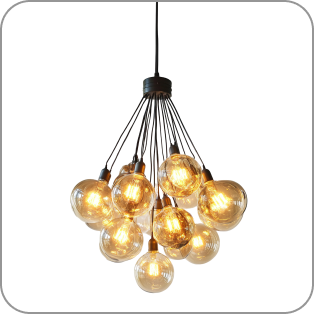
Chandeliers are statement lighting fixtures often used in dining rooms or entryways. They provide strong illumination while serving as decorative centerpieces.
4. Pendant Lights
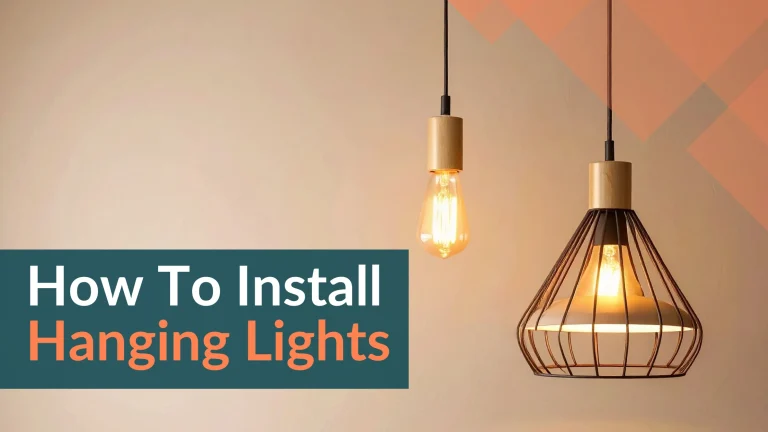
Pendant lights hang from cords or rods and provide focused lighting. They are commonly installed above kitchen islands or dining areas where direct illumination is needed.
5. Recessed Lighting
Recessed lights are installed inside the ceiling, creating a clean and modern appearance. They distribute light evenly without visible fixtures, making them ideal for minimalist designs.
READ ALSO: How to Install Hanging Lights Safely and Easily
Tools and Materials Required to Add a Ceiling Light
1. Electrical Testing Tools
Voltage testers confirm that electrical power is completely off before installation begins. This step is essential for preventing electrical accidents and ensuring safe handling of wires.
2. Basic Installation Tools
Screwdrivers, pliers, and wire strippers are required to remove existing fixtures, prepare wires, and secure new components. These tools ensure connections are stable and properly installed.
3. Mounting Hardware
Electrical boxes and mounting brackets support the light fixture and keep it firmly attached to the ceiling structure. Proper hardware prevents shifting and ensures long-term safety.
4. Wiring Supplies
Wire connectors and electrical tape secure and insulate electrical connections. These materials help prevent loose wiring and maintain consistent power flow.
5. Safety Equipment
A sturdy ladder, protective gloves, and safety glasses reduce the risk of falls and injuries. Proper safety preparation is essential when working above ground level.
Guide How to Add a Ceiling Light
Turn Off Electrical Power
Before beginning, shut off the power at the circuit breaker and verify with a voltage tester. This step protects you from electrical shock and ensures safe working conditions.
Choose and Mark the Installation Location
Select the correct position for the fixture based on lighting needs and ceiling structure. Mark the area carefully to ensure proper alignment and support.
Install a Ceiling Electrical Box
Secure an electrical box to a ceiling joist or support brace. This provides a stable base capable of holding the fixture safely.
Run or Connect Wiring
If wiring already exists, prepare it for connection. If not, route electrical cable safely from a power source to the new installation point.
Connect the Fixture Wires
Match and connect the live, neutral, and ground wires according to instructions. Secure connections tightly to prevent flickering or power issues.
Mount the Light Fixture
Attach the fixture to the mounting bracket and ensure it is firmly secured. Confirm that all components are aligned and stable.
Restore Power and Test the Light
Turn electricity back on and test the fixture. Check that the light operates correctly and remains securely mounted.
READ ALSO: Can a Handyman Install Recessed Lighting Safely and Efficiently?
Common Ceiling Light Installation Problems and How to Fix Them
No Existing Wiring
When wiring is not available, new electrical connections must be installed from a nearby power source. This often requires professional expertise to meet safety standards.
Fixture Does Not Sit Properly
Improper bracket alignment or an uneven electrical box can prevent the fixture from sitting flush. Repositioning the mounting hardware usually resolves this issue.
Light Flickers or Fails to Turn On
Loose connections or incompatible bulbs can cause irregular operation. Inspect wiring and ensure proper electrical contact.
Ceiling Cannot Support Fixture Weight
Heavy fixtures require reinforced electrical boxes attached to structural framing. Installing proper support prevents damage or falling fixtures.
When You Should Call a Professional Electrician
Professional help is recommended when new wiring must be installed, circuits need modification, or heavy fixtures require structural reinforcement. Electrical work must meet safety standards and building codes to prevent hazards. Many homeowners choose professional installation to ensure secure wiring, proper mounting, and reliable performance. Expert technicians from Fixtman can handle complex installations safely and efficiently.
Cost to Add a Ceiling Light
- Standard ceiling light installation: about $70 – $250 per light, including labor and basic fixture cost.
- Recessed (down) lights: typically $130 – $300 per light because they need more wiring/cutting.
- Electrician rates: Many pros charge roughly $50 – $150 per hour for lighting work.
Upgrade Your Lighting with Professional Installation Services
Professional installation ensures your ceiling light is wired safely, mounted securely, and functioning perfectly. Expert technicians reduce risk, prevent costly mistakes, and complete the work efficiently. Book professional lighting installation today through Light Fixture Installation services to enjoy reliable, high-quality results.
Frequently Asked Questions About Adding a Ceiling Light
Can You Add a Ceiling Light Without Existing Wiring?
Yes, but it requires installing new electrical wiring from a power source. This process can be complex and often requires professional assistance.
How Long Does It Take to Install a Ceiling Light?
Replacing an existing fixture usually takes less than an hour. Installing new wiring or structural support can take several hours.
Do You Need an Electrician to Install a Ceiling Light?
Simple replacements can sometimes be completed independently, but complex wiring or heavy fixtures should always be handled by a professional.
How Much Weight Can a Ceiling Electrical Box Hold?
Standard electrical boxes support moderate fixture weights. Heavier lights require reinforced boxes attached to structural framing.
Can You Install a Ceiling Light on Drywall Only?
No. Fixtures must be anchored to ceiling joists or approved support braces to ensure stability and safety.
What Is the Best Type of Ceiling Light for Low Ceilings?
Flush-mount or recessed lighting is typically best because these fixtures do not hang down and maximize vertical space.