


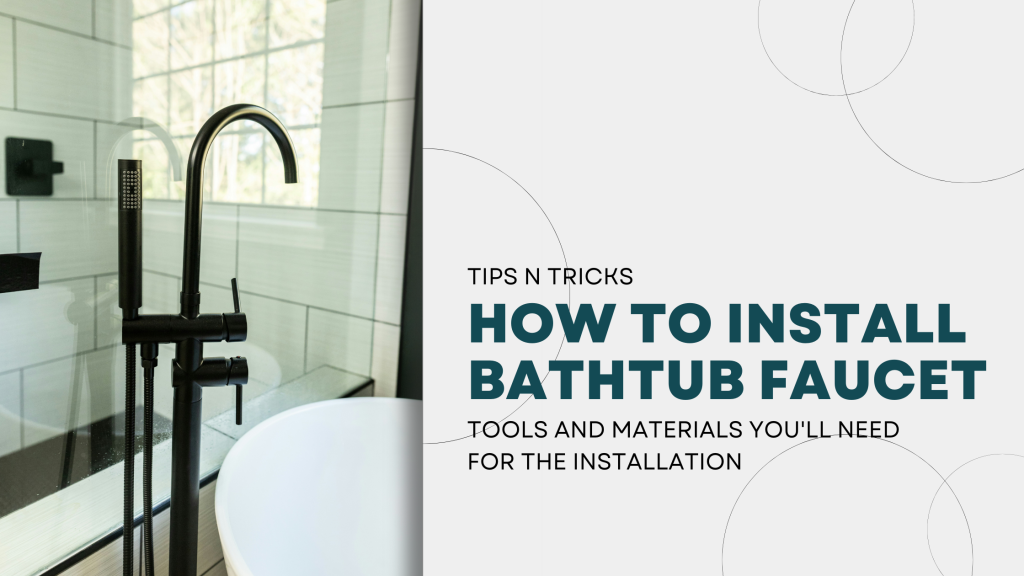

Replacing or installing a bathtub faucet might seem intimidating, but with the right guidance, it can be a straightforward process. Many homeowners wonder how to install bathtub faucet without causing leaks, damaging pipes, or dealing with frustrating drips. Proper installation ensures smooth water flow, long-lasting performance, and a bathroom that looks polished and professional.If you prefer professional help, services like install bathtub faucet take care of everything from shutting off water, removing old fixtures, and mounting the new faucet perfectly. This guarantees a leak-free installation and gives homeowners peace of mind that the job is done right the first time.
Tools and Materials You’ll Need for the Installation
Before beginning, gather all necessary tools and materials to ensure the process goes smoothly. You’ll typically need a basin wrench, adjustable wrench, plumber’s tape, screwdrivers, silicone sealant, and sometimes pipe fittings depending on your bathroom’s setup. Having everything ready before you start saves time and prevents frustration. It also ensures you don’t have to pause midway to hunt for tools or replacement parts. Always check that your new bathtub faucet comes with mounting hardware and instructions, as each model can vary slightly.
How to Install Bathtub Faucet
Cutting of Water Supply
Start by turning off the water supply to the bathroom. Open the existing faucet to drain any remaining water from the pipes. If you’re replacing an old faucet, remove it carefully by loosening the mounting nuts or screws.
Sealing and Connecting the Pipes
Next, clean the pipe threads and surrounding area to ensure a proper seal. Apply plumber’s tape around the threads to prevent leaks. Position the new faucet according to the manufacturer’s instructions and secure it using the provided nuts or screws.
Adjustments
After tightening the connections, turn the water back on and check for leaks. Adjust if necessary and apply silicone sealant around any edges that need a watertight finish. Test both hot and cold water to confirm proper functionality.
Experts Hiring
Professional services that install bathtub faucet can also ensure your new fixture is aligned perfectly, preventing awkward drips or misaligned handles. They handle everything from precise measurements to tight seals, saving you both time and stress.
Common Types of Bathtub Faucets
Bathtub faucets come in several styles, each with slightly different installation steps.
Wall mounted Faucets
Wall-mounted faucets are attached to the bathroom wall above the tub and require careful alignment with water supply pipes.
Deck mounted Faucets
Deck-mounted faucets are installed on the rim of the bathtub, usually on a flat, stable surface, and are often easier to replace.
Tub and Shower Combo Faucets
Tub and shower combo faucets include a diverter that allows water to switch from the tub to the shower. Proper installation ensures the diverter works smoothly and prevents leaks, maintaining both function and aesthetics.
Knowing your faucet type in advance helps you gather the correct tools and anticipate any challenges during installation. Each style has its own considerations for mounting, pipe connections, and sealing, so understanding the type you’re working with is key.
Tips to Ensure a Leak-Free Installation
Even a small leak can become a major issue over time, so taking precautions is essential. Always use plumber’s tape on threaded connections, tighten nuts without over-torquing, and apply silicone sealant where recommended. Double-check alignment before securing the faucet fully, and test water flow once installation is complete. Watch for drips at all joints, handles, and spouts. If you notice any issues, address them immediately rather than leaving it to chance. If you’re unsure about any step, professional services that install bathtub faucet can prevent costly mistakes and ensure your installation is safe, efficient, and leak-free from day one.
FAQs about Installing a Bathtub Faucet
Can I replace a bathtub faucet myself?
Yes, with some basic plumbing knowledge, you can replace a bathtub faucet yourself. However, mistakes like cross-threaded pipes, improper sealing, or uneven mounting can lead to leaks or damage. Professional installation is recommended for anyone unsure about their skills.
Do you have to shut off water to change a bathtub faucet?
Absolutely. Turning off the water supply is essential before removing an old faucet or installing a new one. Failure to do so can result in flooding, water damage, and a messy cleanup.
Do bathtub faucets screw on?
Most modern faucets are either threaded to screw onto the supply pipes or come with mounting hardware that clamps the faucet securely. Following manufacturer instructions ensures a tight, secure fit.
Installing a bathtub faucet might seem like a small project, but it’s critical for maintaining a functional and attractive bathroom. Proper tools, careful installation, and attention to detail make the process smoother and reduce the risk of leaks or uneven handles.
For those who want a stress-free, perfect installation, professional services that install bathtub faucet are a smart choice. Technicians ensure the faucet is aligned, secure, and fully operational, letting homeowners enjoy their new fixture without worry.
