
Highlights:
- Hanging doors save space and give any room a modern look
- Accurate measurements make doors slide smoothly
- Good tracks and rollers let doors move effortlessly
- Sliding, barn, mirrored, or bypass doors fit any style
- A sturdy header keeps doors strong and prevents sagging
- Proper alignment stops sticking, wobbling, or uneven sliding
- Professional installation ensures secure, long-lasting doors
Installing hanging closet doors is a smart way to save space and give your room a clean, modern look. These sliding doors glide smoothly on a top track, eliminating the need for swing space and creating a sleek finish. With proper planning, accurate measurements, and the right tools, you can achieve a professional result that’s both functional and stylish. Whether you’re doing it yourself or hiring a professional, understanding how to install hanging closet doors ensures long-lasting, smooth operation.
READ ALSO: How to Install Hanger Bolts – Full Guide
What Are Hanging Closet Doors and How Do They Work
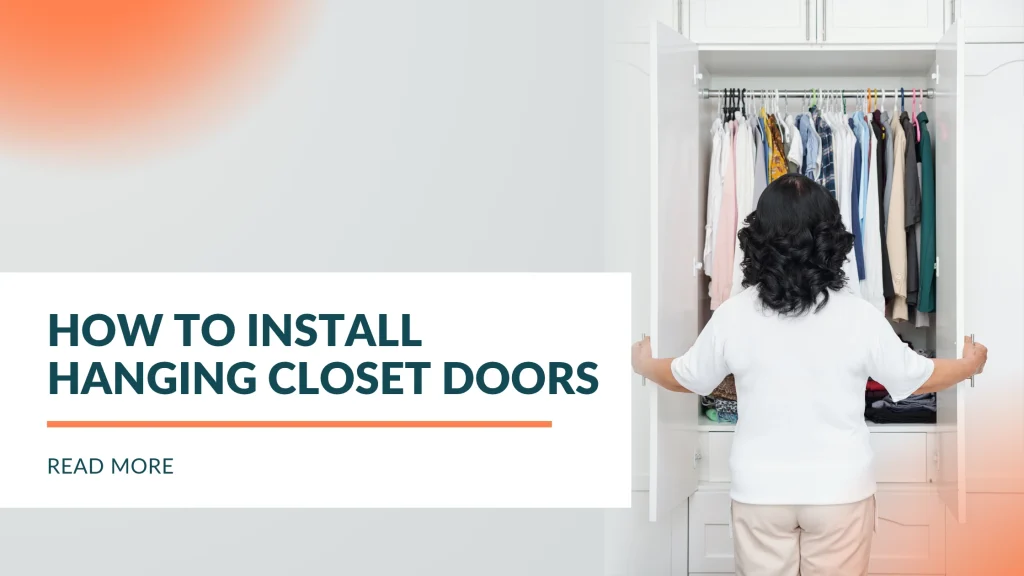
Hanging closet doors are sliding doors that are suspended from a track mounted at the top of the closet opening. Unlike traditional doors, they do not rely heavily on a bottom track, which allows for smoother movement and a cleaner look. The doors glide along rollers attached to the top rail, making them easy to open and close.
Types of Hanging Closet Doors
Sliding Closet Doors
Sliding doors move horizontally along a track and are ideal for saving space. They are commonly used in bedrooms and closets where swing space is limited. This type offers a sleek and modern appearance.
Bypass Doors
Bypass doors consist of two or more panels that slide past each other. They are practical for wider closet openings. This design allows partial access to the closet at any given time.
Barn Style Closet Doors
Barn-style doors hang from a visible track and add a decorative element to the room. They are both functional and stylish. This option is popular for modern and rustic interiors.
Mirrored Closet Doors
Mirrored doors combine functionality with design by adding reflective surfaces. They help make rooms appear larger and brighter. This type is especially useful in smaller spaces.
READ ALSO: How to Secure Hanging Cabinets on Concrete Without Damaging the Wall
Benefits of Hanging Closet Doors
Space Saving Design
Hanging closet doors do not require swing space, making them ideal for compact rooms. This allows you to maximize available floor space. It is a practical solution for modern living environments.
Smooth Operation
The top-track system allows doors to glide smoothly with minimal effort. Proper installation ensures quiet and efficient movement. This enhances daily usability and convenience.
Modern Appearance
These doors offer a clean and contemporary look. They blend well with various interior styles and designs. Their sleek design improves the overall aesthetics of your space.
Easy Maintenance
With fewer moving parts at the bottom, maintenance is minimal. Cleaning and adjustments are easier compared to traditional doors. This makes them a low-maintenance option for homeowners.
Tools and Materials Needed to Install Hanging Closet Doors
Measuring Tape
A measuring tape is essential for accurate dimensions of the closet opening. Proper measurements ensure the doors fit perfectly. This step prevents alignment issues later.
Drill and Screws
A drill is used to secure the track and brackets to the wall or header. Strong screws ensure the system remains stable over time. Proper fastening is critical for safety.
Level
A level ensures that the track is installed straight. Even slight misalignment can affect door movement. Using a level helps achieve smooth operation.
Door Track and Rollers
The track and rollers are key components of the system. They allow the doors to slide effortlessly. High-quality hardware improves durability and performance.
Hanging Closet Doors
Choosing the right doors is essential for both function and design. Make sure they match the size and style of your space. Quality doors enhance the final result.
READ ALSO: How to Hang Something on the Wall
How to Measure for Hanging Closet Doors
Measure the Width
Start by measuring the width of the closet opening from one side to the other. Accurate width ensures proper door coverage. This helps avoid gaps or overlap issues.
Measure the Height
Measure from the floor to the top of the opening. This determines the correct door size and track placement. Proper height ensures smooth installation and operation.
Check for Level Surfaces
Ensure the floor and ceiling are level before installation. Uneven surfaces can affect alignment and door movement. Addressing this early prevents future problems.
Allow for Clearance
Leave enough space for the track and rollers to function properly. Clearance ensures the doors can slide without obstruction. This step is essential for smooth operation.
Step by Step Guide on How to Install Hanging Closet Doors
Install the Track
Begin by mounting the track at the top of the closet opening. Use a level to ensure it is straight before securing it with screws. A properly installed track is crucial for smooth door movement.
Attach Rollers to Doors
Install rollers on the top edge of each door panel. These rollers allow the doors to glide along the track. Secure them tightly to ensure stability.
Hang the Doors
Lift the doors and place the rollers onto the track. Make sure each door is properly aligned and balanced. This step may require assistance for heavier panels.
Adjust the Alignment
Adjust the rollers to ensure the doors hang evenly. Proper alignment prevents sticking or uneven movement. Take time to fine-tune for best results.
Test the Operation
Slide the doors back and forth to check functionality. Ensure they move smoothly without resistance. Final testing confirms a successful installation.
Common Mistakes When Installing Hanging Closet Doors
Incorrect Measurements
Inaccurate measurements can lead to poor fitting doors. This may cause gaps or difficulty in operation. Always double-check dimensions before installation.
Uneven Track Installation
Installing the track at an angle can affect door movement. This results in uneven sliding and potential damage. Using a level helps avoid this issue.
Poor Roller Installation
Loose or improperly installed rollers can cause instability. This may lead to noise or difficulty in movement. Secure installation ensures smooth performance.
Ignoring Clearance Requirements
Not allowing enough space for the doors to move can cause obstruction. This affects functionality and usability. Proper clearance is essential for smooth operation.
Conclusion
Learning how to install hanging closet doors helps you improve both functionality and style in your home. While the process can be done as a DIY project, achieving perfect alignment and smooth operation requires precision. If you want a hassle-free experience, our professional hanging installation service ensures accurate setup, secure mounting, and long-lasting performance.
Frequently Asked Questions
How high should a hanging closet door track be installed?
The track should be installed slightly above the door height to allow proper clearance for smooth sliding. This ensures the door doesn’t rub against the floor or frame. Make sure to measure carefully and level the track for consistent operation.
Do hanging closet doors need a bottom track?
Most hanging closet doors do not require a bottom track, but a guide may be used for stability. A bottom guide prevents the door from swinging or wobbling while opening and closing.
Can you install hanging closet doors without a header?
Yes, without a sturdy header, the track may sag or pull away from the wall over time. Using a header ensures long-term stability and prevents damage to both the door and the wall.
How much clearance is needed for sliding closet doors?
Typically, about 1 to 2 inches of clearance is needed for proper operation and alignment. This allows the door to slide freely without scraping the floor or ceiling. Extra clearance may be needed if the floor isn’t perfectly level or if the door has hardware that protrudes