


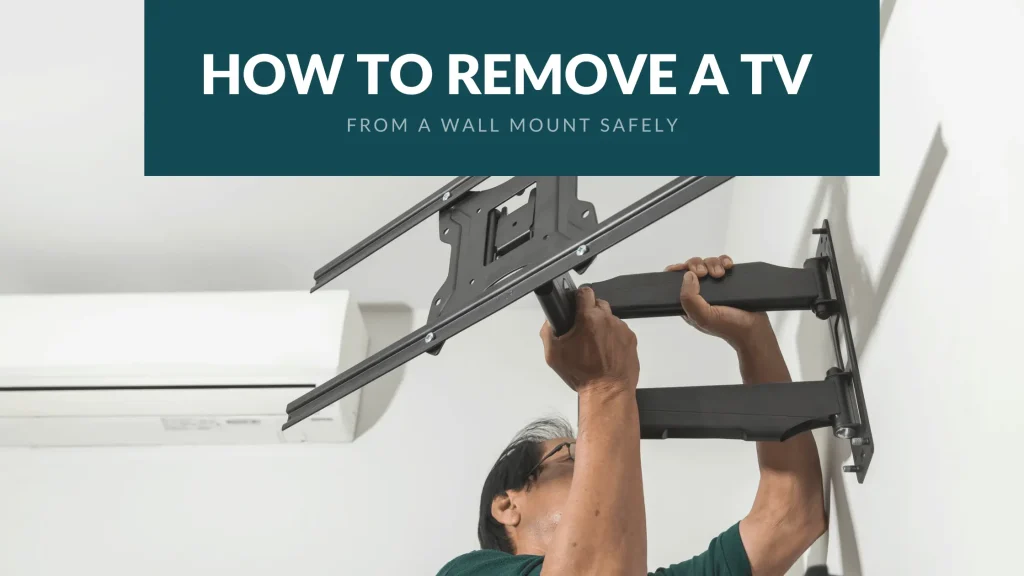

At some point, almost every homeowner needs to take their TV off the wall. Maybe you are moving to a new place, upgrading to a bigger screen, repainting the room, or simply rearranging furniture. If the setup feels complicated or you are unsure about the mount type, getting help from a professional TV Wall Mounting service can make the process stress-free. Experienced technicians know exactly how to detach TVs without damaging mounting hardware, wiring, or drywall, especially when mounts are hidden or tightly secured.
Common Reasons for TV Removal
Moving, Upgrading, or Repositioning
One of the most common reasons people remove a TV from the wall is relocation. When moving to a new home, wall-mounted TVs need to be taken down carefully to avoid screen damage during transport. Another frequent reason is upgrading to a larger or newer TV that requires a different mount or a new placement on the wall.
Temporary Removal for Home Projects
Some homeowners remove their TV temporarily to paint, install shelves, or repair wiring hidden behind the wall. In other cases, the original mounting height wasn’t ideal and needs adjustment. No matter the reason, TV removal isn’t something to rush. A little preparation and the right support go a long way toward avoiding costly mistakes.
Tools You’ll Need to Get Started
Gathering the Right Equipment
Before touching the TV or mount, it’s important to gather all the tools you’ll need. Most wall mounts are secured with bolts, screws, or locking mechanisms that require specific tools. Having everything ready helps keep the process smooth and reduces unnecessary strain.
Safety and Support Essentials
You’ll typically need a screwdriver or wrench that matches your mount hardware, a step ladder for proper reach, and protective gloves for better grip. Prepare a soft surface, such as a blanket or foam pad, on the floor to place the TV safely once it’s removed. Most importantly, having a second person to help support and guide the TV is strongly recommended.
Step-by-Step Safe Removal Process
Disconnecting and Preparing
Start by turning off the TV and unplugging all connected cables. This includes the power cord, HDMI cables, and any external devices. Organizing or lightly labeling the cables now will make reconnecting everything later much easier.
Releasing the Mount Safely
Next, locate the locking mechanism on the wall mount. Some mounts use safety screws at the bottom, while others rely on spring locks or brackets. Carefully loosen these while supporting the TV from underneath. This step is much safer with a second person helping hold the weight.
Removing and Placing the TV
Once the locks are released, slowly lift the TV upward or pull it outward, depending on the mount style. Keep movements steady and controlled. As soon as the TV is free, place it screen-side up on the prepared surface. Avoid leaning the TV directly against a wall without padding, as this increases the risk of screen damage.
Understanding Common Wall Mount Styles
Fixed Wall Mounts
Fixed mounts are the simplest type and hold the TV flat against the wall. These typically require lifting the TV straight upward to release it from the mounting brackets.
Tilting Wall Mounts
Tilting mounts allow the TV to angle downward and often include extra safety screws to prevent accidental removal. These screws must be loosened before the TV can come off the mount.
Full Motion Wall Mounts
Full motion mounts offer the most flexibility, allowing the TV to extend, swivel, and rotate. While convenient, they include more moving parts and hardware. Removing a TV from this type of mount requires extra care to avoid sudden shifts in weight or pinched fingers. Knowing your mount type helps you anticipate how the TV will detach and where locking points are located.
Pro Tips for Different Mount Types
Tips for Fixed and Tilting Mounts
With fixed mounts, always check for hidden screws underneath the TV. These are easy to overlook and can make removal frustrating if missed. For tilting mounts, adjust the angle first to gain easier access to locking points.
Handling Full Motion Mounts
For full motion mounts, bring the TV into a centered, stable position before loosening any hardware. This reduces torque on the mount and keeps the TV balanced. In every case, never force the TV off the mount. If it doesn’t release smoothly, double-check for missed fasteners. When in doubt, professional assistance helps keep both your TV and wall damage-free.
Conclusion
Removing a TV from a wall mount may seem simple, but it requires patience, the right tools, and careful coordination. Taking shortcuts or attempting to lift the TV alone increases the risk of damage or injury. By understanding your mount type and following a safe, methodical process, you can remove your TV with confidence and protect your investment.
For homeowners who want peace of mind and zero hassle, professional TV Wall Mounting services are the safest option. Whether you’re moving, upgrading, or remounting, expert assistance ensures everything is handled correctly from start to finish.
