Creating a home gym setup does not mean filling an entire room with expensive fitness equipment. The best setup starts with your workout goals, available space, and budget, then adds equipment that you will actually use.
Whether you are converting a garage, spare bedroom, basement, or small apartment corner, the process is similar: choose the right space, measure it, plan the layout, prioritize essential equipment, and make sure everything can be used safely. Planning these details before you start buying equipment can help you avoid wasting money on machines that do not fit your routine or your home.
What Do You Need to Create a Home Gym?
A functional home gym needs more than exercise equipment. Before buying anything, plan these five things:
Workout goals
Decide whether you mainly want strength training, cardio, weight loss, mobility, or a combination of activities.
Available space
Measure the floor area and ceiling height and identify doors, windows, outlets, and other obstacles.
Budget
Decide what you can comfortably spend now and what equipment can wait until later.
Equipment
Prioritize versatile equipment that supports several exercises instead of buying everything at once.
Safety and organization
Plan flooring, equipment placement, storage, and enough clear space to exercise without hitting furniture or other equipment.
READ ALSO: How to Safely Install Heavy Fitness Equipment
How to Create a Home Gym Setup Step by Step
1. Define Your Workout Goals
Start with the workouts you actually plan to do. Your goals should determine your equipment, not the other way around.
If strength training is your priority, you may need adjustable dumbbells, kettlebells, a bench, resistance bands, or eventually a rack and barbell. If you mainly want cardio, a jump rope, stationary bike, treadmill, or rowing machine may make more sense.
For general fitness, start with equipment that covers multiple types of movement. Adjustable dumbbells, resistance bands, a workout mat, and a bench can support a wide range of exercises without taking up as much room as several single-purpose machines.
Ask yourself:
- What type of workouts will I do most often?
- How many people will use the gym?
- How often will I realistically work out?
- Which equipment do I already own?
- What equipment would I use at least several times per week?
Buying equipment that matches your actual routine is more useful than buying equipment simply because it looks impressive.
2. Choose and Measure Your Space
You do not need a dedicated fitness room to create a home gym. A garage, basement, spare bedroom, office corner, or part of a larger room can work.
Before purchasing equipment, measure:
- Length and width: Make sure your equipment fits without blocking normal movement.
- Ceiling height: Check this before buying equipment used for overhead exercises or pull-ups.
- Doorways: Measure entrances if you plan to bring large machines or racks into the room.
- Windows and walls: Consider where equipment, mirrors, or storage can be positioned.
- Electrical outlets: Important for treadmills, bikes, TVs, fans, and other powered equipment.
- Walking paths: Leave enough room to move around the equipment safely.
Do not plan only for the equipment’s footprint. Think about how much space you need to use it.
For example, a treadmill may physically fit against a wall, but the area around it still needs to remain accessible. A bench may fit between two pieces of equipment but become difficult to use if there is no room to move around it.
3. Set a Realistic Home Gym Budget
You do not need to buy everything at once.
A better approach is to divide your budget into stages.
Starter setup
Focus on versatile equipment such as:
- Adjustable dumbbells
- Resistance bands
- Exercise mat
- Kettlebell
- Jump rope
Mid-range setup
Once you know what you use regularly, consider adding:
- Adjustable bench
- More weight options
- Pull-up equipment
- Stationary bike
- Rowing machine
- Additional storage
Advanced setup
A larger budget and dedicated space may allow you to add:
- Power rack
- Barbell and plates
- Cable machine
- Treadmill
- Specialty machines
- Larger storage systems
Buying in stages also gives you time to identify what is actually missing from your setup.
4. Plan the Layout Before Buying Equipment
A common mistake is buying equipment first and figuring out where everything goes afterward.
Instead, sketch the room before you shop.
Create separate areas for:
- Strength training: Dumbbells, benches, racks, and weights.
- Cardio: Treadmills, bikes, rowers, or open space for jumping and conditioning.
- Floor workouts: Mats for stretching, bodyweight exercises, yoga, or mobility work.
- Storage: Racks, shelves, hooks, and bins for smaller equipment.
- Movement: Clear paths between equipment and around the room.
Think about how one piece of equipment affects another. If a bench needs to be moved during different exercises, leave enough clearance around it. If you use a rack, make sure there is sufficient room to approach it and move weights safely.
5. Choose Essential Equipment for Your Workout
There is no universal home gym equipment list. The right equipment depends on your goals and space.
Strength Training Equipment
Useful options include:
- Adjustable dumbbells: A space-efficient option for presses, rows, squats, lunges, and many other exercises.
- Resistance bands: Lightweight and easy to store while providing additional resistance for many movements.
- Kettlebells: Useful for swings, carries, squats, presses, and other full-body movements.
- Adjustable bench: Adds more exercise options when paired with dumbbells or other weights.
- Barbell and plates: More suitable for users who plan to perform heavier strength training.
- Power rack or squat rack: Useful for barbell exercises when the space and training style justify the investment.
Start with equipment that gives you the most exercise options for the amount of space and money you have.
Cardio Equipment
Your cardio equipment should match both your goals and available space.
Common options include:
- Jump rope: Affordable and easy to store.
- Stationary bike: Useful when you want low-impact cardio and have limited floor space.
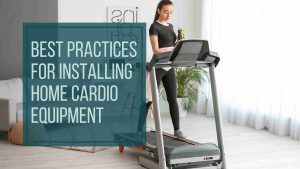
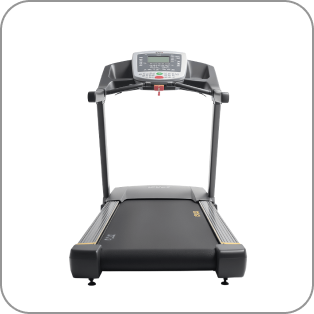
- Treadmill: Suitable for walking, running, and incline workouts but requires more space.
- Rowing machine: Provides a full-body cardio option but needs enough room for movement and storage.
- Elliptical: A larger option for low-impact cardio.
Do not buy a large cardio machine simply because it is popular. If you rarely use it, it can quickly become an expensive piece of furniture.
Mobility and Recovery Equipment
A basic setup can also include:
- Exercise mat
- Foam roller
- Mobility bands
- Stretching accessories
These items take relatively little space and can make the gym useful beyond strength and cardio workouts.
6. Match the Equipment to Your Available Space
Your space should influence what you buy.
For a small apartment or bedroom
Prioritize:
- Adjustable dumbbells
- Resistance bands
- Exercise mat
- Foldable bench
- Compact cardio equipment
Use vertical storage where possible and choose equipment that can be stored after a workout.
For a medium-sized room
You can combine:
- Dumbbells
- Bench
- Kettlebells
- Resistance bands
- Mat
- One cardio machine
Create separate areas instead of placing every item together.
For a garage or dedicated gym
A larger space gives you more flexibility for:
- Power rack
- Barbell and plates
- Adjustable bench
- Dumbbells
- Cable equipment
- Cardio machines
- Dedicated storage
Measure the room carefully before purchasing large equipment, especially if the garage must still be used for parking or household storage.
7. Choose the Right Flooring
Your flooring protects both your home and your equipment.
Common choices include:
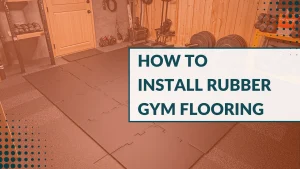
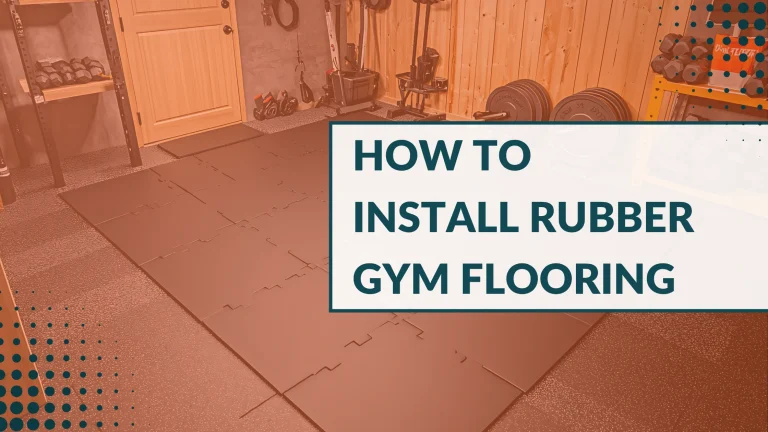
- Rubber flooring: Useful for heavier equipment and impact protection.
- Interlocking rubber tiles: Convenient when covering a larger area.
- Exercise mats: Suitable for lighter workouts, stretching, and floor exercises.
- Protective pads: Useful underneath certain machines or equipment.
Consider the type of exercise you will perform. A setup for heavy lifting has different flooring needs from a small yoga or cardio area.
Flooring can also help reduce noise and vibration, which is particularly important in apartments or rooms located above another living space.
8. Plan Storage Before Your Equipment Arrives
Storage becomes more important as your gym grows.
Instead of leaving dumbbells, bands, plates, and accessories on the floor, give each type of equipment a dedicated location.
Consider:
- Dumbbell racks
- Weight plate storage
- Wall hooks
- Shelves
- Storage bins
- Vertical equipment storage
Keep frequently used equipment easy to access while keeping heavier or less frequently used items out of normal walking paths.
Good storage is not just about making the room look cleaner. It can also make the gym easier and safer to use.
9. Assemble and Position Equipment Safely
Some fitness equipment is simple to assemble, while larger equipment can involve multiple components, heavy parts, or specific installation requirements.
Before using new equipment:
- Follow the manufacturer’s assembly instructions.
- Check that bolts, fasteners, and moving parts are properly secured.
- Place the equipment on an appropriate surface.
- Make sure it does not block doors or normal walking paths.
- Check that the equipment is stable before exercising.
- Follow any anchoring requirements specified by the manufacturer.
Large treadmills, racks, benches, cable machines, and other complicated equipment can be difficult to move and assemble correctly. If the equipment requires multiple people or specialized assembly, professional fitness equipment assembly can help ensure the setup is completed properly.
10. Test Your Home Gym Before Buying More
Once your basic equipment is installed, use the setup for several workouts before expanding it.
Pay attention to:
- Equipment you use most often
- Equipment that gets in the way
- Areas where movement feels restricted
- Storage that is difficult to access
- Equipment you rarely use
- Noise or vibration problems
- Lighting and ventilation
This gives you useful information before you spend more money.
Your first setup does not need to be your final setup.
11. Upgrade Your Home Gym Over Time
A home gym can grow as your training changes.
Start with equipment that supports your current workouts. Later, add equipment when you can identify a specific need.
A simple progression is:
Stage 1: Essentials
Build a functional workout space with versatile equipment.
Stage 2: Versatility
Add equipment that allows you to perform more exercises.
Stage 3: Specialization
Add equipment for specific training goals.
Stage 4: Comfort and convenience
Improve storage, lighting, ventilation, entertainment, and other features that make the gym easier to use.
This approach can help prevent one of the biggest home gym mistakes: spending thousands of dollars on equipment before knowing whether you will actually use it.
Should You Buy New or Used Home Gym Equipment?
Buying used equipment can reduce the initial cost, particularly for heavy items such as racks, plates, benches, and some cardio machines.
Before buying used equipment, inspect:
- Structural condition
- Welds and frames
- Cables and moving parts
- Padding
- Adjustment mechanisms
- Electrical components
- Included hardware
How Much Does It Cost to Create a Home Gym?
The cost depends on your goals, space, equipment choices, and whether you purchase new or used equipment.
A simple setup can start with relatively inexpensive equipment such as resistance bands, a mat, adjustable dumbbells, and a jump rope.
A larger setup can cost substantially more once you add benches, racks, weight plates, treadmills, rowing machines, or other large equipment.
Instead of asking for one universal home gym price, create your equipment list first and divide it into:
- Equipment you need immediately
- Equipment you want later
- Equipment that is optional
Conclusion
Learning how to create a home gym setup starts with choosing the right space, equipment, and layout for your routine. But when heavy or complicated fitness equipment needs to be assembled, doing it yourself can turn a simple setup into a frustrating task. FixTMan’s fitness equipment assembly service helps take the assembly work off your hands, so you can spend less time dealing with parts and instructions and more time using your new home gym.