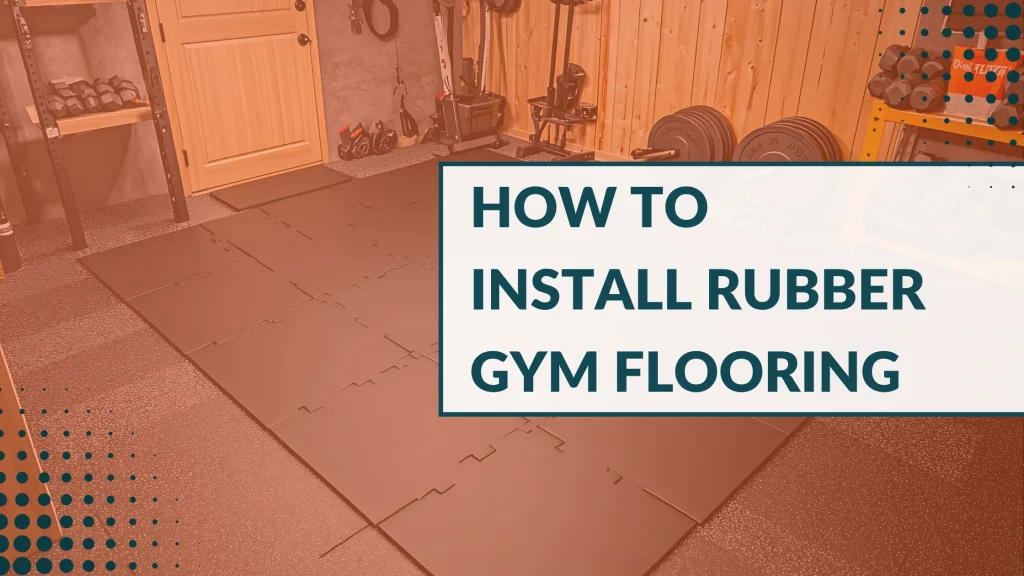

Installing gym flooring at home is a smart way to protect your space and improve workout performance. Understanding how to install rubber gym flooring ensures durability, safety, and long-term value. Whether you are setting up a home gym or upgrading a commercial space, proper installation helps prevent shifting, damage, and uneven surfaces. This guide walks you through tools, steps, and expert tips to get the job done right.
Quick Highlights:
- Rubber gym flooring is durable and long-lasting
- Provides excellent shock absorption for workouts
- Suitable for both home and commercial gym setups
- Proper installation requires the right tools and preparation
- Surface leveling is essential for the best results
- Rubber tiles are ideal for DIY installation projects
- Rubber rolls offer a seamless, professional finish
- Flooring thickness should match your workout intensity
- Material choice depends on the type of equipment used
Tools and Materials Needed
Having the right tools and materials is essential before starting installation. Proper preparation helps you work efficiently and ensures a smooth, long-lasting finish.
Measuring Tape
A measuring tape helps you determine the exact dimensions of your space. Accurate measurements ensure you purchase the right amount of flooring material.
Utility Knife
A sharp utility knife is used to cut rubber tiles or rolls to fit your space. Clean and precise cuts ensure a professional appearance.
Straight Edge or Ruler
A straight edge helps guide your cuts for accuracy and consistency. This tool ensures clean edges, especially when trimming flooring around corners or obstacles. Proper alignment improves the overall look of your gym floor.
Adhesive or Double-Sided Tape
Depending on the installation method, you may need adhesive or tape to secure the flooring. Adhesives provide a permanent solution, while tape allows easier removal later. Choosing the right option depends on your long-term needs.
Rubber Flooring (Tiles or Rolls)
Selecting high-quality rubber flooring is key to durability and performance. Tiles are easier to install and replace, while rolls create a seamless finish. The choice depends on your space and installation preference.
How to Install Rubber Gym Flooring Step by Step
Following a structured process ensures your flooring is installed correctly and performs well over time. Taking the time to do each step properly prevents issues later.
Prepare the Surface
Start by cleaning and leveling the floor where the rubber will be installed. Remove dust, debris, and moisture to ensure proper adhesion. A smooth and dry surface is essential for a stable and long-lasting installation.
Measure and Plan Layout
Measure the room and plan how the flooring will be arranged. Decide where cuts will be needed and how tiles or rolls will align. Planning reduces mistakes and ensures an efficient installation process.
Cut the Flooring to Size
Use a utility knife and straight edge to cut the rubber flooring as needed. Take your time to ensure precise cuts that fit tightly against walls or obstacles. Accurate cutting improves both appearance and functionality.
Install the Flooring
Lay down the tiles or rolls starting from one corner of the room. Work your way across, ensuring each piece fits snugly against the next.
Check Alignment and Finish
Once all pieces are installed, check for gaps or uneven areas. Adjust as needed to ensure a smooth and stable surface. A final inspection ensures your gym flooring is safe and ready for use.
Rubber Rolls vs Rubber Tiles Installation Differences
Understanding the difference between rubber rolls and tiles helps you choose the best option for your space. Each type has its own installation method and benefits.
Rubber Tiles
Rubber tiles are easier to install and ideal for DIY projects. They often come in interlocking designs, making assembly simple and quick.
Rubber Rolls
Rubber rolls provide a seamless and professional appearance. They require more effort to install due to their size and weight. Rolls are ideal for larger spaces where a smooth, continuous surface is preferred.
READ ALSO: Top Commercial Fitness Design Trends in 2026
How Long Does It Take to Install Rubber Gym Flooring
Rubber gym flooring installation typically takes 2 to 4 hours for a small home gym (10m²), up to 16 hours for larger spaces, and 1–3 days for commercial facilities. Installation time depends on whether you use interlocking mats (faster) or roll-out flooring requiring adhesive (slower), along with subfloor prep.
How to Choose the Right Rubber Gym Flooring for Your Workout
Selecting the right flooring depends on your workout type, equipment, and space requirements.
Consider Thickness
Thicker rubber flooring provides better shock absorption and is ideal for heavy lifting areas. Thinner options work well for light workouts or cardio equipment.
Evaluate Durability
High-quality rubber flooring is designed to withstand heavy use and impact. Durable materials last longer and require less maintenance over time.
Match Your Workout Style
Different workouts require different flooring types. Weightlifting areas need dense rubber, while yoga or stretching spaces benefit from softer surface.
Maintenance Tips After Installation
Clean Regularly
Keeping your rubber flooring clean helps maintain its appearance and performance. Regular sweeping and mopping prevent dirt buildup and extend the life of the material.
Avoid Harsh Chemicals
Using mild cleaning solutions protects the rubber from damage. Harsh chemicals can break down the material and reduce durability over time.
Inspect for Damage
Check your flooring periodically for wear or damage. Addressing small issues early prevents larger problems and maintains safety.
Prevent Heavy Impact Damage
Using protective mats under heavy equipment reduces stress on the flooring. This helps maintain its structure and prevents long-term damage.
READ ALSO: Step-by-Step Guide to Fitness Equipment Assembly
READ ALSO: Do Carpet Installers Move Furniture During Installation
Conclusion
Installing rubber gym flooring the right way ensures durability, safety, and long-term performance for your workout space. By using proper tools, preparing the surface, and following a structured installation process, you can achieve a stable and professional-looking result.
If you want a faster and more precise installation, consider working with a gym equipment installation to ensure your gym flooring is installed correctly, efficiently, and built to last.
Frequently Asked Questions
Can Rubber Gym Tiles Be Cut During Installation
Yes, rubber gym tiles can be cut using a sharp utility knife. Precise cutting allows you to fit the flooring around corners and edges. Taking your time ensures clean and accurate results.
Will Rubber Flooring Help Soundproof Your Gym
Rubber flooring helps reduce noise and vibration during workouts. It absorbs impact, making it ideal for home gyms in shared spaces. While it does not fully soundproof, it significantly improves noise control.
Do You Need Glue or Tape to Install Rubber Gym Flooring
Glue or tape is not always required, especially for interlocking tiles. However, adhesive provides extra stability for high-traffic areas.
What Is the Best Glue for Rubber Flooring to Concrete
Construction-grade adhesive designed for rubber flooring works best on concrete surfaces. It provides strong bonding and long-term durability.
Can Rubber Gym Flooring Be Removed After Installation
Yes, rubber flooring can be removed, especially if installed with tape or interlocking tiles. Adhesive installations may require more effort to remove.
How to Install Gym Mats on Hardwood Floors
Gym mats can be placed directly on hardwood floors without adhesive. Using non-slip pads helps keep them in place and prevents movement.
Installing Rubber Flooring Over Plywood
Rubber flooring can be installed over plywood if the surface is smooth and level. Proper preparation ensures stability and prevents uneven areas.
Installing Rubber Flooring Over Tile
Tile surfaces can support rubber flooring if they are clean and even. Filling grout lines may be necessary for a smooth finish. Proper preparation ensures a professional and long-lasting result
Can You Install Rubber Flooring Over Carpet
Installing rubber flooring over carpet is generally not recommended. Carpet creates an uneven surface that can cause instability and reduce durability. For best results, rubber flooring should be installed on a hard, flat surface.