



A wall-mounted TV instantly makes a room feel modern and organized until you notice the cords hanging down like a mess you cannot ignore. That is usually the moment people start searching for how to hide cords from mounted tv setups without tearing their walls apart or creating a bigger problem.The good news is that hiding TV cords is completely doable with the right approach and a little planning. Many homeowners who want a truly clean finish choose professional TV Wall Mounting support to make sure cords are hidden safely and neatly without damaging drywall or violating electrical rules.
The Real Reasons to Tame Those TV Wires
Why Visible Cords Ruin the Look
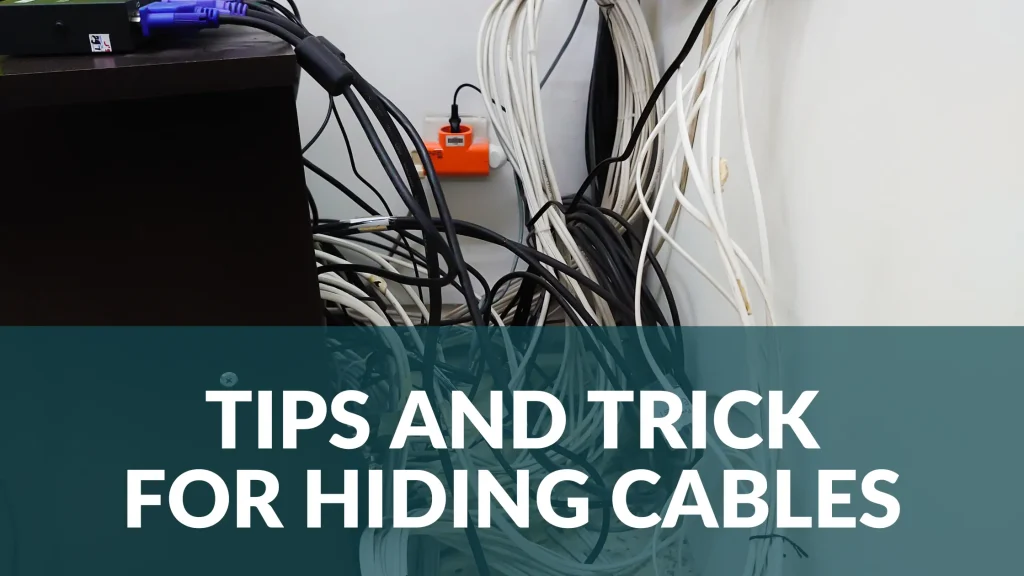
Exposed TV cords can instantly undermine an otherwise well-designed room. Even if your TV is perfectly centered and mounted at the ideal height, dangling wires draw the eye for all the wrong reasons. For many homeowners, visible cables make the entire setup feel unfinished.
Safety, Durability, and Long-Term Value
Beyond appearance, there are practical reasons to hide TV wires. Loose cables can be pulled accidentally, especially in homes with kids or pets. Over time, tension on cords can damage ports or loosen connections behind the TV. Dust buildup around cables and power strips is another common issue that often goes unnoticed.
Resale value is another overlooked factor. A wall-mounted TV with hidden cords looks intentional and professionally planned. Buyers tend to notice these details, and visible wires can make a space feel cluttered or poorly maintained. Hiding cords is a small upgrade that delivers a big visual payoff.
READ ALSO: Cost Expectations for TV Mounting in Today’s Market
Pre Project Checklist Before Tame Those TV Wires
Identify Your Cables
Before hiding anything, take a moment to identify what cords you’re working with. Most setups include a power cord, HDMI cables, and possibly audio or streaming device connections. Knowing exactly how many cables need to be managed helps you choose the right solution from the start.
Understand Your Wall Type
Wall material matters. Drywall allows for in-wall cable management, while brick or concrete walls usually require surface-mounted solutions like cord covers. It’s also important to locate nearby power outlets, since standard power cords cannot legally run inside walls without approved in-wall power kits.
Plan for Future Changes
Think ahead about accessibility. If you regularly swap devices or upgrade equipment, you’ll want a solution that allows easy access to cables. Planning for flexibility now helps you avoid opening walls or redoing work later.
How to Hiding Cords Inside Your Wall
Creating a Seamless Look
Hiding cords inside the wall delivers the cleanest, most professional-looking result—but it needs to be done correctly. This method uses in-wall cable management kits designed specifically for TV installations. These kits include pass-through plates that allow cables to run safely without touching insulation or framing.
Proper Routing and Safety
The process typically involves cutting two small openings in the drywall: one behind the TV and another near the outlet or media console below. Low-voltage cables such as HDMI and audio cords are fed through the wall cavity between these points. Power cords, however, must use approved in-wall power kits or connect to a recessed outlet to meet safety codes.
Because mistakes can lead to wall damage or electrical code violations, many homeowners choose professional TV wall mounting services to handle in-wall cord concealment safely and correctly.
READ ALSO: How to Mount a TV in an Apartment Safely
Tips and Trick for Hiding Cables
Simple Solutions Without Wall Cutting
If cutting into walls feels intimidating, there are effective alternatives that still look clean. Cord covers are one of the most popular options. These surface-mounted channels hide cables neatly and can be painted to match the wall, helping them blend in.
Creative Concealment Ideas
Routing cords behind furniture or using cable management boxes near media consoles can greatly reduce visible clutter. Wall-mounted shelves can also help hide devices and shorten the amount of exposed cable.
Rent-Friendly and Temporary Options
For renters or anyone looking for a non-permanent solution, adhesive cord clips and surface-mounted raceways work well. They keep cables organized without damaging walls. The best choice depends on your wall type, room layout, and how permanent you want the setup to be.
Conclusion
Learning how to hide cords from mounted TV setups goes beyond aesthetics. It’s about creating a space that feels calm, intentional, and comfortable to live in. Whether you choose an in-wall system or a surface-mounted solution, careful planning and proper installation make all the difference.
For homeowners who want a clean result without stress or trial and error, professional TV Wall Mounting support can help achieve a polished setup that looks great from every angle. Hidden cords allow your TV to stand out, your room to feel finished, and your space to finally match the vision you had in mind.
