


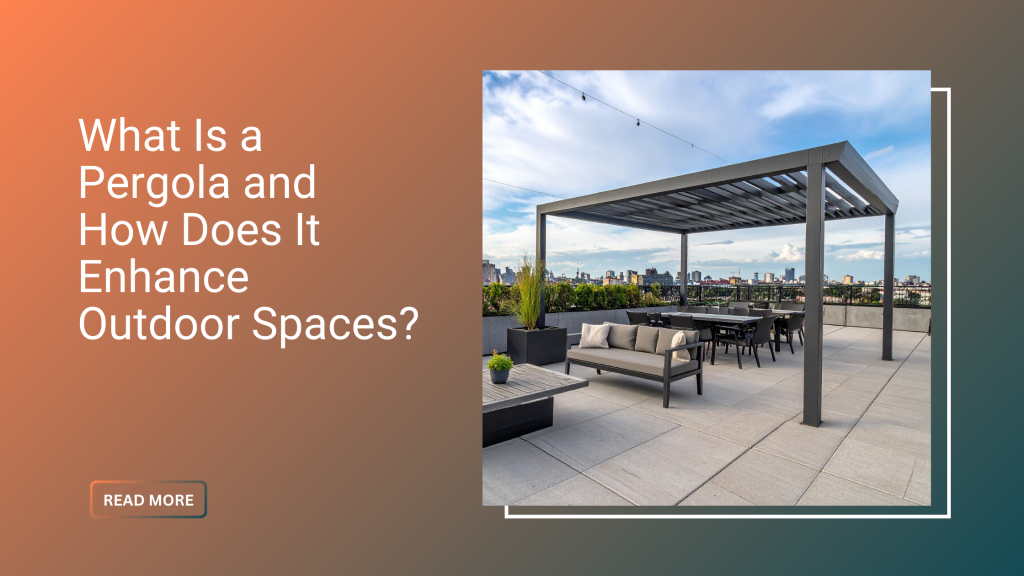

Outdoor spaces are meant to be enjoyed, and nothing transforms a backyard like a pergola. Many homeowners ask what is a pergola when considering ways to add shade, style, and functionality to their yards. A pergola provides a perfect balance of sunlight and shade, creating a cozy spot for relaxing, dining, or entertaining guests.For homeowners who want a stress-free setup, using a professional Pergola Assembly service ensures proper construction, stability, and longevity.
What is a Pergola
A pergola is an outdoor structure consisting of vertical posts that support crossbeams and an open lattice. It provides partial shade while maintaining airflow, making it perfect for patios, gardens, or poolside areas. Unlike fully enclosed structures, pergolas are designed to blend with the landscape, adding charm without blocking natural light.
What’s the Difference Between Pergola vs. Gazebo
Roof Design and Coverage
One of the biggest differences between a pergola and a gazebo is the roof. Gazebos typically feature a solid, fully covered roof that blocks out rain and harsh sunlight. This makes them a great option if you want dependable shelter in all kinds of weather.
Openness and Airflow
Pergolas are designed with an open or slatted roof, allowing sunlight and fresh air to pass through. Instead of completely closing off the space, they create a lighter, more open feel that blends naturally with the outdoors.
How Each Structure Is Commonly Used
Because gazebos offer full coverage, they are often used as standalone outdoor rooms for dining or lounging. Pergolas are more about atmosphere, making them perfect for patios, garden walkways, or shaded seating areas where you still want to feel connected to nature.
Popular Pergola Styles and Designs
Traditional and Modern Pergola Designs
Pergolas range from classic wooden styles with a timeless feel to sleek metal designs that suit modern outdoor spaces. Each option creates a distinct look and atmosphere.
Functional Features and Custom Options
Some pergolas include retractable canopies for adjustable shade, while others support climbing plants for a more natural, garden-style appearance.
Layouts That Fit Any Backyard
Freestanding, corner, and attached pergolas work well for different yard sizes and layouts, offering flexibility in design and placement.
Choosing the Right Style for Your Space
The ideal pergola depends on your budget, personal style, and how you plan to use the space. Their versatility allows them to complement almost any backyard theme
Why Add a Pergola to Your Backyard?
Adding a pergola enhances both the look and function of your outdoor space. It creates a shaded area for relaxation, outdoor dining, or entertaining, while also increasing the overall appeal of your home. Pergolas can highlight landscaping, frame garden views, and even provide a space for climbing plants or hanging lights. Beyond aesthetics, pergolas offer practical benefits. They protect outdoor furniture from direct sun, provide privacy from neighbors, and can even increase property value. With these advantages, investing in a pergola is both functional and visually rewarding.
How to Install a Pergola?
Planning the Location and Layout
Installing a pergola begins with choosing the right spot in your yard. Measure the area carefully to make sure the structure fits comfortably and aligns with nearby features like patios or walkways. Good planning at this stage prevents layout issues later.
Preparing the Ground and Securing the Posts
A stable foundation is essential for a long-lasting pergola. Posts must be anchored securely, either in concrete or with heavy-duty mounting brackets, to prevent shifting or leaning over time. Proper ground preparation helps the structure stand up to weather and regular use.
Assembling the Beams and Overhead Structure
Once the posts are in place, the crossbeams and lattice are attached according to the design plan. This step requires accurate measurements and careful alignment to keep the pergola level and visually balanced.
Why Professional Installation Matters
Pergola installation involves heavy materials and precise construction. Many homeowners choose professional services to ensure safety, durability, and a clean finished look. A professionally installed pergola not only looks better but is built to last for years.
Essential Tips for Decorating and Maintaining Your Pergola
Decorating the Pergola
Once your pergola is installed, decorating it is part of the fun. Consider adding climbing plants, string lights, or outdoor curtains to create a comfortable and stylish space.
Maintenance according to the material
Regular maintenance is important to keep your pergola looking its best. Wooden pergolas should be treated with sealant to protect against moisture, while metal structures may require rust prevention and occasional cleaning. Keeping up with maintenance ensures your pergola remains sturdy, safe, and visually appealing. Simple upkeep and thoughtful decoration transform a pergola from a structural addition into a welcoming outdoor retreat.
Professional Assembly
Many people also rely on experts for Pergola Assembly to avoid the hassle of complex instructions, heavy lifting, and precise alignment. Professionals handle every detail, from anchoring the posts to securing the overhead beams, making sure your pergola is sturdy and built to last.
