Installing a curtain rod might seem simple at first, but the reality is it can get tricky depending on the type of wall you have. Whether it’s wood, drywall, or concrete, each surface requires a slightly different approach to ensure your curtains hang securely and look great. If you’d rather skip the hassle, you can Get professional curtain rod installation today and let experts handle it safely and efficiently.
For many homeowners searching for tips on installing curtain rods or figuring out how to install a curtain rod, understanding the basics makes the process easier and ensures your curtains stay put for years.
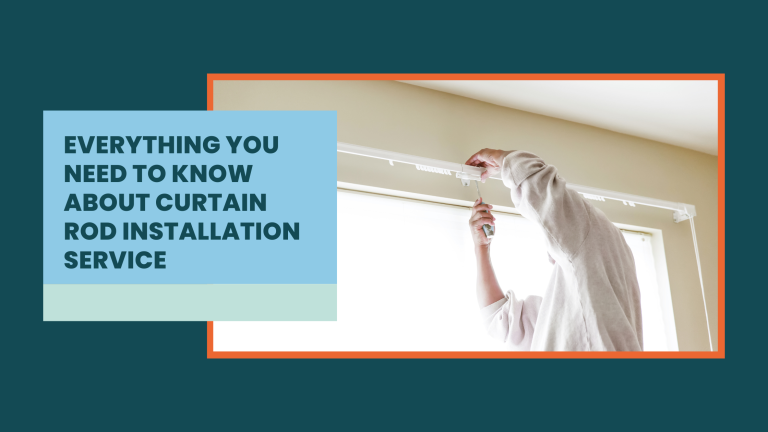
READ ALSO: Everything You Need to Know About Curtain Rod Installation Service
Tools You’ll Need
Before diving in, make sure you have the right tools. Most curtain rod installations require a drill, level, measuring tape, pencil, screws, wall anchors, and brackets. The exact type of drill bit and anchors depends on your wall type. Having everything ready ahead of time saves frustration and keeps the installation smooth.
How to Installing Curtain Rods Properly
Measure Before You Drill
Accurate measurements are the foundation of a clean installation. Measure both the width and height of your window, and plan to mount the rod about four to six inches above the frame to create a more elevated look. Extending the rod beyond each side also allows curtains to open fully and improves natural light flow.
Choose the Right Curtain Rod
The right rod depends on the weight and style of your curtains. Lightweight fabrics work well with slimmer rods, while heavier materials require thicker, more durable options to prevent sagging. Choosing the correct type ensures both functionality and long-term stability.
Choose the Right Hardware
Your wall type determines the hardware you need for a secure installation. Drywall requires anchors to hold screws firmly, while concrete or brick needs specialized tools and drill bits. Using the correct hardware prevents the rod from loosening or damaging your wall over time.
Mark Bracket Positions Accurately
Mark your bracket positions carefully before drilling to ensure proper alignment. Brackets should typically sit four to six inches above the window frame and extend wider than the frame on both sides for a balanced look. If possible, secure at least one bracket into a wall stud for added strength.
Level and Secure the Brackets
Use a level tool to make sure both brackets are aligned evenly before drilling pilot holes. For drywall surfaces, install anchors before securing the screws to keep everything firmly in place. Taking time on this step helps avoid uneven curtains and ensures long-term durability.
Install the Rod and Curtain Hardware
Once the brackets are secure, slide the curtain rod into position. If you are using rings or clip systems, attach the curtains beforehand to avoid unnecessary strain on the fabric. Tighten any screws or end caps to lock the setup securely.
Hang and Adjust Your Curtains
Spread the curtains evenly and adjust them so they fall naturally and symmetrically. The fabric should lightly touch or hover just above the floor for a clean, finished appearance. Small adjustments at this stage can significantly improve the overall look of your space.
Installing Curtain Rods on Wood
Wood walls are the easiest to work with because they can hold screws directly without additional anchors. Here’s a step-by-step guide: Measure the width of your window and mark where you want the brackets. Make sure they are level to avoid crooked curtains. Pre-drill holes in the wood to prevent splitting. Screw the brackets directly into the pre-drilled holes. Attach the curtain rod and hang your curtains.
Wood is forgiving and strong, making it perfect for heavier curtains or decorative rods. Even so, if you’re unsure about spacing or alignment, you can Get professional curtain rod installation today to make sure everything is precise.
Installing Curtain Rods on Drywall
Drywall is trickier because screws alone won’t hold up, especially for heavier curtains. You’ll need wall anchors to secure the brackets properly. To do it that way, first you need to mark where you want the brackets, making sure they are level. Drill pilot holes and insert wall anchors. Plastic or metal anchors work well depending on the curtain weight. Screw the brackets into the anchors. Place the curtain rod on the brackets and hang your curtains.
For very heavy curtains or long rods, finding studs behind the drywall provides extra support. A curtain rod installation service can locate studs and use the right anchors for a secure setup.
READ ALSO: How to Install Drywall Properly Without Cracks or Gaps
READ ALSO: How to Installing a TV on Drywall
Installing Curtain Rods on Concrete
Concrete walls are the toughest to work with because you need masonry tools and anchors. Here’s a simple method; Measure and mark bracket locations, ensuring they are level. Use a masonry drill bit to drill holes into the concrete. Insert concrete anchors or wall plugs into the holes. Screw the brackets into the anchors and attach your curtain rod.
Concrete installations are more labor-intensive and require precision. Hiring a professional ensures your rod is stable and the wall remains undamaged. You can get professional curtain rod installation today and avoid common DIY pitfalls.
READ ALSO: TV Wall Mounting in 2026: What You Need to Know Before You Drill
Tips for Perfect Alignment
No matter your wall type, a few tricks help your curtain rod look perfect: Always use a level to avoid slanted curtains. Measure twice and mark carefully before drilling. For wide windows, consider a center support bracket to prevent sagging. Double-check that brackets are securely fastened before hanging the rod. These small steps make a big difference in the final look of your curtains.
Choosing the Right Curtain Rod
Curtain rods come in different materials, diameters, and designs. Heavier rods require stronger brackets and proper anchors. For lighter curtains, decorative rods may be fine with basic wall anchors. A professional can recommend the best rod and bracket combination based on your wall type and curtain weight.
Safety Precautions
Drilling into walls, especially concrete, can be dangerous if you’re not careful. Always wear safety glasses and follow proper procedures. Avoid drilling near electrical wires or plumbing. Professionals know how to handle these risks, making curtain rod installation much safer and stress-free.
Benefits of Professional Installation
Even if you enjoy DIY projects, hiring a professional for installing curtain rods has its perks. They ensure: Proper alignment and leveling. Correct use of anchors for your wall type. Minimal wall damage. Faster and hassle-free setup
This saves time and guarantees a polished, professional look.
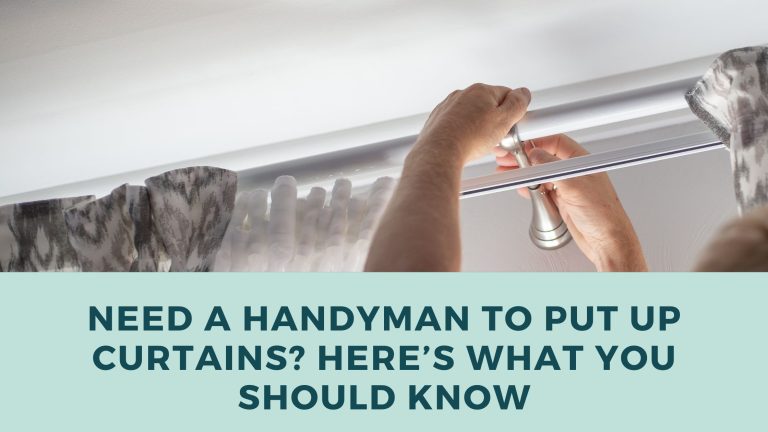
READ ALSO: Here’s What You Should Know about a Handyman to Put Up Curtains
Maintenance and Adjustments
Once your curtain rod is installed, check periodically that screws remain tight, especially on drywall or heavy curtains. If you notice sagging or loose brackets, tighten screws or consult a professional for adjustments. Properly installed rods can last for years with minimal maintenance.
Conclusion
Installing a curtain rod may seem like a simple task, but the details make all the difference. From precise measurements to choosing the right hardware, each step plays a role in creating a clean, balanced, and long-lasting result.
By following the right process and avoiding common mistakes, you can achieve a professional finish without unnecessary frustration. And for more complex setups or heavier materials, working with an expert can help ensure everything is secure, level, and visually polished.
Frequently Asked Questions
Do curtain rods have to go into studs?
Not always. While securing at least one bracket into a stud is ideal for heavier curtains, drywall anchors can provide enough support for lighter rods. Using the right anchors ensures stability without damaging your walls.
Where to put curtain rod brackets?
Brackets should be installed about 4 to 6 inches above the window frame and extended past the frame by several inches on each side. This placement allows curtains to fully cover the window while creating a balanced look.
How far above the window do you hang a curtain rod?
Most designers recommend 4 to 6 inches above the window frame, but taller ceilings or dramatic window treatments may require a higher placement to create an impression of height and space.