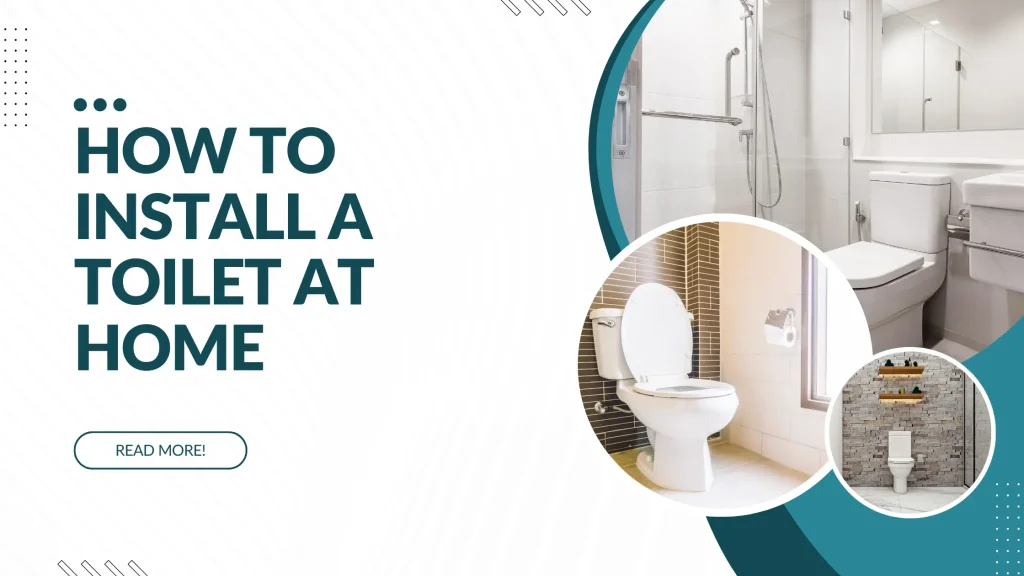

Installing or replacing a toilet may sound like a big deal, but it is something many homeowners end up dealing with later or sooner. From outdated fixtures to bathroom renovation, learning how to install a toilet will help you to understand what the input should be and what to expect. Proper installation of a toilet helps prevent odors, water damage, and unexpected plumbing issues. Many people choose to install a toilet through specialized services so they do not have to worry about poor sealing, cracked porcelain, or abrupt connections.
READ ALSO: Installing a Bathtub Faucet? Here’s the Right Way to Do It
What You Need to Know Before You Start
Before starting a toilet installation, it is important to understand that this is not just about placing a bowl on the floor. Toilets rely on proper alignment with the drain, a secure wax seal, and stable mounting to function correctly. Even a small mistake can lead to slow leaks that go unnoticed until major damage appears. You should also know that toilets are heavy and awkward to handle. Lifting and positioning the bowl incorrectly can crack the base or strain your back. Measuring the rough in distance, checking the flange condition, and ensuring the water supply is accessible are all steps that matter more than most people realize.
How to Prepare for the New Toilet Installation
Removing Old Toilet
Preparation plays a huge role in whether the installation goes smoothly. The old toilet must be removed carefully, making sure the water supply is shut off and the remaining water is drained from the tank and bowl.
Inspection of Flange
The flange should be inspected for damage or corrosion, since this part connects the toilet to the drain pipe.
Even Floor
The floor should be clean and level before placing the new toilet. Uneven surfaces can cause rocking, which leads to seal failure over time.
Primed and well-equipped
Having everything ready before placing the toilet makes the process much easier and prevents unnecessary adjustments later.
Installing the New Toilet Bowl
Positioning the Wax Ring or Gasket
Place the wax ring or sealing gasket carefully on the flange. Proper positioning prevents leaks and ensures a secure seal between the toilet and the drain.
Lowering the Toilet Bowl
Lower the toilet bowl straight onto the flange without twisting or sliding. Avoid side-to-side movement to protect the wax ring and maintain a proper seal.
Securing the Toilet to the Floor
Use the floor bolts to anchor the toilet evenly. Tighten them gradually and evenly to avoid cracking the porcelain.
Checking for Stability
After securing the bolts, check that the toilet is stable and does not wobble. Stability at this stage prevents leaks and ensures long-term reliability.
READ ALSO: How Long Should a Kitchen Faucet Really Last?
READ ALSO: How to Install Shower Taps Correctly
Attaching the Toilet Tank
Connecting the Tank to the Bowl
Secure the tank by attaching bolts, seals, and gaskets to prevent leaks between the tank and bowl. Ensure the tank sits level and firm without any wobbling.
Attaching the Water Supply Line
Connect the water supply line to the tank carefully. This prepares the system for filling and allows you to monitor water flow.
Checking for Leaks
Fill the tank with water and observe for any drips or leaks. Catching leaks at this stage is easier and prevents future problems.
Ensuring a Stable Installation
Double-check that all connections are tight and the tank is level. Proper alignment guarantees smooth operation and long-term reliability.
Making the Final Connections
Testing the Flush and Water Flow
After securing the toilet, test the flush to ensure proper water flow and performance. Check that water fills the tank efficiently and refills without delays.
Sealing the Base
Apply caulk around the base of the toilet to prevent moisture from seeping underneath and to give a clean, finished appearance.
Installing and Adjusting the Toilet Seat
Attach the toilet seat last, making sure it is aligned and comfortable. Adjust as needed for proper fit and ease of use.
Final Performance Check
Confirm that the toilet operates smoothly without leaks, strange noises, or slow refilling. Inspect all connections one last time to ensure stability.
What are the Tips to Install a Toilet
Toilet Type
Choose the right toilet type, low flow, dual-flight, or standard, and size for your space.
Correct measurements
Measure toilet and the area carefully to ensure a proper fit.
Water Supply and Drainage
Make sure to turn off the water supply while installing and the water supply should be according to the fixture. Ensure proper venting and drainage.
Experts Guide
Follow manufactures guide and it is better to hire professionals.
Conclusion
Installing a toilet is not just about convenience. It affects hygiene, comfort, and long term plumbing health. While many homeowners want to learn how to install a toilet, the process requires precision, patience, and physical effort. Professional installation ensures peace of mind and reliable performance from day one. Choosing expert to install a toilet can prevent costly mistakes and save time, especially when dealing with heavy fixtures or older plumbing systems. Whether upgrading or replacing an old toilet, doing it right the first time always pays off.
FAQs about Installing a Toilet
Can you put in a new toilet yourself?
Yes, it is possible if you have basic plumbing knowledge and the right tools. However, mistakes with sealing or alignment can lead to leaks and floor damage, which is why many homeowners choose professional installation.
What is a fair price to install a toilet?
Pricing depends on location, complexity, and whether additional repairs are needed. Professional installation usually costs more upfront but helps avoid expensive repairs later.
How much should you spend on a toilet?
Toilets come in a wide price range based on design, flushing technology, and comfort features. Spending a bit more on quality often means better durability and fewer issues over time.