Mounting your TV on the wall is a sleek, space-saving solution that instantly elevates your home’s look. But before you start drilling, there’s one crucial question to ask: Which wall should I mount it on? It might seem like a simple choice, but selecting the right wall affects everything—from viewing comfort to safety and durability. This guide will walk you through how to choose the best wall for TV mounting, ensure a secure TV mounting, and know when it’s time to call in the pros.
Which Walls Are Best for Mounting a TV?
Drywall with Wooden Studs
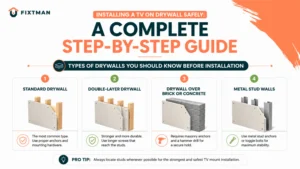
Let’s start with the most common wall type: drywall over wooden studs. This is the classic setup in houses and many apartments. Drywall itself is basically chalky plaster sandwiched between paper it’s not strong on its own. But behind it, wooden studs run vertically and give the wall its strength. When you attach a TV mount directly into those studs, you’re good to go.
People sometimes ask, can you mount a tv in an apartment if the walls are drywall? Yes, as long as you hit the studs. The key is using a stud finder to make sure your screws go into wood and not just drywall. If you only use drywall anchors, the weight of the TV could eventually rip it right out of the wall. Nobody wants to hear that crash in the middle of the night.
READ ALSO: Installing a TV on Drywall Safely
Drywall with Metal Studs
Some apartments, especially newer ones, might use metal studs instead of wood. These are lighter and cheaper for builders, but they’re trickier when it comes to mounting heavy stuff. You can still wall mount tv in an apartment with metal studs, but you’ll need special anchors made for metal. Even then, it might not feel as sturdy as wood studs.
If you’re unsure about drilling into metal studs, an apartment friendly tv mount that spreads out the weight or uses a mounting plate can help. Or you can call in pros who know all the tricks for mounting to metal.
Concrete Walls
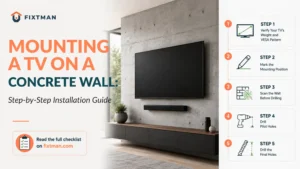
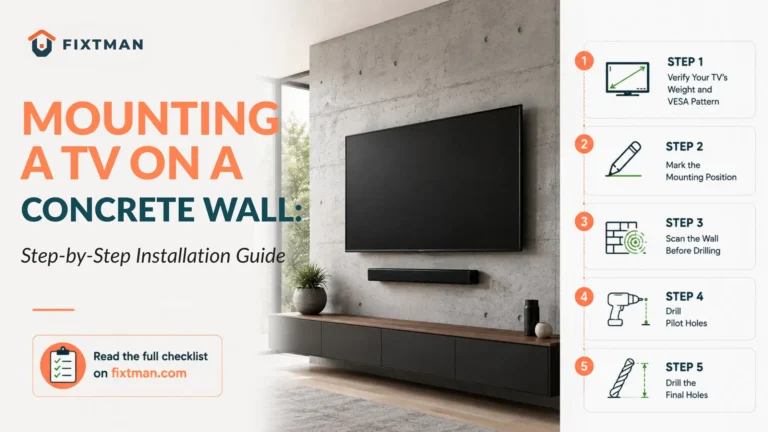
Concrete is rock solid, literally. If your apartment has poured concrete or cinder block walls, those can handle a TV mount easily. The challenge here is drilling into concrete. You’ll need a hammer drill and masonry bits, plus anchors designed for concrete. Once it’s in, though, your TV isn’t going anywhere.
Concrete walls are common in basements, older buildings, or high-rise apartments. So if you’ve wondered, can you mount TVs in apartments that have concrete walls, the answer is yes, and it’s actually one of the safest wall types for heavy mounts.
Brick Walls
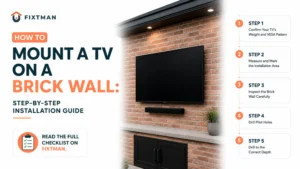
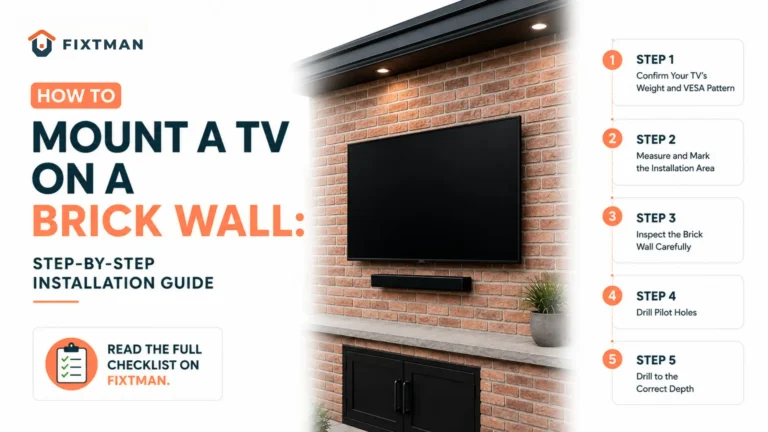
Brick walls look great, especially in lofts or converted warehouses, but mounting into them can be a little bit tricky. Bricks are strong, but the mortar between them is weak. That means you need to drill into the actual brick, not the mortar lines. Just like with concrete, you’ll need a hammer drill and proper anchors.
A rent-friendly TV mount might not be ideal here unless you’re allowed to drill, but when done correctly, brick can safely hold even large TVs.
Plaster Walls
If you’re in an older apartment or house, you might have plaster walls instead of drywall. Plaster is harder and more brittle, which makes it prone to cracking. Mounting a TV into plaster can be done, but you need to be extra careful. You’ll still want to find studs behind the plaster to secure the mount.
For renters wondering, can you wall mount a tv in an apartment with plaster walls, it really depends on how strict your landlord is. Plaster can chip and leave bigger holes than drywall, so it’s not always the most rental-friendly option.
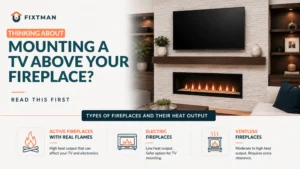
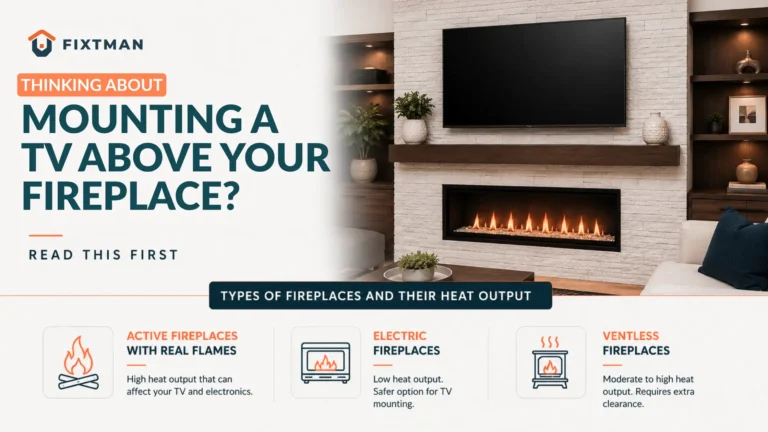
READ ALSO: Is It Safe to Mount a TV Above a Fireplace?
Landlord-Friendly Alternatives
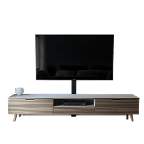
If your lease says no drilling, a rent friendly tv mount might save the day. These come in different styles, like TV stands with mount poles that hold the screen at the perfect height. Some mounts even attach to existing furniture instead of the wall.
So when you ask, do apartments let you mount tvs, the answer might be no, but that doesn’t mean you’re stuck. Creative, non-drilling mounts let you set up your TV without risking your security deposit.
READ ALSO: How to Install Drywall Properly Without Cracks or Gaps
Safety Tips Before Installation
A secure TV mounting setup begins with preparation. Here are some essential safety steps to follow before you drill that first hole.
1. Check the Wall’s Structure
Use a stud finder or tap test to determine what’s behind your wall. If you can’t locate a stud or solid anchor point, your wall may not support the weight. Never try to mount a TV using drywall anchors alone—they’re not designed for heavy loads like TVs.
2. Know Your TV’s Specs
Before installation, check your TV’s weight and VESA pattern (that’s the distance between the mounting holes on the back). Match it to a compatible mount to avoid instability. If your mount isn’t rated for your TV’s size or weight, it could cause serious damage.
3. Use the Right Hardware
Your mount should come with bolts and wall anchors designed for various wall types. Use only the ones specified for your wall. Swapping out screws or using cheaper materials could jeopardize the entire setup.
4. Keep Cables in Mind
Plan ahead for cable management. You don’t want your sleek setup ruined by a mess of dangling cords. If possible, run wires through the wall or use cable covers for a cleaner look. Be mindful of nearby electrical wires—accidentally drilling into one is dangerous.
5. Get a Second Pair of Hands
Even lightweight TVs are awkward to lift and align alone. Always have someone assist you with holding the TV while you bolt it into place. A dropped screen is expensive to replace.
By following these TV installation tips, you’ll make sure your setup is safe, secure, and visually polished.
READ ALSO: Creative Ways to Arrange Wall Hangings
When to Hire a Pro
Let’s face it—not all of us are natural handypeople. If you’re unsure about the type of wall you’re working with or you don’t have the right tools, hiring a professional is a smart move.
1. Complex Wall Types
If your wall has metal studs, or it’s part of an older home with unpredictable internal framing, don’t take chances. A professional will know how to assess the structure and use the correct mounting hardware.
2. Heavy or Oversized TVs
For anything over 55 inches, hiring a pro might be a safer bet. Larger TVs are heavier and more awkward to install correctly, especially if you’re using an articulating mount or aiming for an extra-clean, wire-free setup.
3. Hidden Wiring or Home Theater Integration
If you want your cables hidden or plan to integrate your TV into a home entertainment system, a professional can make sure it’s done cleanly and to code. They’ll also help avoid interference with plumbing or electrical lines inside the wall.
4. Peace of Mind
Sometimes, it’s just worth it for the peace of mind. Knowing your TV is mounted securely and safely makes the viewing experience more enjoyable—and protects your investment in the long run.
Conclusion
Choosing the best wall for TV mounting isn’t just about convenience. It’s about safety, aesthetics, and long-term durability. Start by understanding your wall type, follow smart safety practices, and don’t hesitate to call a pro when needed.
With the right wall and tools, TV installation tips like using a stud finder, choosing proper mounting hardware, and organizing cables will go a long way in achieving a secure TV mounting that looks great and lasts for years.