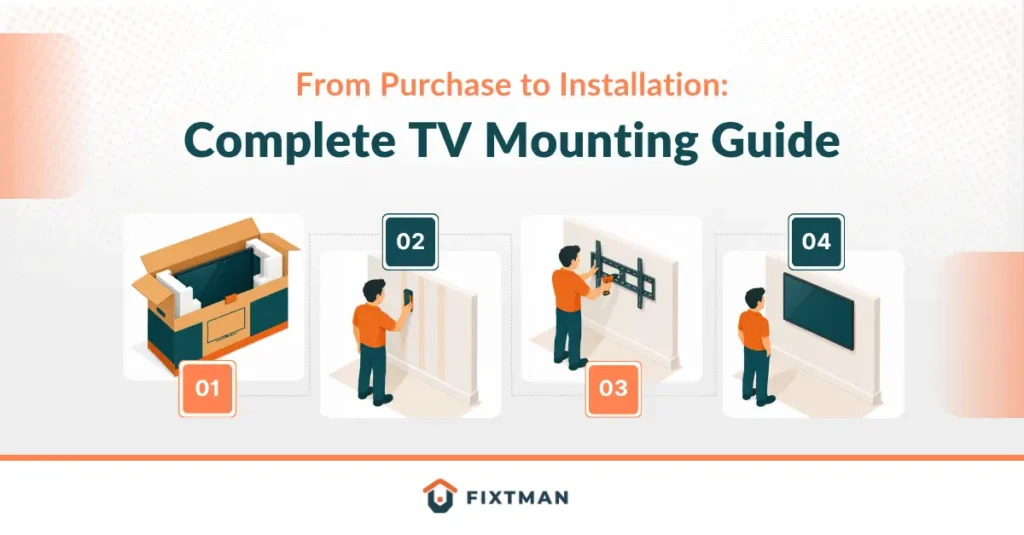

Mounting a TV on the wall can instantly improve your viewing experience and free up valuable space. However, choosing the right mount, finding the best location, and installing it safely can be challenging without the proper knowledge.
Whether you’re planning a DIY installation or considering professional help, understanding the process is key to achieving a secure and clean setup. In this guide, we’ll walk you through everything you need to know about wall mounting a TV, from selecting the right equipment to avoiding common installation mistakes, and more. Let’s break down everything in the content below.
Why You Need to Wall Mount a TV?
Save Space and Improve Room Design
A mounted TV frees up floor space and removes the need for bulky entertainment centers. The result is a cleaner and more modern appearance. Many homeowners choose wall mounting simply because it helps a room feel more organized.
Improve Safety
TV tip-overs can be dangerous, especially in homes with children or pets. Mounting a television securely on the wall helps reduce this risk and keeps the TV out of reach.
Create a Better Viewing Experience
Wall mounting allows you to position the TV at the ideal height for comfortable viewing. It can also reduce screen glare and improve visibility from different seating positions.
READ ALSO: Spring Home Theater Setup: Everything You Need to Know
Things to Consider Before Mounting a TV
Before starting installation, there are several factors that should be evaluated. Including:
TV Size and Weight
Every TV mount has a maximum weight capacity. Check both the size and weight of your television before purchasing a mount. Using an incompatible mount can create safety concerns.
Wall Type
Not every wall is the same. So, you need to think about the method and hardware for mounting your tv. Common wall types include:
- Drywall with wood studs
- Concrete walls
- Brick walls
- Plaster walls
READ ALSO: How to Mount Your TV on Different Wall Types: Drywall, Brick, and Concrete
Viewing Distance
The distance between your seating area and the TV affects viewing comfort. Larger TVs generally require more viewing distance, while smaller TVs can be placed closer to the seating area.
Power Outlets and Cable Placement
Think about where power outlets and connected devices are located. Planning cable routes before installation can help create a cleaner setup and avoid visible wires.
How to Mount a TV on the Wall
Choosing the Right Spot
Before you even open the box, think about where your TV will go. Ideal placement depends on your room layout, viewing angles, and lighting. You want a spot that minimizes glare and gives everyone in the room a good view. Measuring your wall space ensures your TV fits comfortably without feeling cramped.
Height is also important. Most people mount their TV around eye level when seated to help create a more comfortable viewing experience. If you’re unsure how high to mount a TV, checking the recommended viewing height before drilling can help you avoid having to reposition the TV later.
Selecting the Right Mount
There are several types of mounts: fixed, tilting, and full-motion. Fixed mounts hold the TV flush against the wall. Tilting mounts let you angle the screen slightly, which can help reduce glare. Full-motion mounts allow you to pull the TV away from the wall and swivel it for the perfect viewing angle.
Preparing Your Wall
Different walls require different hardware. Drywall, brick, and concrete each need specific anchors to hold your TV safely. Before you drill, make sure you locate studs if you’re mounting on drywall: they provide the support your TV needs. Measuring and marking where the mount will go is crucial to avoid mistakes.
If your wall has studs in odd spots or if you want a cleaner setup with hidden cables, a TV mounting service can handle it expertly. They ensure the mount is level, secure, and ready for your TV.
Cable Management
Nothing ruins a sleek wall-mounted setup like messy cables. Plan how your HDMI, power, and other cords will run. Some mounts have built-in cable channels, or you can use wall conduits to hide wires. Professional installers are great at making everything look neat and organized, giving your entertainment area a polished finish.
Installing the Mount
Installing the mount requires accuracy. Even a small mistake can make your TV tilt or put stress on the wall. Use a level to make sure everything is straight, and double-check your hardware. This is where many homeowners choose to call a TV mounting service to avoid mistakes that could damage both the wall and the TV.
Once the mount is securely installed, it’s time to attach the TV. Most brackets have safety locks or screws that hold the TV in place, ensuring it won’t shift or fall.
Safety Tips
Safety is crucial when mounting TVs. Make sure the mount is rated for your TV’s weight, and always follow manufacturer instructions. Avoid mounting heavy TVs on walls that can’t support them, and don’t attempt complex full-motion installations without proper tools or experience. If in doubt, Book TV wall‑mounting service to guarantee safety and peace of mind.
Final Adjustments
After the TV is mounted, adjust the angle if your mount allows it. Make sure it’s at a comfortable viewing height and check that all cables are connected properly. Test the TV and any sound systems to ensure everything works as expected. A professional can also help with calibration, giving you the best picture quality possible.
READ ALSO: Cost Expectations for TV Mounting in Today’s Market
Tips for Mounting a TV Guide for Beginners
Pick the Right Spot Before Drilling
Take time to find the best viewing location before making any holes. Consider seating position, glare from windows, and nearby power outlets.
Make Sure Your Wall Can Support the TV
Different wall types require different mounting methods. Drywall should be mounted into studs, while concrete and brick need specialized anchors.
Choose a TV Mount That Fits Your Needs
Fixed, tilting, and full-motion mounts each offer different benefits. The best option depends on your room layout and viewing preferences.
Double-Check Your Measurements
A TV mounted too high or too low can become uncomfortable to watch. Measure carefully before installation to avoid unnecessary adjustments.
Test the Mount Before Letting Go
Once the TV is attached, check that all screws are secure and the mount is level. A few extra minutes of testing can prevent costly accidents.
Benefits of Hiring Professionals for TV Wall Mounting
While it’s tempting to mount the TV yourself, hiring a professional comes with multiple benefits. You save time, reduce stress, and avoid the risk of damaging your expensive electronics. Professionals also provide tips on maintenance, cable management, and optimal placement. For many, this investment is well worth it for convenience and peace of mind.
Conclusion
A successful TV installation comes down to proper planning, the right equipment, and safe mounting techniques. Whether you’re installing a TV in your living room, bedroom, or home theater, taking the time to do it correctly can improve both the appearance of your space and your viewing experience. If you’d rather skip the hassle and ensure the job is done right, Fixtman’s TV wall mounting service provides professional installation, secure mounting, and a clean finish that lets you enjoy your TV with confidence.